
Health and Medicine
Explore Health and Medicine
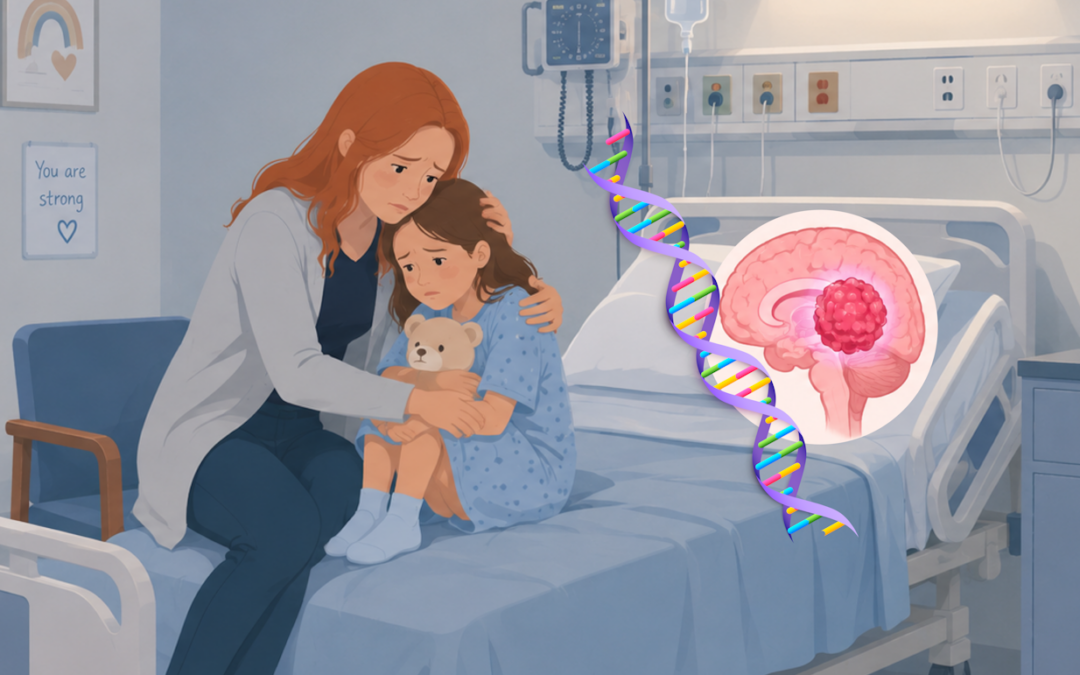
Professor Jonathan Finlay | Tackling One of the Rarest Childhood Cancers
Imagine a cancer so rare that most doctors will never see a single case in their entire career. Now imagine being the parent of a child diagnosed with it. This is the reality of choroid plexus carcinoma, or CPC – a malignant brain tumour that strikes predominantly in children under the age of four, and one that researchers are only now beginning to truly understand.

Dr Brent Iverson | Why a Key COVID-19 Antiviral Is Still Working After Years of Use
When antiviral drugs are widely used, resistance usually follows. Viruses mutate, treatments lose strength, and scientists scramble to adapt. That pattern has been seen with influenza, HIV, and many other infections. When the anti-viral drug Paxlovid was rolled out globally to treat COVID-19, many experts expected that the virus would eventually evolve ways to evade it. But several years on, meaningful resistance has not taken hold. In two closely connected studies, Dr Brent Iverson and colleagues set out to understand why. Their findings suggest that the virus may be more constrained than many had assumed – and that those constraints are helping Paxlovid remain effective.

Dr. Jamie Rausch | Exploring How Fat Tissue Shapes Health Across a Lifetime
For decades, fat tissue was treated as little more than the body’s storage cupboard – a place where excess calories were tucked away for later use. But research from Dr. Jamie Rausch, Assistant Professor of Nursing at Indiana University, is helping to overturn that simplistic view. Fat, or adipose tissue, is now understood to be one of the body’s most active and influential biological systems, constantly sending chemical signals that shape metabolism, inflammation, and long-term health.

Dr Lidia-Maria Mondoc | Revealing the Hidden Link Between Anemia and Blood Cancer Survival Rates
A simple, inexpensive blood test taken at the moment of diagnosis could help predict how long a patient with blood cancer will survive – and potentially open the door to treatments that improve their chances. That is one of the key findings from a study led by Dr Lidia-Maria Mondoc and her colleagues at Lucian Blaga University and the Sibiu County Emergency Clinical Hospital in Romania.
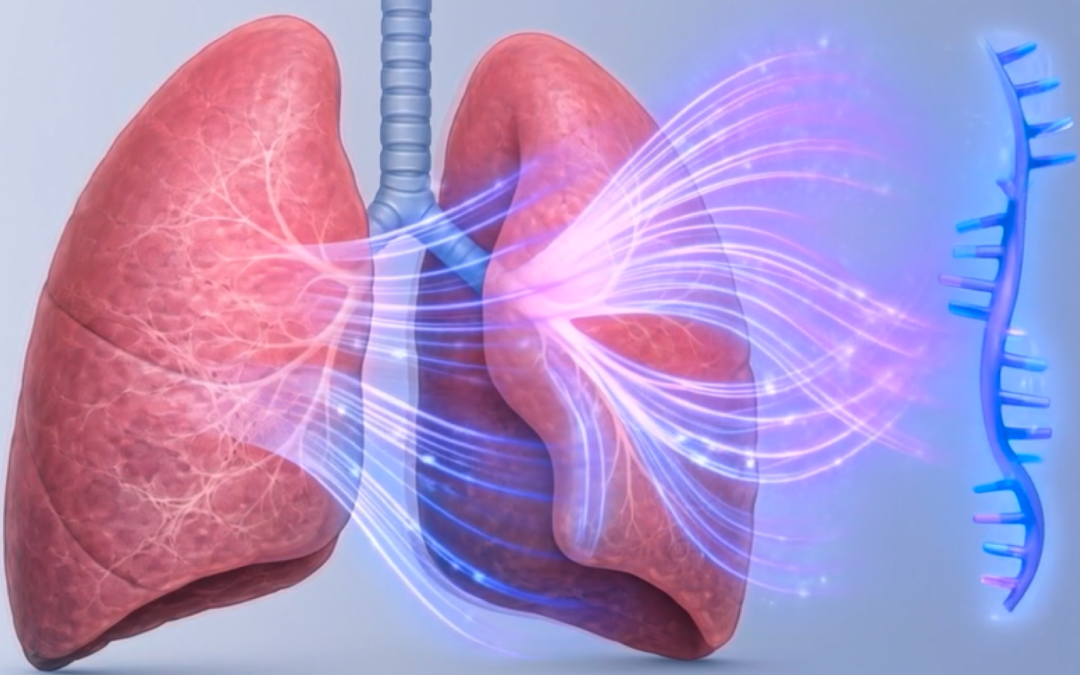
Prof. Christian Bär – Dr. Shambhabi Chatterjee | Rewinding the Clock on Lung Disease: A Potential New RNA Therapy for Pulmonary Fibrosis
Pulmonary fibrosis is a devastating disease in which lung tissue becomes scarred and stiff, making it harder to breathe. The outlook for patients remains poor, with many surviving only a few years after diagnosis. Current treatments can slow the damage, but they cannot reverse it. New research by the team of Prof. Christian Bär and Dr. Shambhabi Chatterjee of Hannover Medical School and their colleagues explore a promising alternative – one that works at the level of our cells’ biological ‘aging clock’.
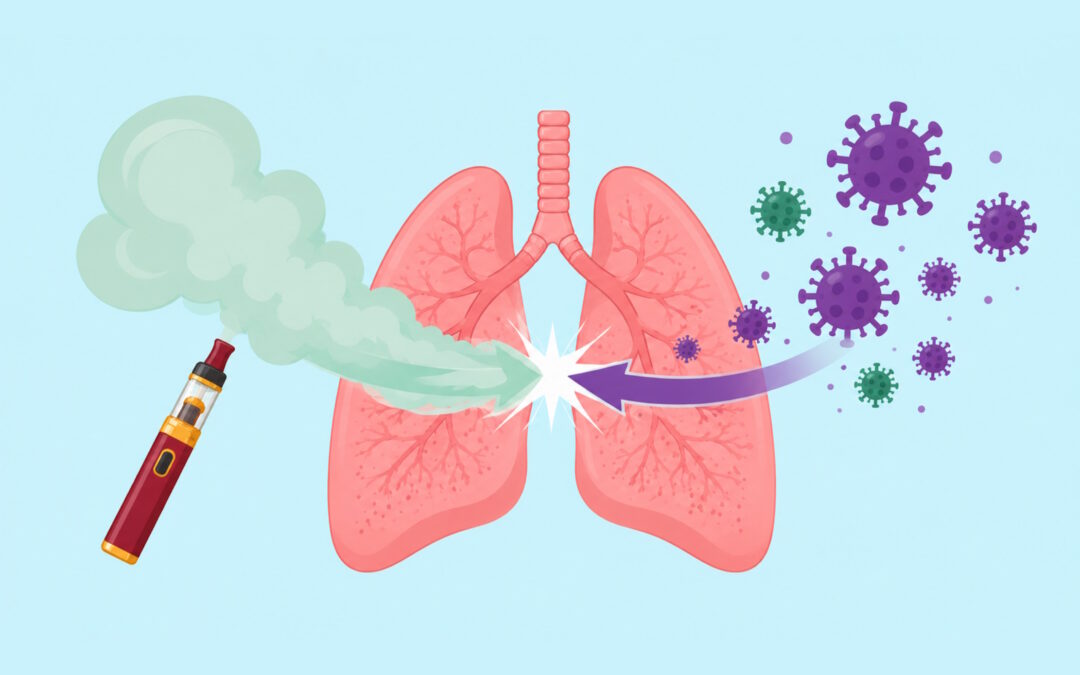
Rob Onyenwoke | How Vaping Can Make Your Lungs More Vulnerable to Infection
Electronic cigarettes have been marketed as a safer alternative to traditional tobacco, but a growing body of research is painting a more troubling picture. Two studies from North Carolina Central University, conducted by Rob Onyenwoke and colleagues, suggest that vaping doesn’t just harm the lungs on its own – it may also make them far more vulnerable when infection strikes.
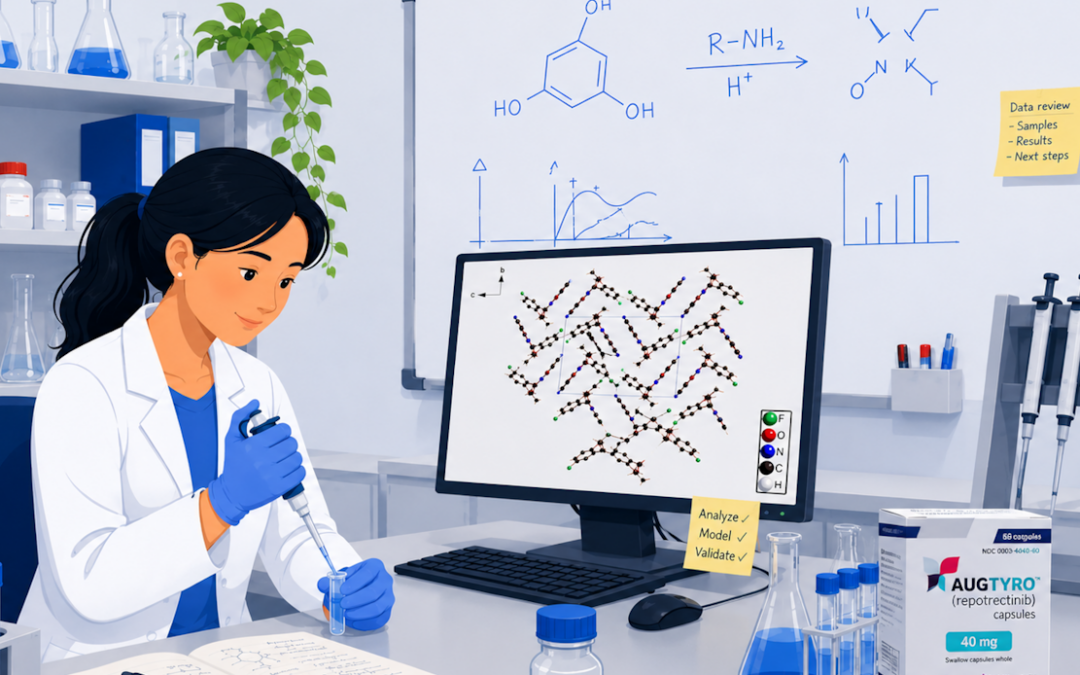
Dr James Kaduk | Mapping a Cancer Drug’s Structure Towards Better Drug Development
Repotrectinib, sold under the brand name Augtyro, is a targeted therapy approved for the treatment of advanced non-small cell lung cancer. Specifically, it blocks a mutated protein called ROS1, which in some patients drives uncontrolled cell growth. It is the kind of precision medicine that has transformed outcomes for certain cancer patients in recent years. Yet until now, the structure of the drug in its pure form had never been reported. That gap has been filled by Dr James Kaduk and colleagues at the International Centre for Diffraction Data.

Lena Queen | Why Supporting Healthcare Staff Is the Key to LGBTQIA+ Health Equity
When we talk about improving healthcare for LGBTQIA+ communities, the conversation usually focuses on policy, training, and access to services. But Mx. Lena Queen, a therapist and wellness educator with over 23 years of experience, argues that we are missing a critical piece of the puzzle: the emotional and mental wellbeing of the providers themselves. In their recent paper, Queen makes the case that healthcare providers cannot genuinely support LGBTQIA+ patients if they are burnt out, exhausted, or working within systems that ignore their own needs.
Dr. Xiaolei Zhu – Dr. Barbara Slusher | A New Approach to Depression Treatment Targets Brain Immune Cells
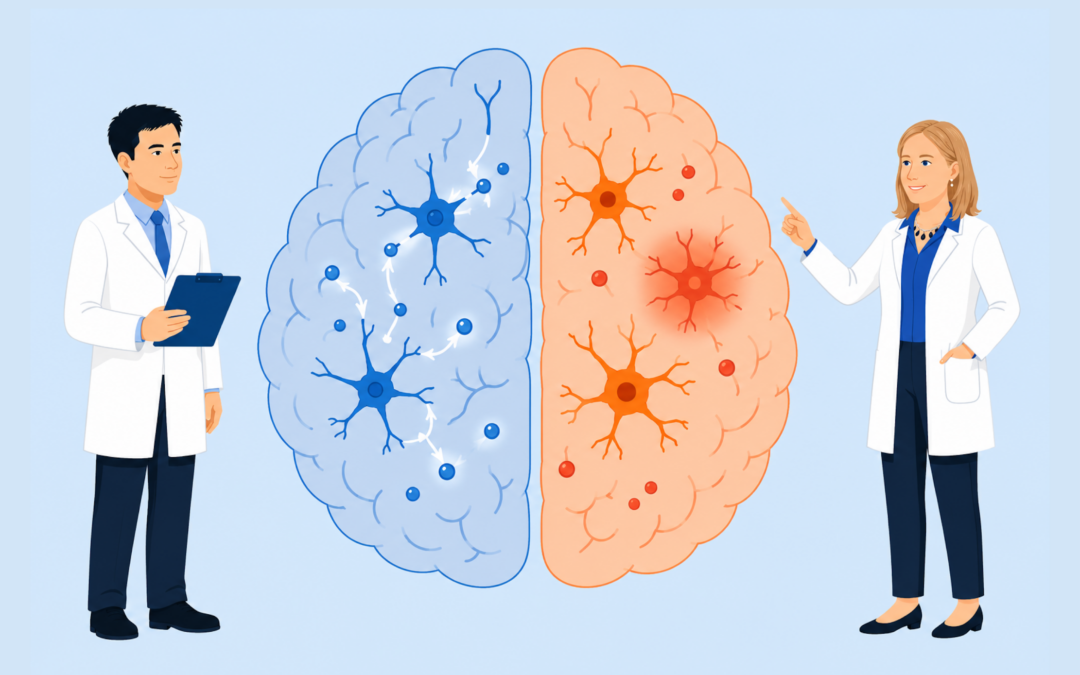
Depression affects nearly one in five Americans at some point in their lives. Sadly, for roughly a third of patients, standard antidepressants simply don’t work. Now, researchers at Johns Hopkins University School of Medicine believe they may have found a promising new path forward – one that targets the brain’s own immune cells. Dr. Xiaolei Zhu, Dr. Barbara Slusher, and their colleagues have been investigating why the brain’s resident immune cells, called microglia, appear to go into overdrive in people with major depressive disorder.

Dr Vedrana Bali – Dr Vladimir Grubišić | How Enteric Glia Shape Health and Disease
The human gut is more than a long tube for digesting food – it is one of our body’s largest and busiest borders, constantly deciding what may enter and what must stay out. Most of these decisions are made by a nervous system embedded within the gut wall, often called ‘the brain in the gut’, and supported by the local immune system. When this border becomes too permeable, often described as a ‘leaky gut’, problems can arise throughout the body. Researchers Vedrana Bali and Vladimir Grubišić, at the New York Institute of Technology College of Osteopathic Medicine, argue that this leaky-gut phenomenon may cause far more than stomach troubles.

Professor Stefan Pierzynowski – Professor Kateryna Pierzynowska | Cracking the Code on How Our Bodies Absorb Protein
When you eat a steak or a protein shake, what actually ends up in your bloodstream? It turns out the answer is surprisingly little-understood – until now. Professors Stefan Pierzynowski and Kateryna Pierzynowska of Lund University, also affiliated with the Institute of Rural Medicine, Lublin, and The Kielanowski Institute of Animal Physiology and Nutrition, have developed a clever new approach to answer this question. Their work has important implications for how doctors treat digestive diseases and how to evaluate dietary proteins’ quality and bioavailability.

Hope Walks: Early Clubfoot Treatment Transforms Children’s Lives
In many low- and middle-income countries, children born with physical disabilities face lifelong barriers that limit their ability to learn, play, and participate in their communities. One such condition is clubfoot, a congenital deformity that twists a baby’s feet downward and inward. While it is routinely corrected in wealthier nations, lack of access to treatment in poorer regions often leaves children disabled for life. In research funded by the University of Notre Dame, Bruce Wydick, Gianna Camacho, and Patrizio Piraino reveal how early, affordable treatment for clubfoot can transform not only a child’s mobility but nearly every aspect of their well-being.
Stay Up To Date With SciTube