SciTube for Grants
Research Animation for Grant Applications

A simple way to include clear, credible research communication directly within your proposal
Why Research Communication Now Matters in Grants
Research is no longer evaluated on scientific merit alone.
Funders increasingly expect proposals to demonstrate this — including major bodies such as NSF, NIH, UKRI, Horizon Europe, NSERC, CIHR, and DFG:
- communication beyond academic audiences
- public engagement and accessibility
- real-world relevance
- clear dissemination plans
Often referred to as:
- broader impacts
- knowledge translation
- research impact
- public engagement
The expectation is clear:
👉 it’s not just what you will discover
👉 it’s how that work will be understood and used
And there’s a simple reason for that.
A significant proportion of research is publicly funded.
Which means it shouldn’t just exist within specialist circles.

👉 it should be accessible
👉 it should be understandable
👉 and it should be able to reach the people it ultimately serves
The Common Challenge
Most researchers recognise this shift.
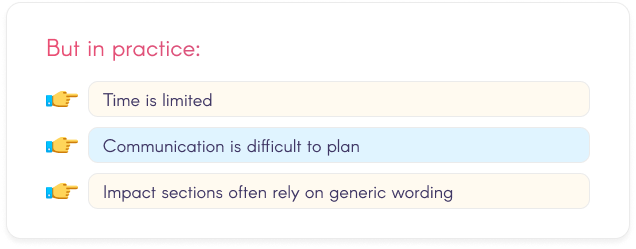
But in practice:
- time is limited
- communication is difficult to plan
- impact sections often rely on generic wording
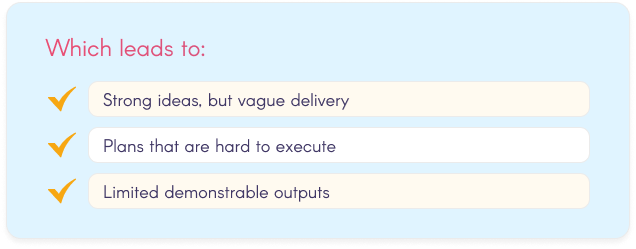
Which leads to:
- strong ideas, but vague delivery
- plans that are hard to execute
- limited demonstrable outputs
There’s also a practical consideration around funding.
Some universities provide central support for research communication.
Others don’t, or support is limited and highly competitive.
This means many researchers are left trying to deliver communication activities without a clear budget or defined resource.
To avoid this uncertainty, it’s often best to include communication as a dedicated, costed component within your grant from the outset.
At its core, the barriers tend to be:
- time
- translation
- delivery
A Practical Way to Strengthen Your Proposal
SciTube provides a defined, deliverable communication output you can include directly in your grant.
We turn your research into a short, clear animation that explains:
- the core idea
- why it matters
- who it benefits
This gives you something concrete to reference in your proposal.
SciTube has already been included in funded proposals across NSF, NIHR, and similar programmes as a defined communication output.
What This Looks Like in a Strong Proposal
Most proposals include a communication section.
But many rely on broad statements such as:
- “we will engage the public”
- “we will disseminate findings widely”
- “we will communicate results through outreach activities”
These are well intentioned.
But they are difficult to evaluate, difficult to measure, and often difficult to deliver in practice.
What Stronger Proposals Do Differently
Stronger proposals move beyond general intent and define:
- specific outputs
- clear formats
- identifiable audiences
- measurable activities and impact
For example:
“We will produce a professionally developed animated explainer video through SciTube to communicate our research clearly to non-specialist audiences, including policymakers, educators, and the wider public. The video will be disseminated through established digital platforms to support engagement and accessibility.”
Why This Matters
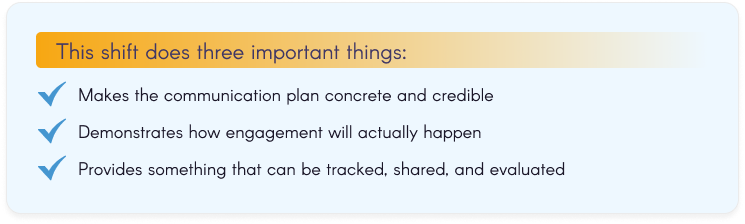
This shift does three important things:
- makes the communication plan concrete and credible
- demonstrates how engagement will actually happen
- provides something that can be tracked, shared, and evaluated
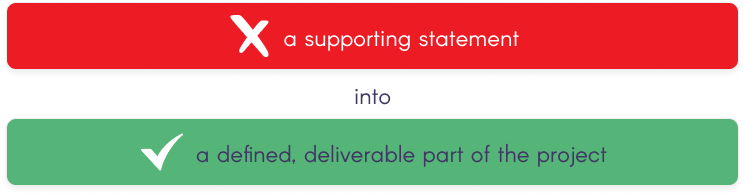
It turns communication from:
❌ a supporting statement
into
✔ a defined, deliverable part of the project
The Practical Advantage
In many cases, the difference between a good proposal and a strong one is not the idea.
It’s how clearly the delivery is defined.
Adding a structured, deliverable communication component:
- strengthens the impact section
- reduces ambiguity for reviewers
- makes execution more realistic
A Simple Upgrade

Instead of describing what you intend to do…
👉 define what you will produce
👉 define how it will be shared
👉 define who it is for
That’s where proposals become stronger.
A Fully Managed Process — From Creation to Dissemination
We handle the entire process, from initial concept through to final distribution.
This includes:
- scriptwriting in clear, accessible language
- visual design and animation
- voiceover, subtitles, and full production
- researcher review and approval at each stage
- active dissemination across multiple platforms
Researchers remain fully in control throughout.
Typical researcher input:
👉 ~1 hour total
Everything else — from translation to production to dissemination — is handled by our team.
Built-In Dissemination
Creating content is only part of the challenge.
For research communication to have real impact, it needs to be seen.
As part of SciTube, we actively share and distribute content across:

- YouTube
- X (Twitter)
- TikTok
- Bluesky
- our wider Science Diffusion network
Reaching a combined audience of 100,000+ science-focused viewers, alongside broader platform discovery.
Each piece is:
- optimised for platform visibility and accessibility
- published where audiences already consume content

- linked back to the researcher, institution, and grant provider
Why This Matters for Grants
This directly supports key funding requirements:
- public engagement
- broader impacts
- knowledge dissemination
- measurable outreach
Instead of simply stating that research will be shared, you can point to:
👉 a defined communication output
👉 a defined distribution pathway
👉 a defined, reachable audience
Designed to Be Reusable
The final animation is not just for the grant.
It becomes a long-term communication asset that can be used across multiple areas:
- broader impacts reporting
- future funding applications
- teaching and outreach
- presentations and conferences
- websites and public engagement
It also has ongoing practical use beyond formal reporting:
- researcher and lab recruitment
- attracting collaborators and partners
- supporting grant resubmissions and new proposals
- visual abstracts alongside journal submissions
- press releases and media coverage
- social media and platform distribution
- stakeholder and policy engagement
- internal communication and training
This means the same piece of content continues to deliver value long after the project itself.
👉 not just a deliverable
👉 a long-term asset that can be reused, repurposed, and built upon
How Many Animations Should You Include?
There’s no fixed number.
Some projects include a single animation.
Others build a more structured communication plan.
However, for most grant applications, we typically recommend a simple three-stage approach:
- Project Launch (Start)
Create an initial animation at the beginning of the project.
Purpose:
• introduce the research clearly
• explain why it matters
• outline potential impact
- Midpoint Update (During)
A second animation partway through the project.
Purpose:
• show progress
• highlight early findings
• maintain engagement
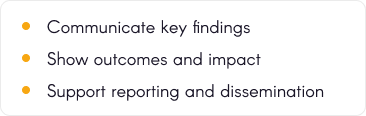
- Final Output (End)
A final animation once the research is complete.
Purpose:
• communicate key findings
• show outcomes and impact
• support reporting and dissemination
Why This Works
Instead of only communicating at the end, this approach:
- brings audiences along the research journey
- builds understanding over time
- creates multiple engagement points
It also provides:
- clear, defined deliverables
- measurable outputs
- reusable assets at each stage
Flexible by Design
This is a guide, not a requirement.
Projects can include:
• a single animation
• a small set of outputs
• or a larger programme depending on scope
Proven Across Universities Globally
We’ve delivered 2,500+ projects across 40+ countries.
Supporting individual researchers, departments, and institution-wide communication programmes in all areas including:
SciTube has been used within funded research projects to support broader impacts, outreach, and communication planning, and is a recognised public engagement channel.
Examples of Work
These examples show how complex research can be translated into clear, engaging formats that reach beyond specialist audiences.
Sustainable aquaculture through biomolecular solutions
- Complex biomolecular science translated into a clear, accessible narrative
- Showed how sustainable aquaculture can reduce disease, antibiotics, and environmental impact
- 3,000+ YouTube views and 7,000+ additional views across platforms, demonstrating reach beyond specialist audiences
- Part of the EU-funded BioAqua COST Action initiative
Reducing Racial Disparities in Anemia in Pregnancy
- Large-scale maternal health research translated into a clear, accessible narrative
- Highlighted racial disparities in anemia and links to severe pregnancy complications
- 4,000+ YouTube views and 8,000+ additional views across platforms, reaching audiences beyond academia
- Funded by the Eunice Kennedy Shriver National Institute of Child Health and Human Development and the National Institute of Nursing Research

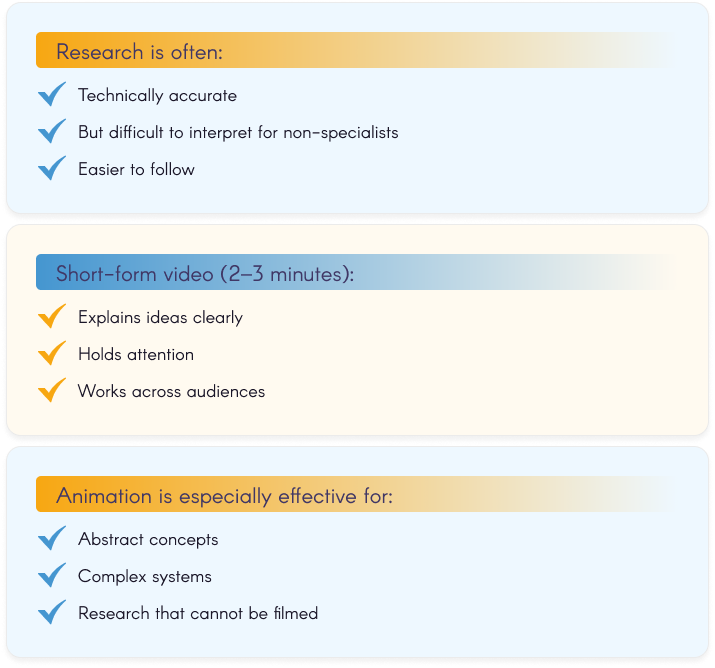
Why Video and Animation Work
Research is often:
- technically accurate
- but difficult to interpret for non-specialists
Short-form video (2–3 minutes):
- explains ideas clearly
- holds attention
- works across audiences
Animation is especially effective for:
- abstract concepts
- complex systems
- research that cannot be filmed
Grant-Ready Pricing
SciTube can be included as a costed line item within your proposal.
Typical options:
- £850 – Video Lite (2 minutes)
- £2,310 – Custom 2D animation (3 minutes)
For Research Development Teams
SciTube helps teams:
• provide a clear communication pathway
• reduce researcher workload
• strengthen proposal quality
We welcome working alongside you as a recommended trusted broader communication platform
Get a Grant-Ready Paragraph You Can Paste Into Your Proposal
If you’re preparing a grant, we can provide a short, tailored paragraph you can include directly in your application.
👉 Request your grant-ready blurb
Get Your Grant-Ready Blurb
Tell us a little about your project and we’ll send you a tailored paragraph you can use directly in your proposal.
No pressure. No hard sell. Just something useful for your proposal.