
Social and Behavioural
Explore Social and Behavioural

Dr Camilo Sanz | How Access to Assisted Dying Can Improve Life for Seriously Ill Patients
When anthropologist Camilo Sanz’s father was diagnosed with incurable Multiple Myeloma at 79, a form of blood cancer, his doctors offered a stark choice: continue aggressive chemotherapy or face the possibility of painful decline. He chose neither path exactly. Instead, he withdrew from treatment and secured access to euthanasia, legal in Colombia since 1997. Eleven years later, he is still alive. This surprising outcome became the starting point for Sanz’s study, published in Medical Anthropology Quarterly. He asked why simply knowing euthanasia was available seemed to change how his father lived, long before any procedure took place.
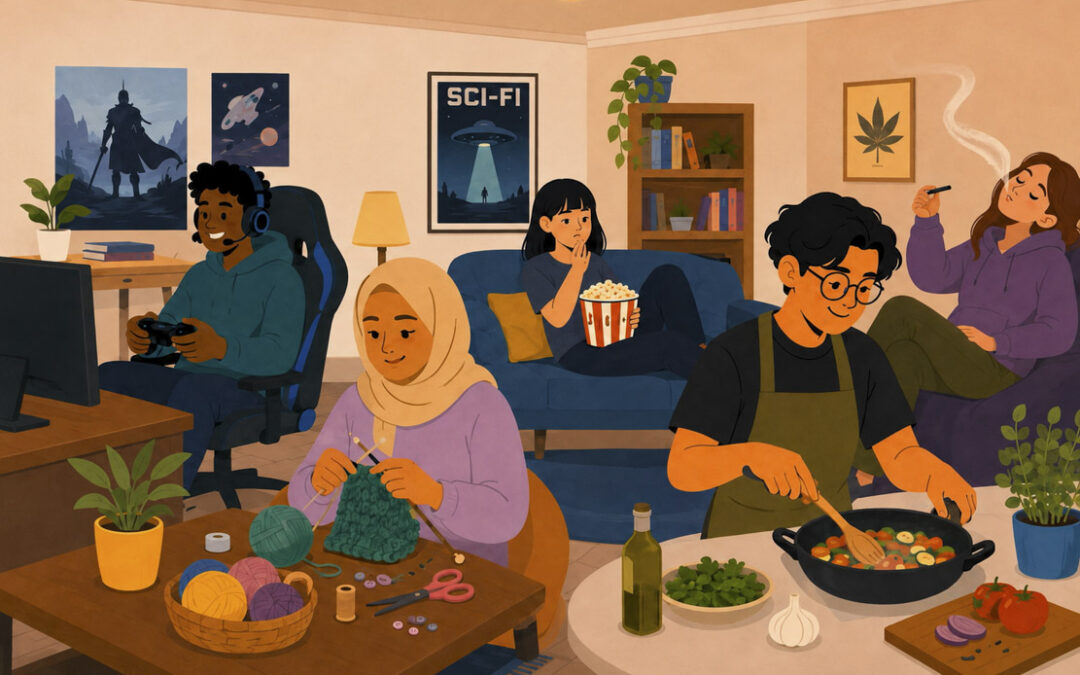
Catching Pokémon to Survive a PhD: Revealing the Secret Lives of Doctoral Students
Graduate school is notoriously gruelling. The pressure to publish, the long hours, the financial strain, and the creeping isolation of dissertation life take a real toll. These pressures are not accidental – they are shaped by a market-driven, competitive model of higher education that prioritises productivity, performance metrics, and individual responsibility. This environment intensifies expectations without increasing support, contributing to widespread stress and mental health challenges among doctoral students. But a new study from the University of Massachusetts Boston and North Carolina State University suggests that doctoral students have found their own quiet ways to cope.

Dr. habil. Berthold M. Kuhn | Pracademics: Building Bridges Between Academia and Action
What happens when someone bridges two worlds – moving between university lecture halls and research forums on one side, and hands-on consulting and development project evaluation on the other? Berthold Kuhn of Freie Universität Berlin explores what that dual identity looks like in two very different, politically sensitive settings: China and the Middle East.

Samantha Rennie – Kristene Cheung | Recognising the Overlooked Caregivers of Children with Prenatal Alcohol Exposure
Families raising children with prenatal alcohol exposure are incredibly diverse. A child might live with a birth parent, a foster parent, an adoptive family, aunties or uncles, or a grandparent. Yet a landmark new study suggests that the research meant to support these families has been telling only part of the story. Led by Samantha Rennie and Kristene Cheung at the University of Manitoba, the study set out to map exactly who is – and who isn’t – represented in the scientific literature on caregivers of children with prenatal alcohol exposure.

Professor Adam Schembri – Professor Kearsy Cormier | Debunking the Myths Around Sign Languages
Sign languages are rich, complex languages used by deaf communities all over the world. Yet despite decades of research showing this clearly, many people still hold on to outdated misunderstandings about them. Researchers at places like the University of Birmingham and University College London have played a key role in challenging these misunderstandings and showing just how diverse and sophisticated sign languages really are.
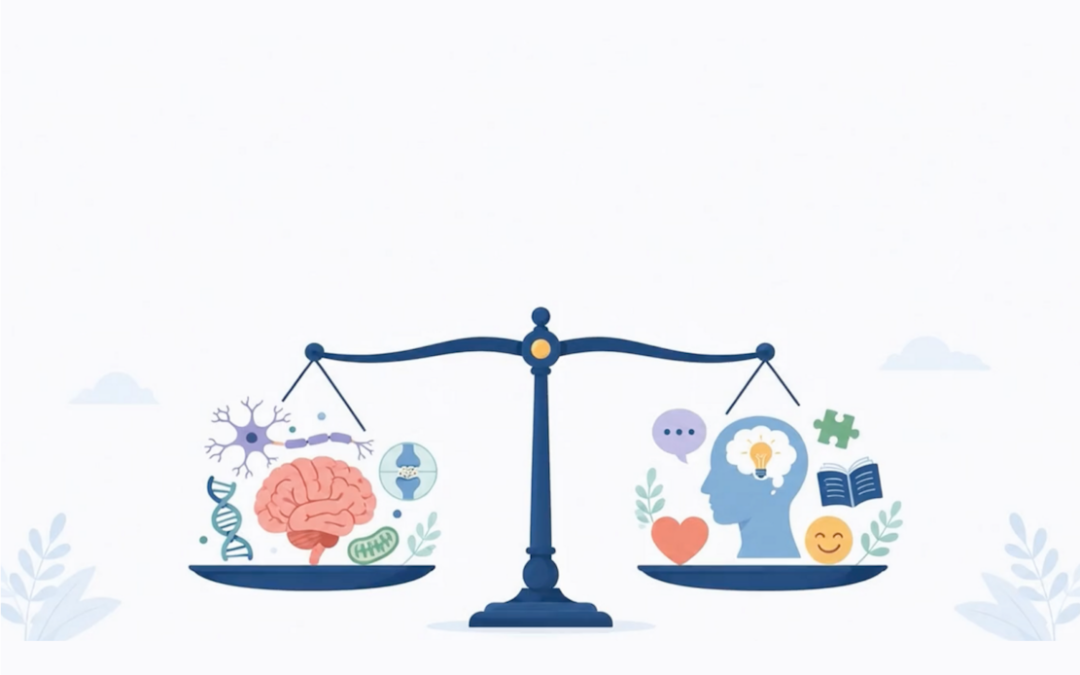
Professor Helen Lavretsky | Building a Resilient Brain: What New Research Reveals About Aging Well
Aging well isn’t just about the body; it’s about the brain, too. A major new review led by Professor Helen Lavretsky of UCLA argues that ‘brain health’ deserves the same attention we give heart health, and that building resilience may be one of our best tools for preventing depression, anxiety and dementia in later life. Lavretsky and her co-authors describe brain health as a dynamic balance between the brain’s biology and a person’s cognitive and emotional life.

Dr Suzanne O’Keeffe | Silence Does the Work: Exploring the Hidden Force that Shapes Institutions
In many institutions, the rules that matter most are never officially stated. Nobody tells a male primary school teacher to think twice before physically comforting an upset child. Nobody writes into a curriculum that certain topics are off-limits. And yet everyone seems to know. Dr Suzanne O’Keeffe at Maynooth University argues that this kind of unspoken order is a force that shapes knowledge, constrains behaviour, and deserves to be properly interrogated.

Dr. Leonie Brummer | Digital Awareness: The Missing Piece of Online Life
Most of us use digital technology every day – for work, shopping, socialising, and keeping up with the news. But how many of us really stop to think about what we’re doing online, why we’re doing it, and what the consequences might be? That’s the question at the heart of new research by researcher Leonie Brummer at Utrecht University, who argues that being truly at home in the digital world requires something deeper than skills alone.

Dr. Lillian Xu – Dr. Seth D. Pollak | Playing It Safe: How Parental Unpredictability Shapes Children’s Willingness to Learn
The idea that children learn best when they feel secure may seem obvious, but new research from the University of Wisconsin–Madison shows just how deeply a child’s trust in their parents shapes their willingness to explore. Led by Lillian Xu and Seth Pollak, the study reveals that children who feel their parents are less reliable explore less – even when exploring is vital to learning and personal growth.
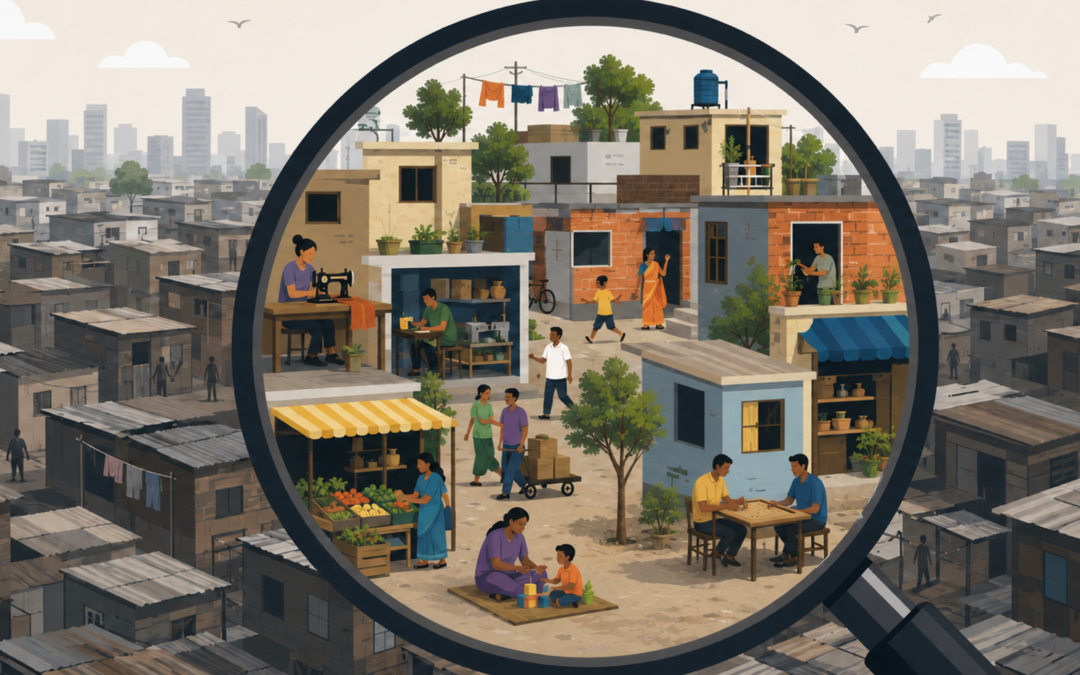
Dr Ayesha Mueller-Wolfertshofer | Learning from the ‘Slum’: The Sustainable City Hidden in Plain Sight
What comes to mind when you think of informal settlements, or so-called ‘slums’? Portrayed negatively in public discourse, governments demolish them to make way for formal housing projects. However, research by Ayesha Mueller-Wolfertshofer at TUM suggests these settlements are actually models of sustainable urban development that should be recognised and supported. Her research focuses on Dharavi, one of the world’s most well-known informal settlements, located in the heart of Mumbai, India.

Dr. Deon Brown | Understanding How African Americans Navigate Emotional Expression
Human emotions are universal. But how freely people express them – and to whom – is shaped by culture, history, and lived experience. For African Americans, that shaping has a particular weight: centuries of racism and oppression have made emotional expression not just a personal matter, but a protective and sometimes strategic one. Understanding how Black Americans navigate this reality is not only a matter of psychological interest – it has real implications for mental health, education, and family life. This is the territory explored by Dr. Deon Brown and his colleagues at the University of Houston, Virginia Commonwealth University, American Jewish University, and Michigan State University.
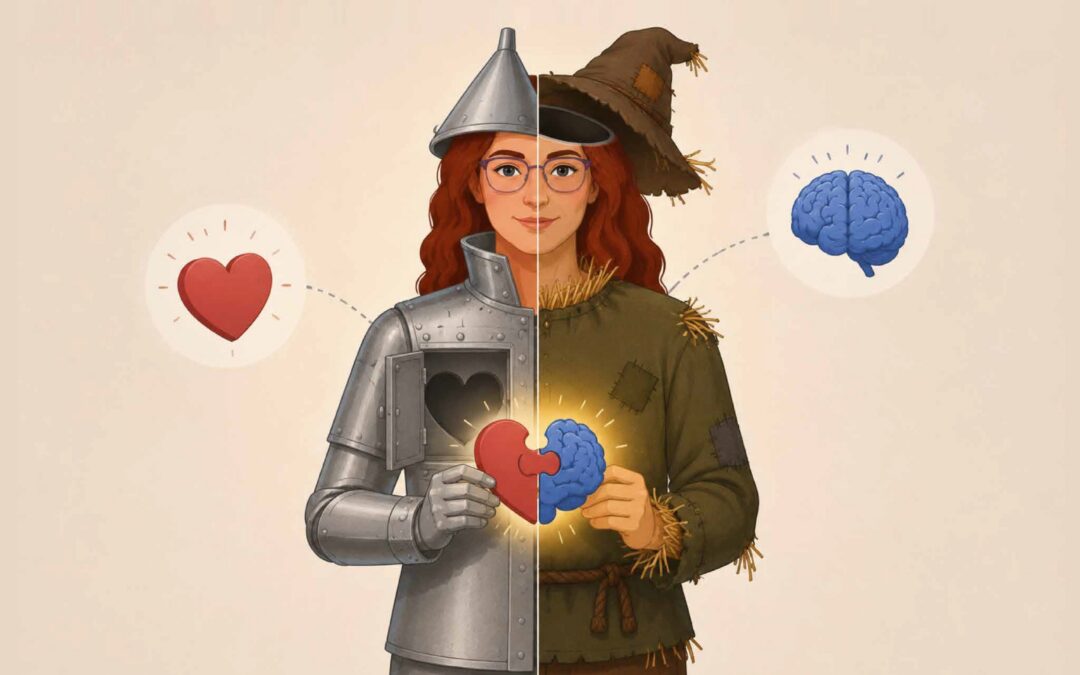
Professor Daniel S Levine | Why Reason Needs Emotion: Uncovering the Science Behind Better Decisions
For centuries, we’ve been told a story about ourselves: that reason is noble and emotion is messy; that to think clearly, you need to keep your feelings firmly under control. It’s a story that has shaped science, politics, economics, and culture. But what if it’s simply wrong? That’s the central argument of psychologist and neuroscientist Daniel Levine from the University of Texas at Arlington in his book: Healing the Reason-Emotion Split.
Stay Up To Date With SciTube