
Education and Training
Explore Education and Training
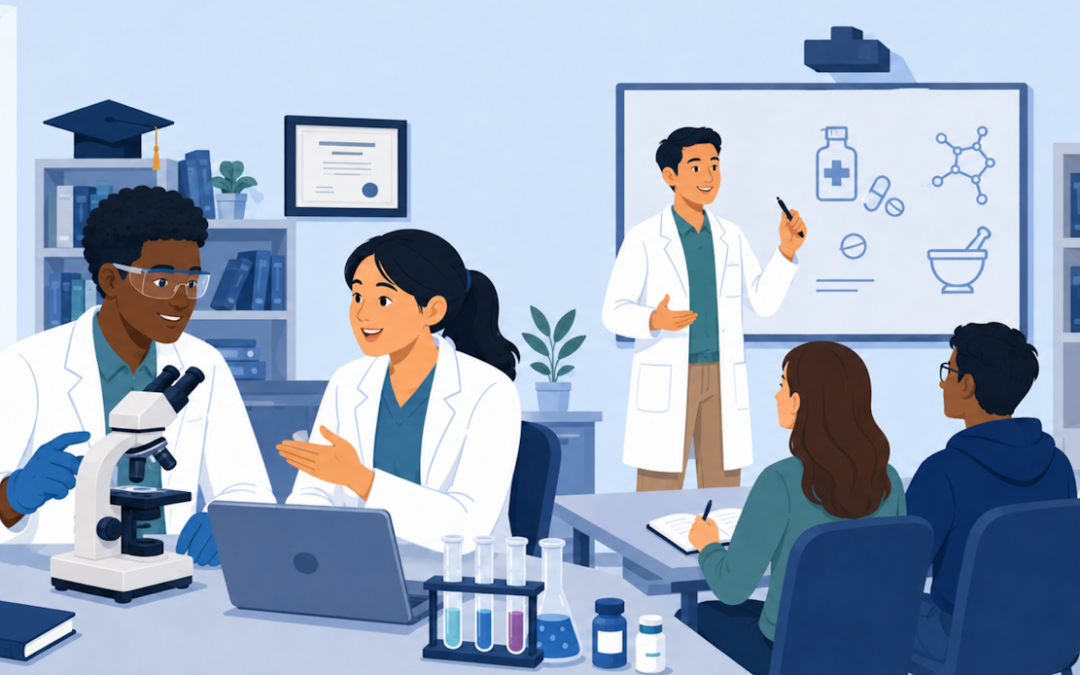
Professor Candis M Morello – Professor Jan D Hirsch | Training the Next Generation of Pharmacists for a Changing Healthcare World
The pharmacy profession has undergone significant transformation. Pharmacists perform many disease management activities including screening and treating high blood pressure, diabetes, and high cholesterol. There are over 100 pharmacy career pathways for pharmacists. As pharmacists take on more direct patient care responsibilities – beyond the traditional roles of compounding and dispensing – the need for skilled clinicians, educators and researchers within the field has never been greater. A pioneering team at the University of California San Diego’s Skaggs School of Pharmacy and Pharmaceutical Sciences, led by Professors Candis Morello and Jan Hirsch, has worked to meet that need head-on.
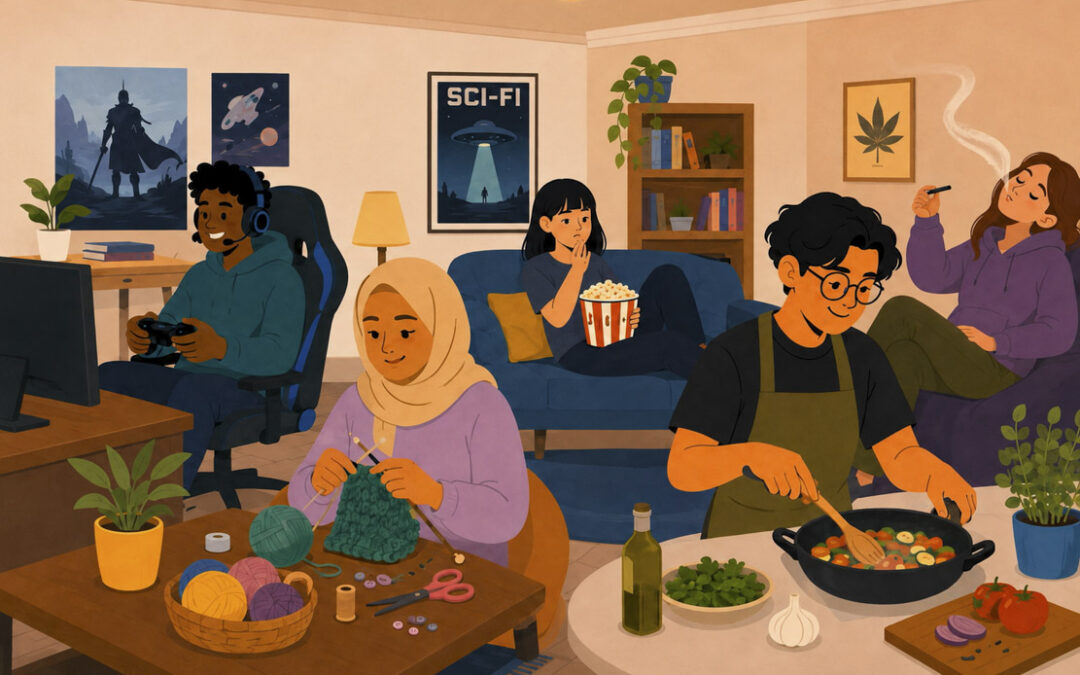
Catching Pokémon to Survive a PhD: Revealing the Secret Lives of Doctoral Students
Graduate school is notoriously gruelling. The pressure to publish, the long hours, the financial strain, and the creeping isolation of dissertation life take a real toll. These pressures are not accidental – they are shaped by a market-driven, competitive model of higher education that prioritises productivity, performance metrics, and individual responsibility. This environment intensifies expectations without increasing support, contributing to widespread stress and mental health challenges among doctoral students. But a new study from the University of Massachusetts Boston and North Carolina State University suggests that doctoral students have found their own quiet ways to cope.
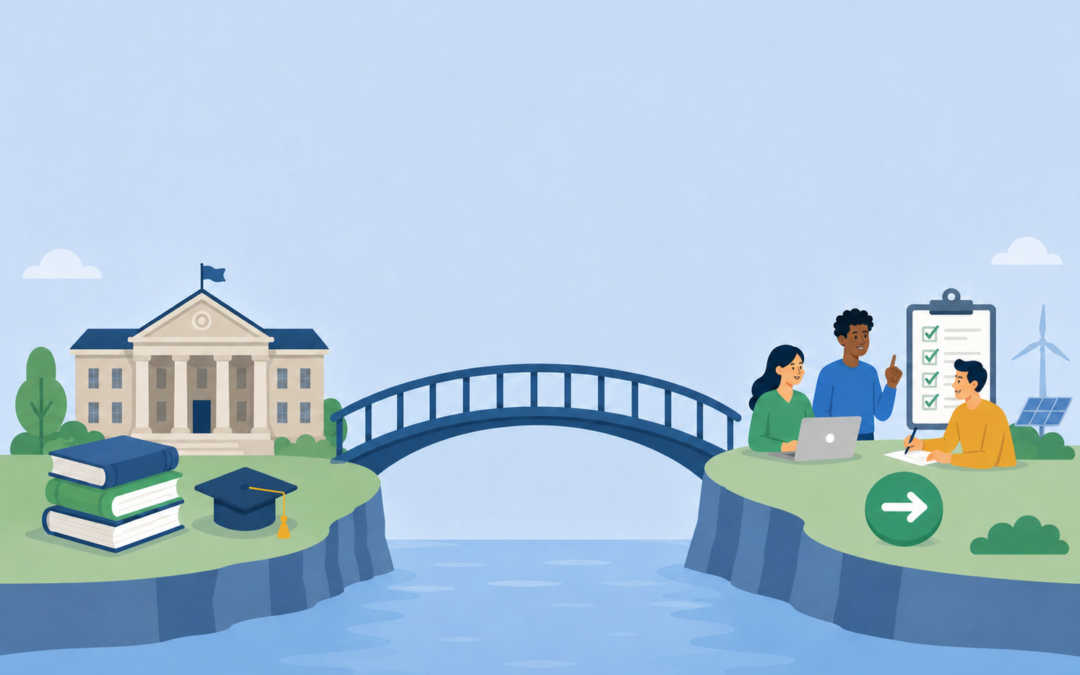
Dr. habil. Berthold M. Kuhn | Pracademics: Building Bridges Between Academia and Action
What happens when someone bridges two worlds – moving between university lecture halls and research forums on one side, and hands-on consulting and development project evaluation on the other? Berthold Kuhn of Freie Universität Berlin explores what that dual identity looks like in two very different, politically sensitive settings: China and the Middle East.
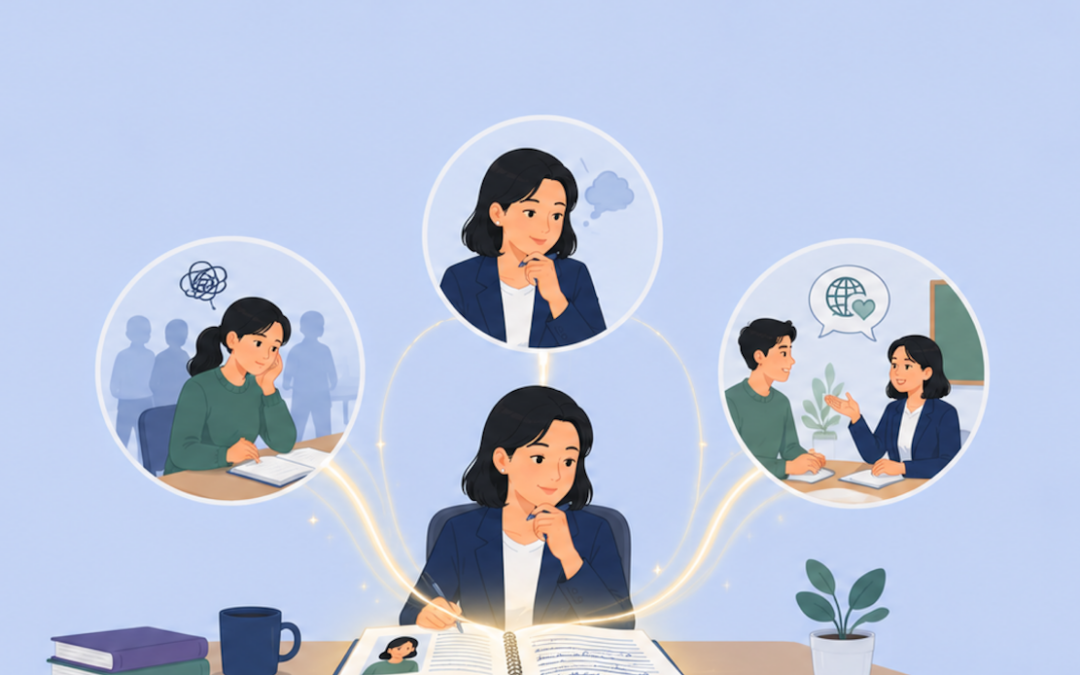
Laura Park | A New Self-Study Method for Language Teacher Education
What happens when a language teacher educator stops grading her students’ reflective essays and starts writing back to them instead? For Laura Park, who educates student English teachers at Ewha Womans University in South Korea, that simple shift sparked an entire research methodology. More importantly, it offered a way for teacher educators to better understand their students’ experiences and assumptions, helping them become more reflective, empathetic teachers.
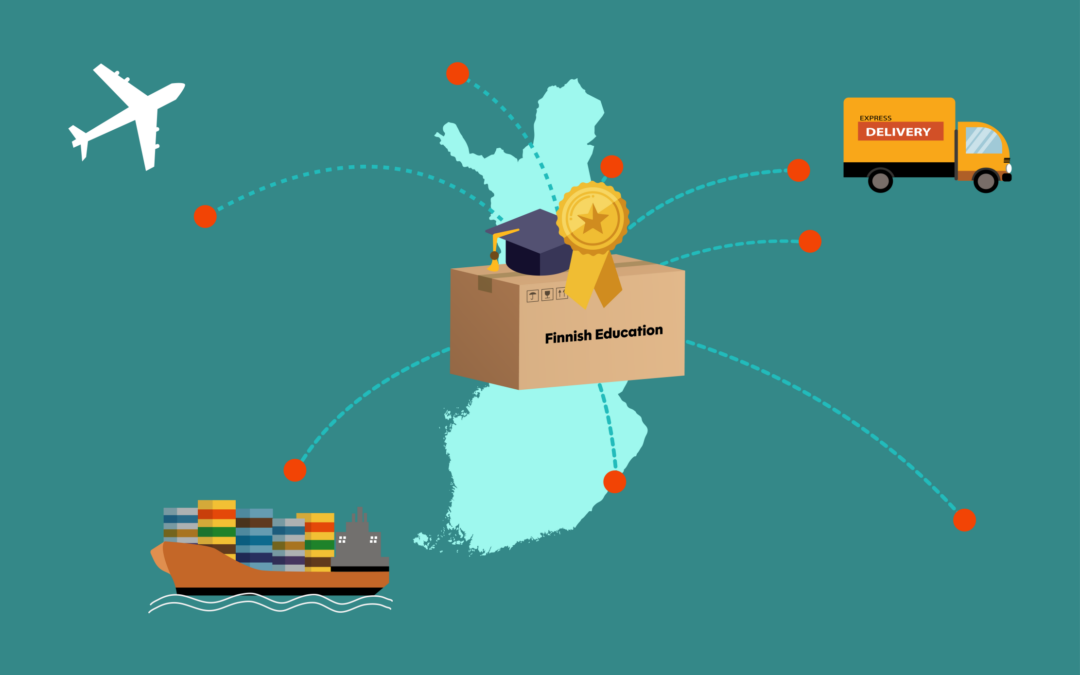
Dr Anne Kovalainen – Dr Seppo Poutanen | From Public Good to Private Gain: Exploring the Marketisation of Finnish Education
For decades, Finland has been celebrated for its world-class schools and egalitarian education system. But recent research by Anne Kovalainen and Seppo Poutanen from the University of Turku reveals that the Finnish state has been reimagining education not only as a public good but also as an economic asset. Their recent study explores how government policies have transformed teaching and learning into commodities that can be packaged, branded, and sold around the world. The researchers warn that this shift could undermine the idea of education as something that serves the public good.
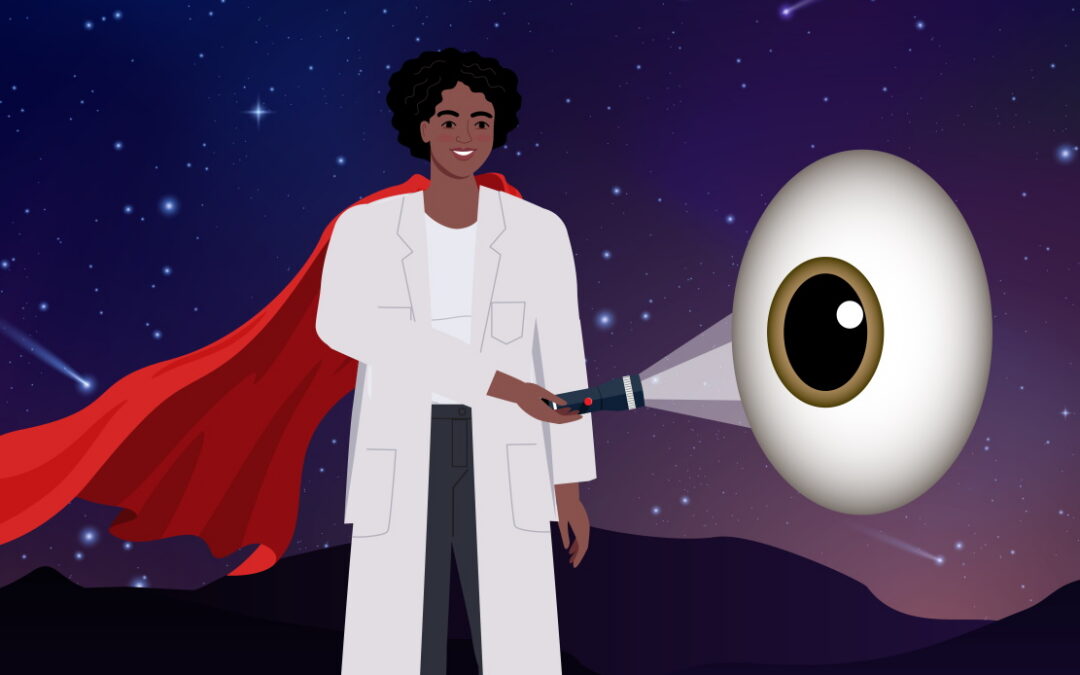
Curious Kids Can Become Awesome Eye Doctors!
Did you know doctors who care for our eyes can help people see the world in a whole new way? Today, we’re going to meet ophthalmologists – special doctors who keep eyes healthy and fix problems so that people can see clearly. Imagine helping your family, friends, and community see better every day. That’s what eye doctors do! Let’s meet all the different types of eye doctors!

Dr Michael Dillon | A Gamified Approach to Teaching at Plymouth University
In universities everywhere, there’s growing recognition that the traditional lecture model is no longer enough. As disciplines become more complex and interconnected, students need more than information – they need ways to engage actively with what they’re learning. This means moving beyond passive listening and note-taking, towards approaches that foster critical thinking and collaboration. At the University of Plymouth, a new teaching innovation is showing how gamified learning can encourage deeper understanding and student engagement.

Dr. Ndukaku Omelu | Maintaining Life-Saving Colorectal Cancer Screening
Colorectal cancer is the second leading cause of cancer-related mortality in the US, with over 52,000 deaths annually. Early detection through screening saves lives, but maintaining these programs is challenging, especially when funding is uncertain. In California, a program called the California Colon Cancer Control Program (or C4P) helped to increase the uptake of fecal immunochemical test (or FIT) screening for colorectal cancer to prevent colorectal cancer deaths and reduce health disparities. The C4P intervention was funded by the Centers for Disease Control and Prevention.

Dr. James Morris | A Strong Sense of Social Support Boosts Academic Confidence in Male College Students
The gap between ability and achievement in male college students has become a pressing concern, particularly among those from underserved groups. Many male students exhibit potential that is not fully realized, and a lack of social support has emerged as one possible factor contributing to this disconnect. Research by Dr. James Morris provides important new insights into this relationship. He explores the idea of academic ‘self-concept’, which describes a belief in one’s own academic abilities, and how this can be enhanced to improve educational outcomes.

Dr. Brooke A. Moore | Building Better Classrooms with Online Training for Rural Science Teachers
Teachers in remote regions often face a major problem: accessing the training they need to help their students succeed. Brooke Moore and her colleagues at Fort Hays State University wished to address this issue, especially for middle-school science teachers in rural Kansas. In a recent study, Moore’s team explored whether an online professional development program could be just as effective as traditional, in-person workshops. In many rural areas, teachers simply cannot attend in-person training courses due to their location.

Dr. Ahmad Aziz | Innovative Approaches to Agricultural Education
To create an environmental-conscious future for Tennessee’s agricultural production, it is vital to educate communities about crop improvement endeavors whilst also promoting career opportunities in the sector for young people in the state. In 2020, Dr. Ahmad Aziz and his colleagues at Tennessee State University launched an innovative project designed to address both of these issues. Funded by the USDA/NIFA 1890 Institution Capacity Building Grant, they sought to address the critical need for high-quality agricultural education at various levels.

Karen Hindhede – Adriana Saavedra | How Social Justice, Climate Change and Diversity are Portrayed in Children’s Books
In today’s world, social justice, environmental justice, climate change, and diversity are increasingly important topics. These big, complex subjects can be difficult for children to understand. However, children’s literature is often at the forefront of tackling such topics. Picturebooks are a way to consider current issues, foster awareness and empathy, and help children to imagine new and better ways of being in the world. They are often meant to be read by or with the help of an adult, presenting an opportunity for intergenerational learning, discussion, and enjoyment. In a recent study, Karen Hindhede and Adriana Saavedra at Central Arizona College set out to understand how ideas about social justice, climate change and diversity are portrayed in children’s literature.
Stay Up To Date With SciTube