
Health and Medicine
Explore Health and Medicine
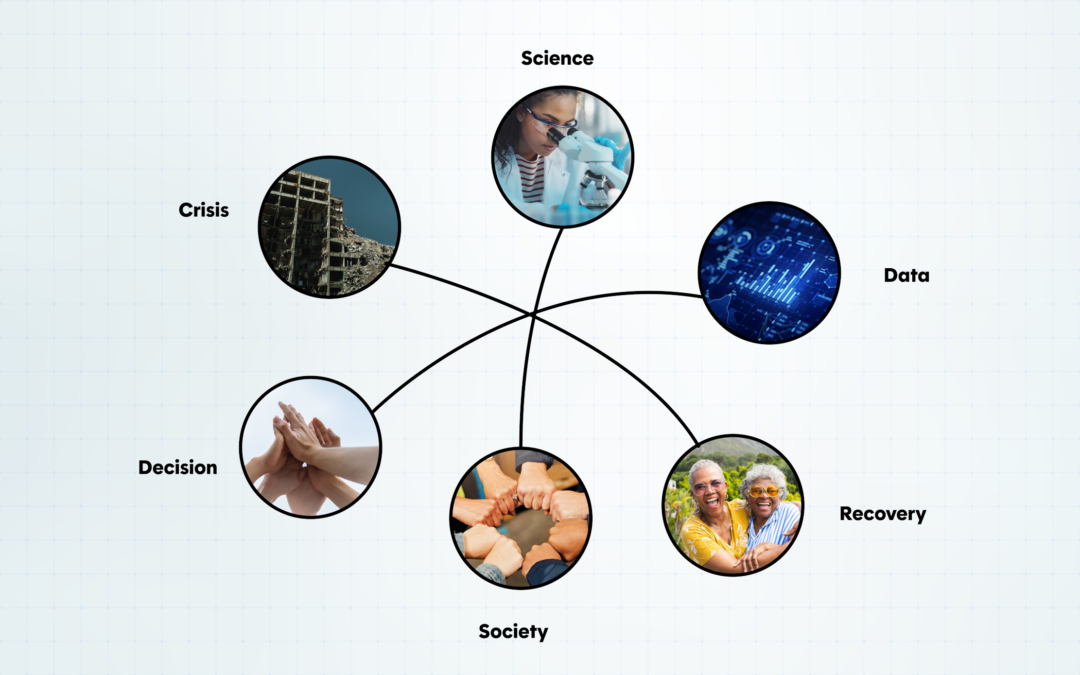
Dr Sriram Iyengar | Resilience Informatics
Pandemics! Heatwaves! Floods! Droughts! We live in an age of overlapping crises. Climate change is intensifying. Acute, short-term stressors and chronic, long-term stressors damage physical and mental health. Such stressors are not going away. We need to develop resilience to these stressors. But what IS resilience?
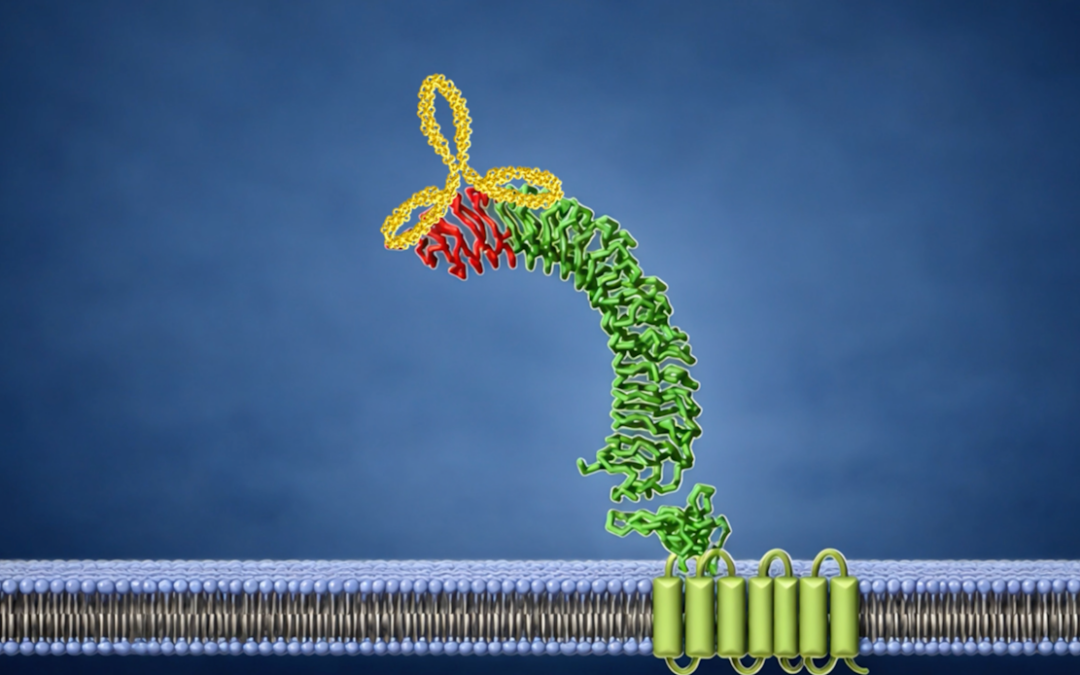
Marc de la Roche – Maike de la Roche | A New Route to Precision Cancer Immunotherapy
Cancer treatments are increasingly moving beyond one-size-fits-all approaches, and new research led by Marc de la Roche and Maike de la Roche shows how a single biological target could open the door to multiple, more precise immunotherapies. The work focuses on LGR5, a protein found at unusually high levels on the surface of certain cancer cells, including colorectal cancer, liver cancer, and a form of leukaemia.
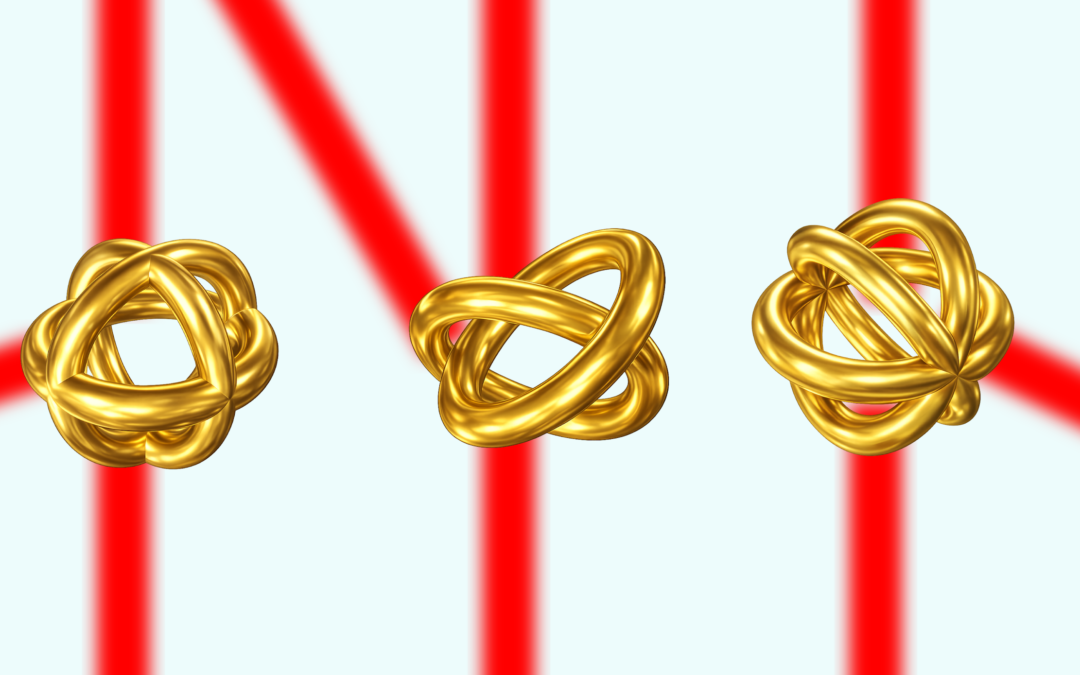
Dr Fatema Alali | How Ring-Shaped Gold Nanoparticles Could Revolutionise Cancer Treatment
Nanoparticles may be tiny, but their potential impact on medicine is enormous. In a new study, researcher Fatema Alali explores how carefully designed gold nanoparticles could make light-based cancer treatments safer, more precise, and more reliable. Her research focuses on how the shape of these particles controls the way they absorb light and turn it into heat – a key process in photothermal therapy.
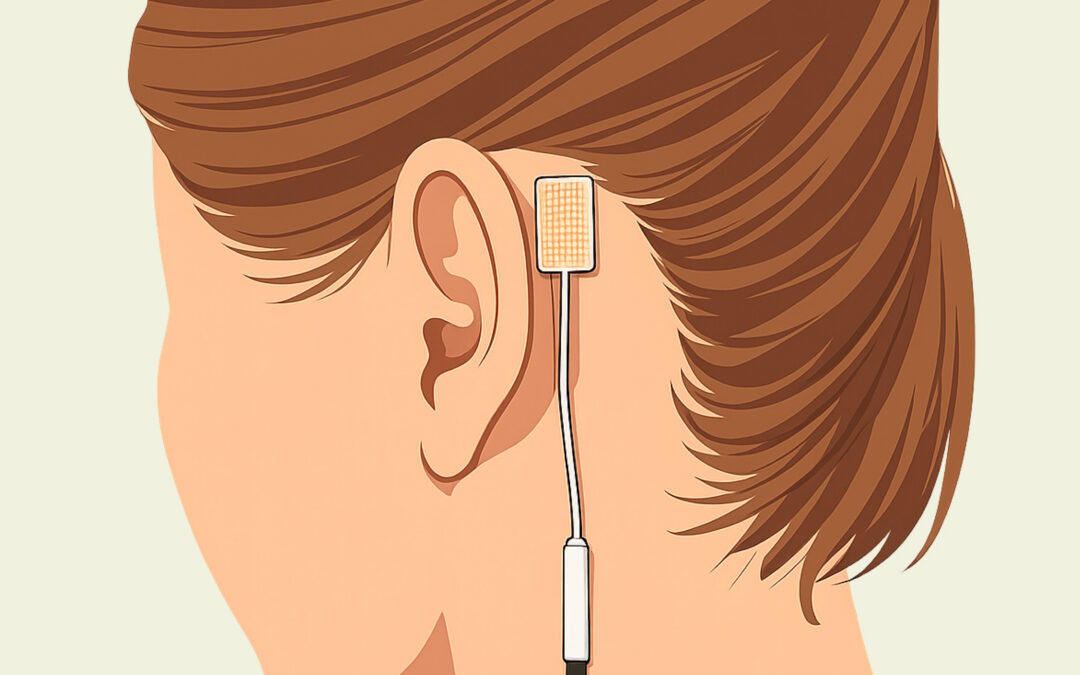
Dr. Mark Greenwald | The NET Device™: A New Tool to Help People Recover from Opioid Addiction
For people trying to stop using opioids, the most dangerous point in recovery often comes right at the start. Withdrawal can arrive quickly and fiercely, bringing physical pain, severe anxiety, sleeplessness, and intense cravings. Even when someone is deeply motivated to quit, these symptoms can overwhelm their resolve and lead them back to use. New research led by Dr. Mark Greenwald at Wayne State University is investigating a novel way to ease this early hurdle.

Dr. Bruce Lahn | Cracking the Code of How Cells Choose Their Fates
How does a single fertilized egg produce the hundreds of cell types that make up the body – from neurons and skin cells to muscle and blood? This question has long been one of biology’s great mysteries. Dr. Bruce Lahn and his team at the University of Chicago believe they have uncovered a fundamental mechanism behind this process, which could reshape how scientists think about development and cellular identity.
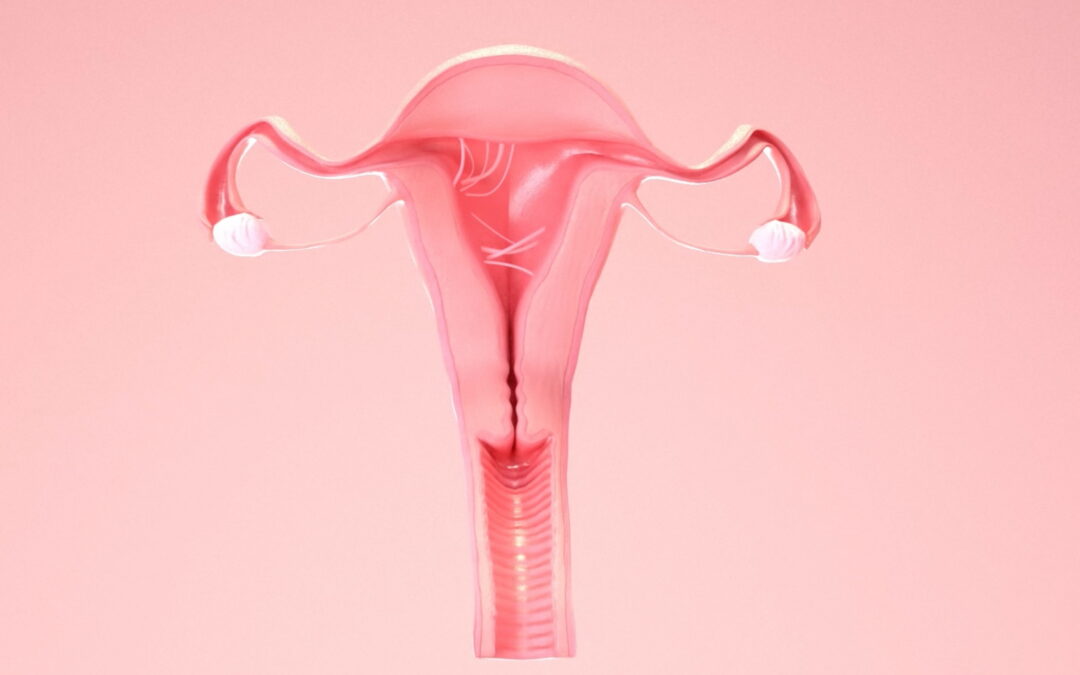
Dr. Angelo Hooker | Understanding Intrauterine Scarring to Improve Fertility and Pregnancy Outcomes
Intrauterine adhesion is a common gynecological condition – one of the main diseases of the reproductive system. This uterine disorder is characterized by a partial or complete adhesion between the anterior and posterior walls of the uterine cavity and/or the cervical canal. It has a debilitating impact on the quality of life for women of childbearing age. Intrauterine adhesion can form when the lining of the uterus becomes damaged, leading to scarring or even obliteration of the uterine cavity. It can result from intrauterine infections and from operations such as dilatation and curettage after miscarriage or termination of pregnancy.

Memory, Aging, and the IQity® NeuroTimeLine™ Advantage
Most people assume memory loss is a natural and unavoidable part of getting older. But modern neuroscience tells a very different story. Your brain can regain clarity, restore memory, and even reverse age-related decline – when we understand what is actually changing beneath the surface. As we age, most memory difficulties do not come from brain damage or neuron loss. They come from declining neural efficiency. Brain rhythms slow and lose precision. Communication between key networks becomes less coordinated. Emotional and stress load adds internal “noise”. Together, these shifts make it harder to encode new information and retrieve what we already know – even when the memories are still there.

Reducing Racial Disparities in Anemia in Pregnancy
Pregnancy is often an exciting time as families welcome a new baby (or babies) into their homes. But sometimes, new mothers face serious health problems that can become life-threatening. Doctors call these life-threatening situations “severe maternal morbidity,” or a “near-miss” pregnancy event. One important issue that affects these outcomes is anemia during pregnancy (also referenced as antepartum anemia in our study). Anemia happens when the body doesn’t have enough healthy red blood cells to carry oxygen. The most common type is iron-deficiency anemia, which simply means the body doesn’t have enough iron.
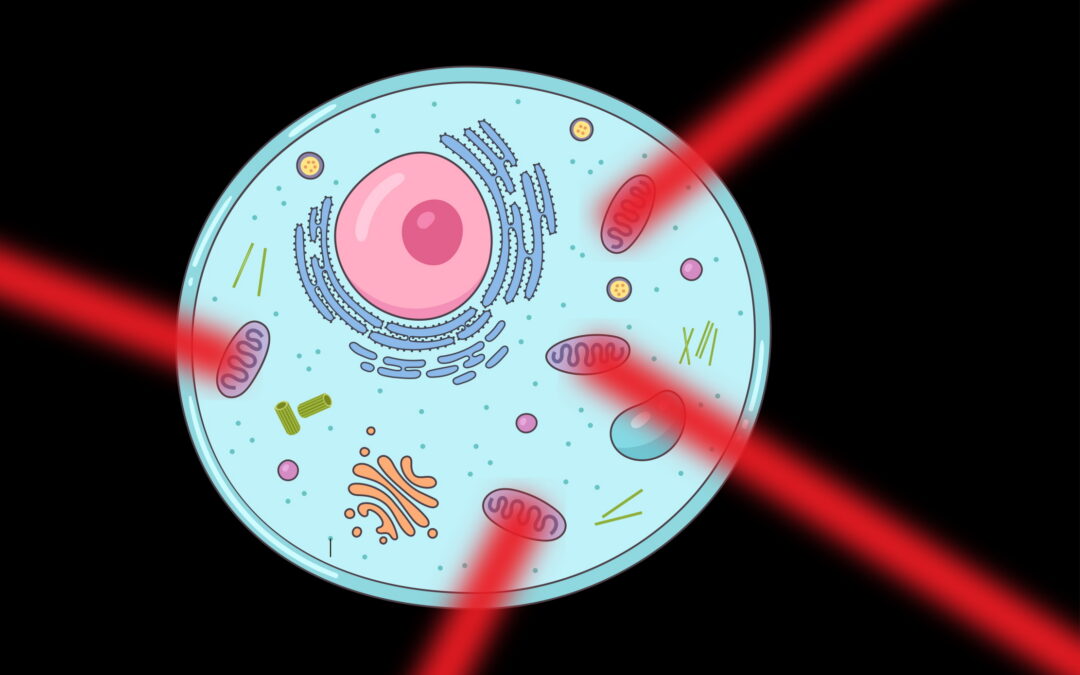
Dr Liisa Laakso | A Ray of Hope for Mitochondrial Disease
MELAS is one of a number of rare genetic conditions in which a person’s cells struggle to make enough energy. As a result, people with MELAS often face extreme fatigue, muscle weakness, strokes, and a host of other symptoms. There is no cure yet, and treatments focus on managing problems as they show up. Now, Dr Liisa Laakso and her colleagues at the Mater Research Institute-University of Queensland are exploring a non-drug approach that could support the body’s cells themselves.
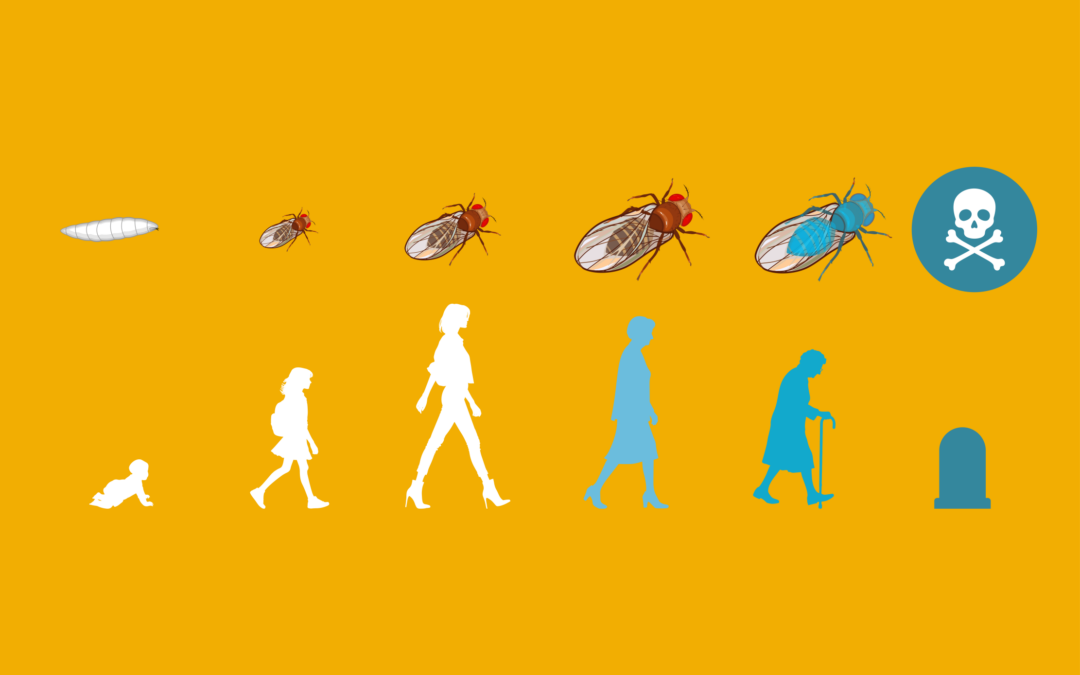
Dr Michael Rera | Smurf and Death: Understanding the Phasing of Aging
Aging is one of biology’s most universal and mysterious processes. Most living organisms age, although in different ways, yet scientists still don’t fully understand how or why it happens the way it does. Over time, cells accumulate damage and wear down, tissues become less efficient, and the body becomes more vulnerable to diseases and death. But is aging a progressive decline towards death, or does it occur in distinct, identifiable phases? To investigate this, Dr Michael Rera and colleagues at Paris Cité University have been studying aging in model organisms, including the fruit fly Drosophila melanogaster.
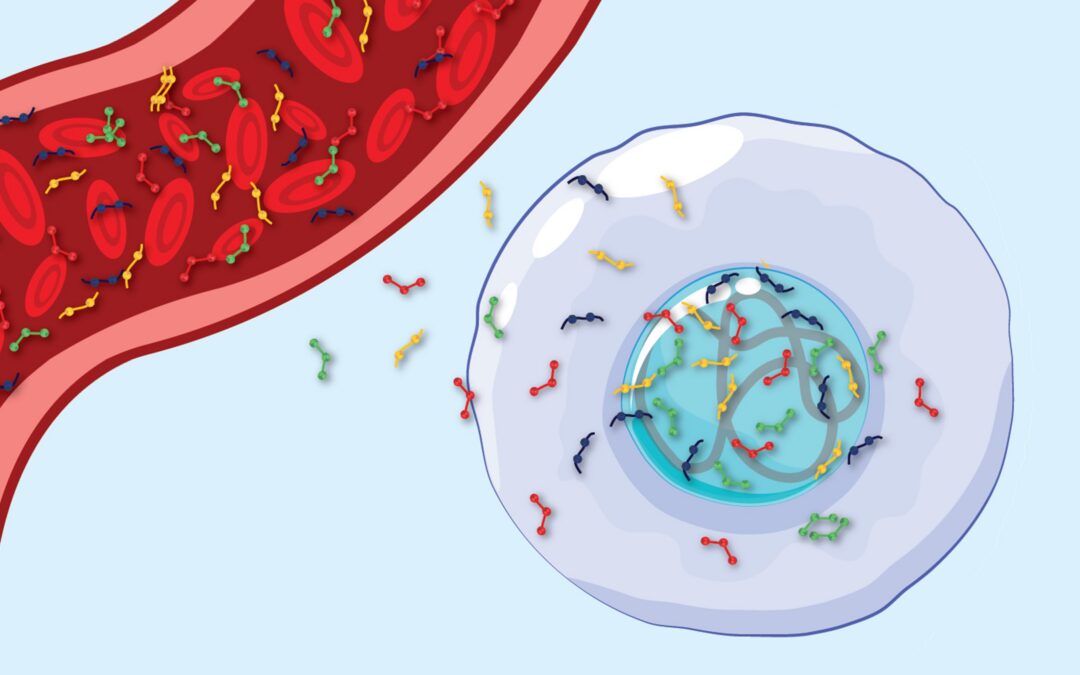
Professor Indraneel Mittra | Horizontally Transferred Cell-Free Chromatin Particles: A New Frontier in Mammalian Genomics
Professor Indraneel Mittra and his research team at the Advanced Centre for Treatment, Research & Education in Cancer, Mumbai, has discovered a surprising role for cell-free chromatin particles, cfChPs, in mammalian cells. Their findings position cfChPs as agents of horizontal gene transfer (HGT) and drivers of evolutionary change.

The Hidden Role of Platelets: New Insights Towards the Treatment of Aplastic Anaemia
Aplastic anaemia is a common and significant hematologic disease, where the bone marrow cannot produce enough blood cells, leaving people exhausted, prone to infections, and at risk of serious bleeding. Most mechanistic research has focused on how components of the immune system, especially T-cells, mistakenly attack the bone marrow. But new work led by Dr Shuai Tan, Dr Xingmin Feng, and Dr Wanling Sun offers an important shift in perspective: platelets may be doing far more than helping blood clot in aplastic anaemia.
Stay Up To Date With SciTube