
Physical Sciences
Explore Physical Sciences
Dr Solly Lebelo – Dr Tranos Zuva | How Mathematics Can Make Gas Combustion Safer
Every time natural gas ignites on a kitchen hob or powers an industrial furnace, a complex chain of chemical reactions unfolds in fractions of a second. Now, Dr Solly Lebelo and Dr Tranos Zuva, both based at Vaal University of Technology in South Africa, have developed a detailed mathematical model to better understand exactly what happens during that process – and what could go dangerously wrong.

Dr Jack Mroczkowski | Beyond Particles: The World of Quantum Fields
Open a physics textbook today and you’ll still likely find electrons and other fundamental particles pictured as tiny, individual objects. But this can give us the wrong picture. At the most fundamental level, physics describes not little pieces of matter moving through space, but fields that extend throughout space. Quantum field theory tells us that what we call ‘particles’ are manifestations of quantum fields. The electron is one example: rather than thinking of it as a tiny particle, we can think of it as an electron field.
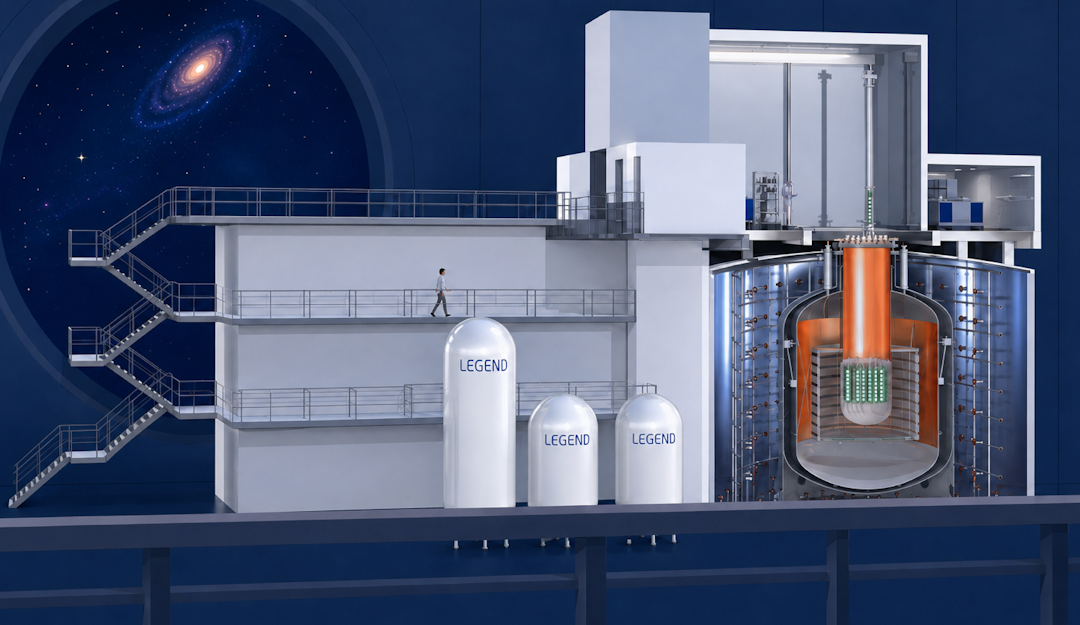
Dr Bernhard Schwingenheuer | Hunting for the Rosetta Stone of Neutrino Physics
Seventy years after their discovery, neutrinos remain one of the most mysterious particles in the universe. These ghostly entities barely interact with anything at all, making them extraordinarily difficult to study. Each second, about 70 billion neutrinos from the Sun reach every square centimetre of Earth, and they pass through the whole planet almost completely unaffected. Understanding these elusive particles could unlock some of the deepest secrets of the cosmos. Physicist Bernhard Schwingenheuer, of the Max Planck Institute for Nuclear Physics in Heidelberg, is one of the scientists leading the charge.
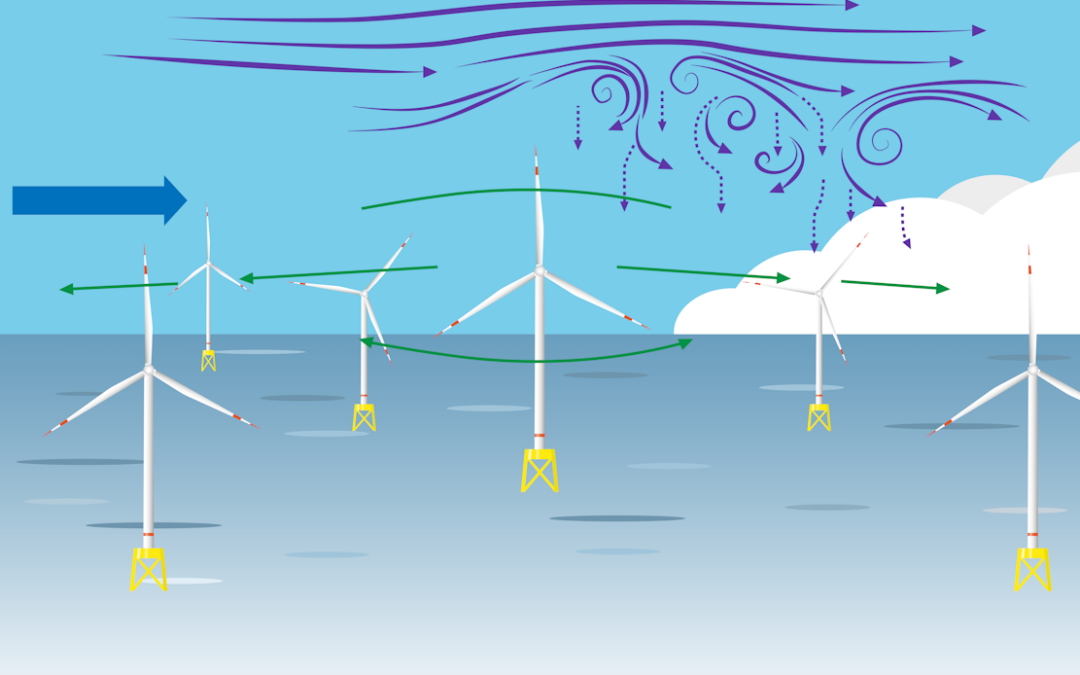
Ole Anders Nøst | Why Bigger Wind Farms Are Less Effective
As climate change accelerates and energy demand continues to rise, countries are racing to replace fossil fuels with cleaner sources of power, such as off-shore wind. In regions such as the North Sea, plans are underway for a dramatic expansion of off-shore turbines, with the hope that wind could supply a large share of Europe’s future power. But how much energy can we realistically extract from the air?
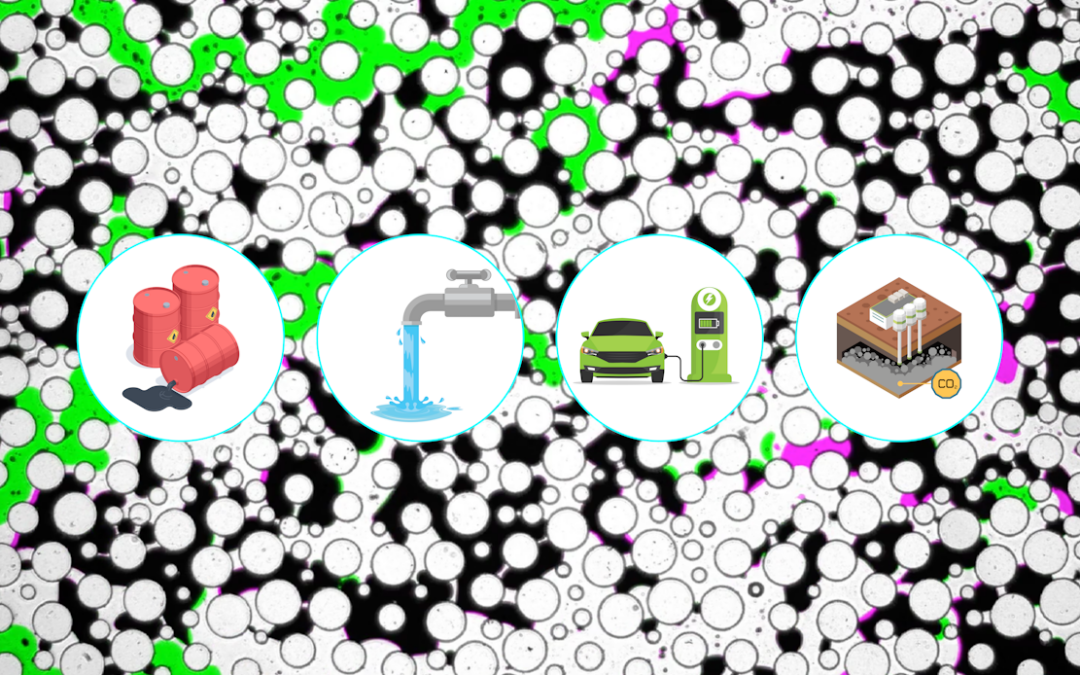
Dr Samaneh Vahid Dastjerdi | Cleaning Oil Spills and Storing Carbon Dioxide: New Insights into Porous Media
Porous media are all around us! From natural materials like soil, sand and rocks, to everyday products like sponges, filters, diapers, and concrete, these materials contain tiny spaces – or pores – that hold liquids or gases. When you soak up water with a sponge, for example, the pores fill with liquid, pushing out the air. The same process happens underground, where porous rocks store water, oil, or even carbon dioxide. Understanding how fluids move through porous materials is essential for solving real-world problems, such as cleaning up oil spills, improving water filtration, developing better batteries for electric cars, and storing gases underground to fight climate change.
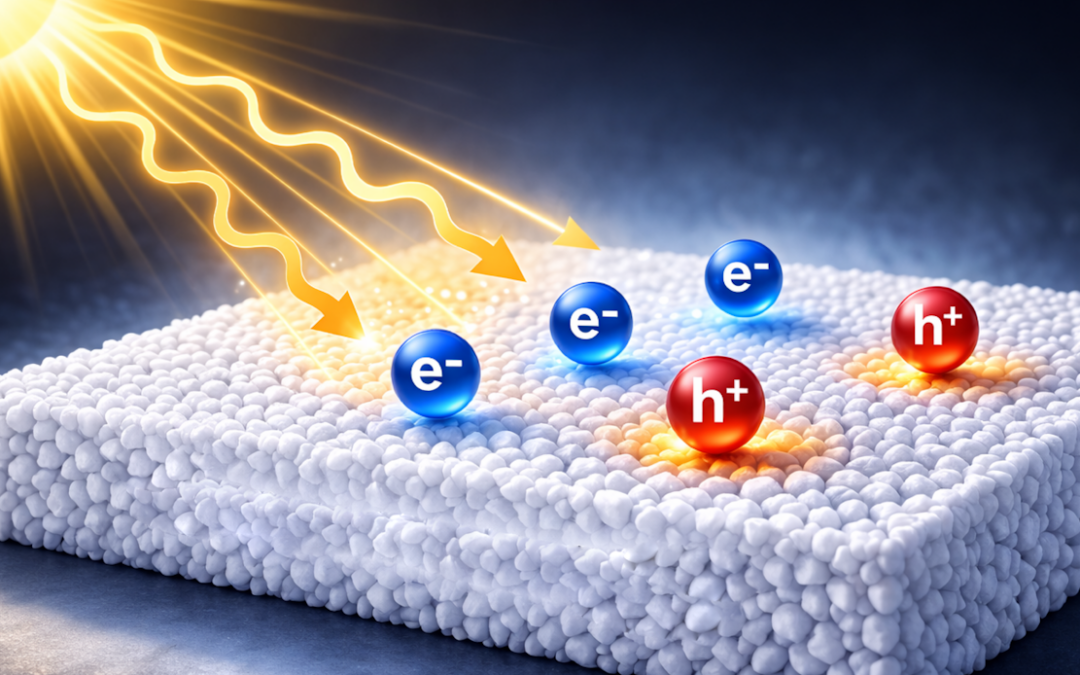
Dr Dimitrios Kotzias | How Light-Activated Coatings Can Tackle Air Pollution
Air pollution is often thought of as an outdoor problem, but the air inside buildings can be just as complex – and sometimes more polluted. Dr Dimitrios Kotzias, former official at the European Commission’s Joint Research Centre, has been exploring how innovative building materials containing semiconductor oxides might actively clean the air we breathe, both outdoors and indoors, using nothing more than light.

Professor Nigel Spooner | Shining a Light on Asbestos: How Fluorescence Technology Could Save Lives
In Australia, asbestos remains a hidden danger in countless buildings, despite being banned more than two decades ago. Roughly one in three homes still contains asbestos, and when materials degrade or are disturbed, the fibres can pose deadly health risks. Each year, about 4,000 Australians die from asbestos-related diseases – a sobering reminder of the urgent need for safer detection methods. A research team led by Professor Nigel Spooner at Adelaide University has been tackling this challenge head-on.

Michael Evans | Statistical Evidence and Statistical Reasoning: Rethinking What Data Really Tell Us
Statistics is everywhere. From clinical trials to particle physics, from economic policy to public health, researchers rely on statistical analyses to determine what the data are telling them. Despite this central role in modern science, there is a striking gap at the heart of the discipline: no universally agreed definition of what statistical evidence actually is. That gap matters. When scientists say ‘the evidence suggests’ or ‘based on the data we conclude’, what exactly do they mean? University of Toronto statistician Michael Evans has spent years arguing that this question is not merely philosophical – it is foundational, and leaving it unanswered has real consequences for scientific reliability.
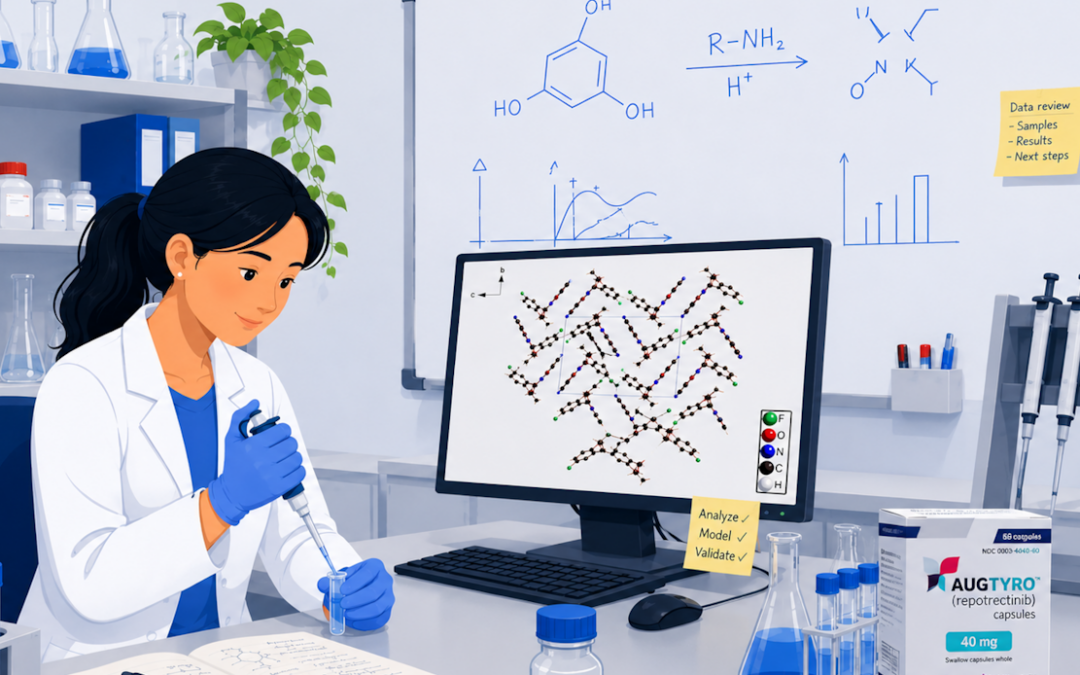
Dr James Kaduk | Mapping a Cancer Drug’s Structure Towards Better Drug Development
Repotrectinib, sold under the brand name Augtyro, is a targeted therapy approved for the treatment of advanced non-small cell lung cancer. Specifically, it blocks a mutated protein called ROS1, which in some patients drives uncontrolled cell growth. It is the kind of precision medicine that has transformed outcomes for certain cancer patients in recent years. Yet until now, the structure of the drug in its pure form had never been reported. That gap has been filled by Dr James Kaduk and colleagues at the International Centre for Diffraction Data.

Dr Michael L. Walker | The Hidden Energy Battle Inside Every Quantum Measurement
In the strange world of quantum mechanics, tiny particles can exist in several states at once. Yet when we measure them, we always get one clear result. This strange jump from “many possibilities” to “one outcome” is known as wavefunction collapse, and it has puzzled physicists for a century. In his paper On the Copenhagen Interpretation of Quantum Measurement, physicist Michael Walker offers a surprisingly simple explanation for how this collapse might naturally happen, without adding new physics or weird assumptions.

Dr. Colin Meyer | Cutting through Ice to Understand the Behavior of Glaciers
Imagine cutting through a stick of butter – you end up with two smaller sticks of butter. Now, try cutting through a block of ice. Under the right conditions, surprisingly, you don’t get two separate pieces. Instead, the ice magically fuses back together, remaining as a single block. This fascinating phenomenon is called regelation. Simply put, regelation happens when pressure causes ice to melt into a thin layer of water, which flows and then refreezes once the pressure is removed.
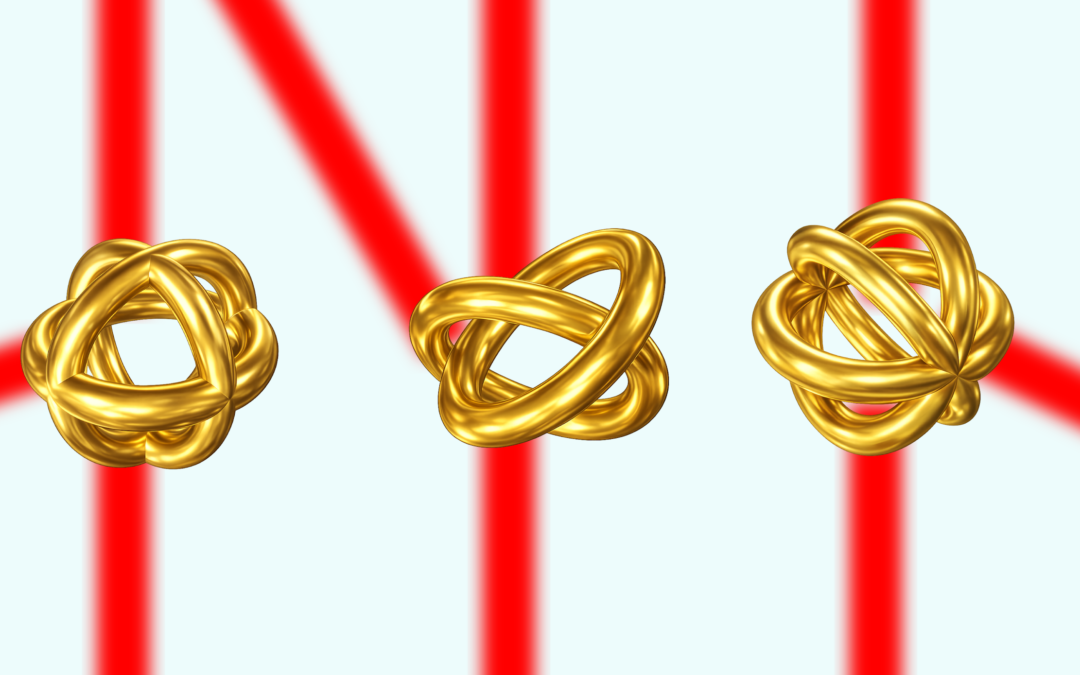
Dr Fatema Alali | How Ring-Shaped Gold Nanoparticles Could Revolutionise Cancer Treatment
Nanoparticles may be tiny, but their potential impact on medicine is enormous. In a new study, researcher Fatema Alali explores how carefully designed gold nanoparticles could make light-based cancer treatments safer, more precise, and more reliable. Her research focuses on how the shape of these particles controls the way they absorb light and turn it into heat – a key process in photothermal therapy.
Stay Up To Date With SciTube