
Urban Design for Safe and Sustainable Cities 2026
An annual Special Edition bringing together published research animations around a shared research theme.

Open for Submissions

Annual Special Edition

Open Access
Special Edition Information
Cities depend on the buildings, infrastructure and technologies that surround us. As urban populations grow and environmental pressures increase, researchers are finding new ways to make the places we live safer, healthier, more resilient and more sustainable.
This Special Edition brings together research exploring innovation across the built environment. From living walls and lessons from informal settlements to cleaner building materials, infrastructure monitoring, geothermal energy and new ways to detect asbestos, the collection highlights how science and engineering can help shape better cities for the future.
Edition Editor

Dr Nelly Berg
Executive Editor

Dr Rolien Terblanche | Designing Living Walls that Can Survive in South African Cities
What does it actually take to build a living wall that survives one of South Africa’s driest, most climatically varied cities, and what would it cost? Those were the questions Rolien Terblanche and colleagues at the University of Cape Town set out to answer, designing a new system for the Western Cape.
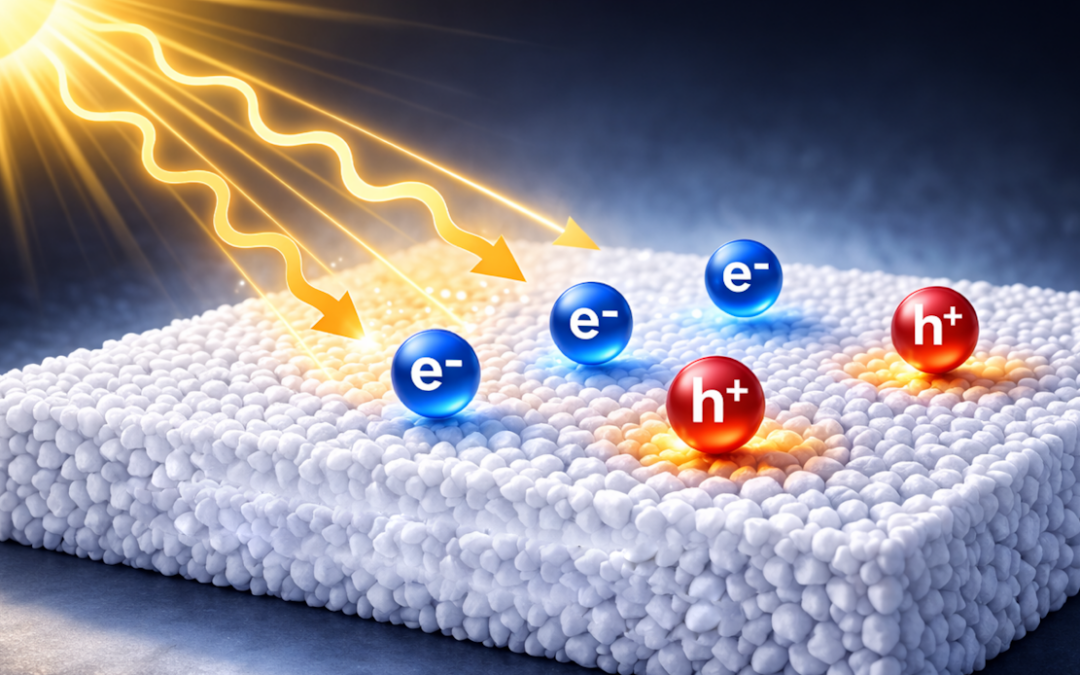
Dr Dimitrios Kotzias | How Light-Activated Coatings Can Tackle Air Pollution
Air pollution is often thought of as an outdoor problem, but the air inside buildings can be just as complex – and sometimes more polluted. Dr Dimitrios Kotzias, former official at the European Commission’s Joint Research Centre, has been exploring how innovative building materials containing semiconductor oxides might actively clean the air we breathe, both outdoors and indoors, using nothing more than light.
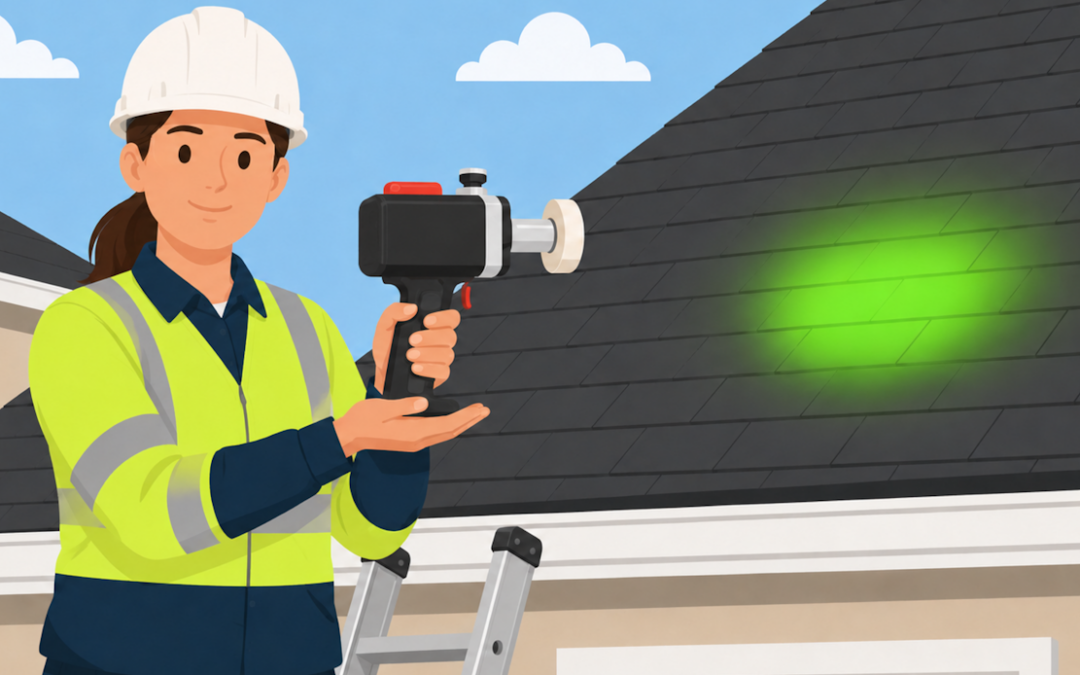
Professor Nigel Spooner | Shining a Light on Asbestos: How Fluorescence Technology Could Save Lives
In Australia, asbestos remains a hidden danger in countless buildings, despite being banned more than two decades ago. Roughly one in three homes still contains asbestos, and when materials degrade or are disturbed, the fibres can pose deadly health risks. Each year, about 4,000 Australians die from asbestos-related diseases – a sobering reminder of the urgent need for safer detection methods. A research team led by Professor Nigel Spooner at Adelaide University has been tackling this challenge head-on.
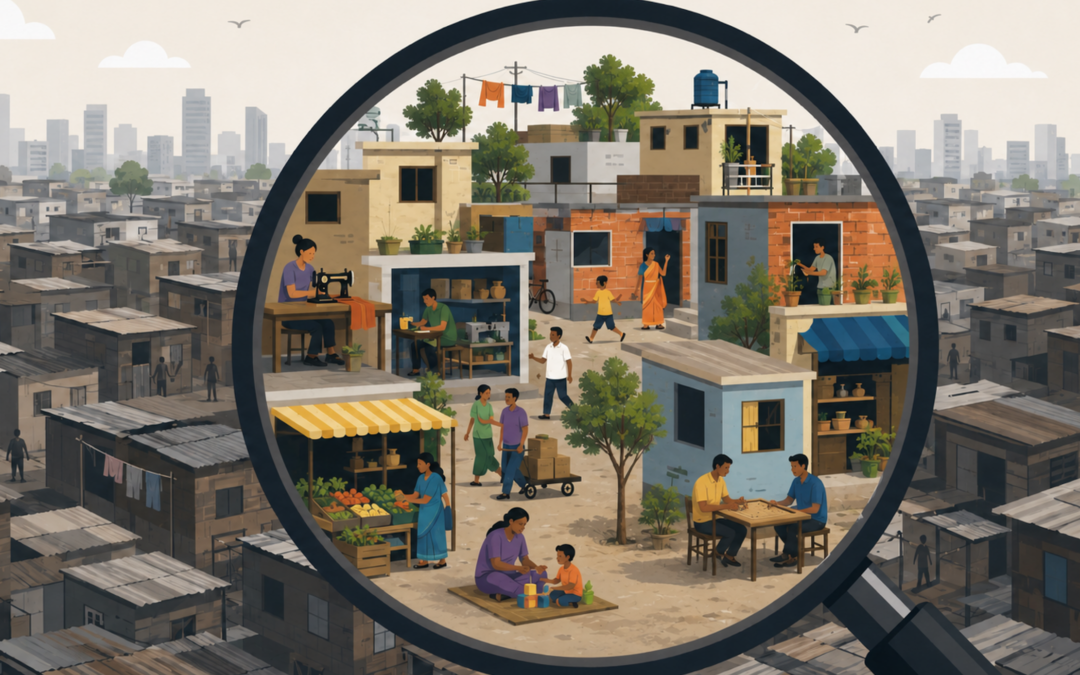
Dr Ayesha Mueller-Wolfertshofer | Learning from the ‘Slum’: The Sustainable City Hidden in Plain Sight
What comes to mind when you think of informal settlements, or so-called ‘slums’? Portrayed negatively in public discourse, governments demolish them to make way for formal housing projects. However, research by Ayesha Mueller-Wolfertshofer at TUM suggests these settlements are actually models of sustainable urban development that should be recognised and supported. Her research focuses on Dharavi, one of the world’s most well-known informal settlements, located in the heart of Mumbai, India.

The GEMS Project: Harvesting Geothermal Energy from Abandoned Mines
Geothermal power is a rapidly developing form of renewable energy, where heat is harvested directly from the Earth’s crust. One potentially abundant source of this energy is water in disused coal mines, which absorbs heat from the surrounding rock. There are thousands of these mines throughout Britain. With the right approach, Durham Energy Institute estimates that there is enough energy within them to meet the heating demands of every building lying over the coalfields. If achieved, this goal would not only be a significant step towards decarbonising the British economy; it could also provide immense benefits to disadvantaged former mining communities in the region.
This video provides information to help you navigate emergency department visits to ensure your loved one receives effective care. The focus will be on how to manage seizure emergencies – either seizures arising for the first time or those caused by epilepsy.

Miguel-Ángel Climent – Jaime Ramis | Identifying Cracks in Corroding Reinforced Concrete Using Ultrasound
Reinforced concrete is a cheap and versatile material that combines the high compressive strength of concrete with the ability to resist stress provided by embedded steel bars. While reinforced concrete can be highly durable, exposure to harsh environments can reduce its lifetime. One of the main threats is the corrosion of the steel bars, which causes solid oxides to build up. As these oxides build up, they put pressure on the concrete, causing cracks to form and grow. Over time, pieces of the outer concrete layer can flake off or separate. As the steel corrodes, it no longer sticks well to the surrounding concrete, and the metal bars become thinner. If left untreated, this can weaken the structure.
About SciTube Special Editions
SciTube Special Editions bring together published research animations around shared themes, creating additional opportunities for discovery, accessibility and dissemination.

How to Cite
Guidance for referencing and citing SciTube research animations.

Editorial Standards
Learn about SciTube’s editorial process, research accuracy and publishing standards.

Publication & Access
Information about publication, accessibility, licensing and dissemination.
Stay Up To Date With SciTube