
The 2022 Prince Mahidol Award Conference: Building the World We Want
About this episode
More episodes
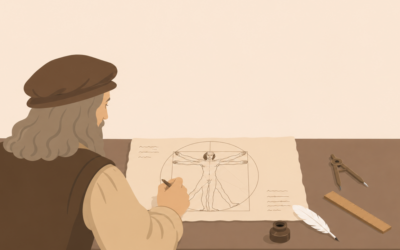
Dr Rory Mac Sweeney | How did Leonardo da Vinci inscribe the human body in both a circle and a square?

Professor Candis M Morello – Professor Jan D Hirsch | Training the Next Generation of Pharmacists for a Changing Healthcare World
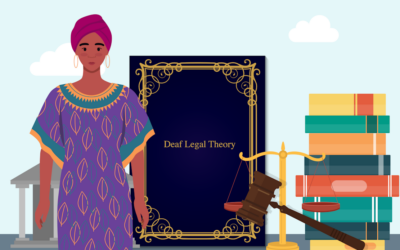
Deaf Legal Theory: Challenging Law’s Hearing Bias

Dr Alessia Manganaro | How a Common Blood Pressure Drug Might Protect Against Trauma
This work is licensed under a Creative Commons Attribution 4.0 International License. 
What does this mean?
Share: You can copy and redistribute the material in any medium or format
Adapt: You can change, and build upon the material for any purpose, even commercially.
Credit: You must give appropriate credit, provide a link to the license, and indicate if changes were made.
Increase the impact of your research
• Good science communication helps people make informed decisions and motivates them to take appropriate and affirmative action.
• Good science communication encourages everyday people to be scientifically literate so that they can analyse the integrity and legitimacy of information.
• Good science communication encourages people into STEM-related fields of study and employment.
• Good public science communication fosters a community around research that includes both members of the public, policymakers and scientists.
• In a recent survey, 75% of people suggested they would prefer to listen to an interesting story than read it.
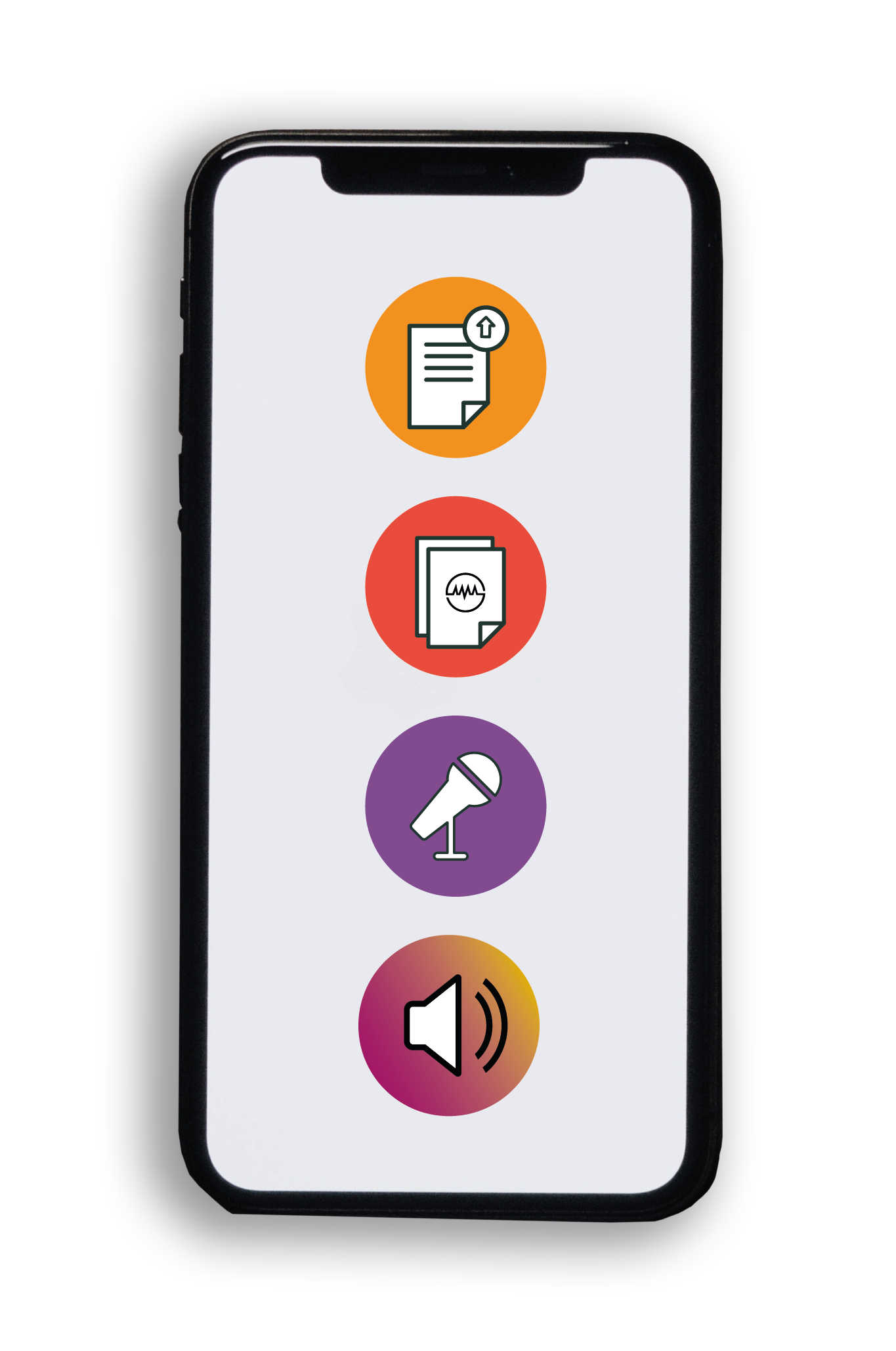
Step 1 Upload your science paper
Step 2 SciPod script written
Step 3 Voice audio recorded
Step 4 SciPod published