
Revolutionising Understanding of the Myometrium to Prevent Preterm Birth
About this episode
Preterm birth refers to the birth of a baby before 37 weeks of completed gestation. An estimated 15 million babies are born prematurely each year and sadly, this prevalence is rising. Approximately 1 million die as a result of premature birth, and those who survive are at risk of lifelong disabilities. Dr Buxton and his team at the University of Nevada, Reno, are studying the role of the smooth muscle of the uterus to elucidate its role in preterm labour and birth.
More episodes
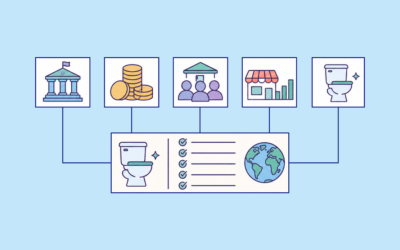
Guy Hutton – Sue Coates | The Case for One Shared Sanitation Assessment Framework
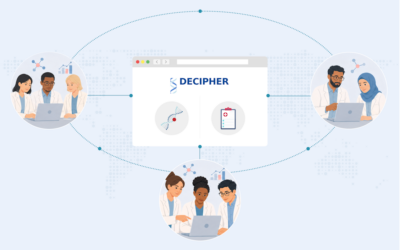
DECIPHER: How Individuals with Rare Genetic Disorders Can Help Build a Global Knowledgebase

Professor Candis M Morello – Professor Jan D Hirsch | Training the Next Generation of Pharmacists for a Changing Healthcare World

Dr Alessia Manganaro | How a Common Blood Pressure Drug Might Protect Against Trauma
This work is licensed under a Creative Commons Attribution 4.0 International License. 
What does this mean?
Share: You can copy and redistribute the material in any medium or format
Adapt: You can change, and build upon the material for any purpose, even commercially.
Credit: You must give appropriate credit, provide a link to the license, and indicate if changes were made.
Increase the impact of your research
• Good science communication helps people make informed decisions and motivates them to take appropriate and affirmative action.
• Good science communication encourages everyday people to be scientifically literate so that they can analyse the integrity and legitimacy of information.
• Good science communication encourages people into STEM-related fields of study and employment.
• Good public science communication fosters a community around research that includes both members of the public, policymakers and scientists.
• In a recent survey, 75% of people suggested they would prefer to listen to an interesting story than read it.
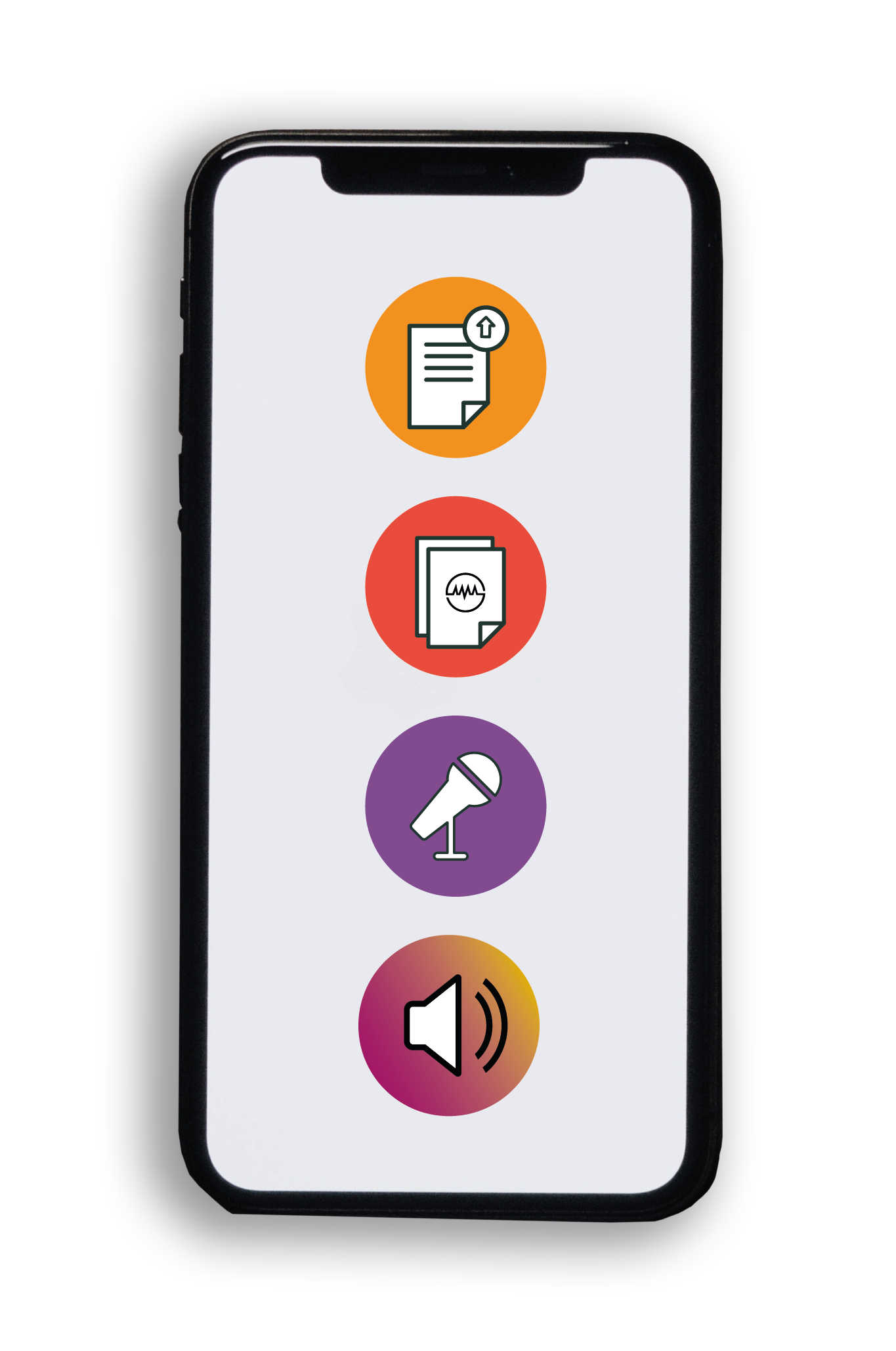
Step 1 Upload your science paper
Step 2 SciPod script written
Step 3 Voice audio recorded
Step 4 SciPod published