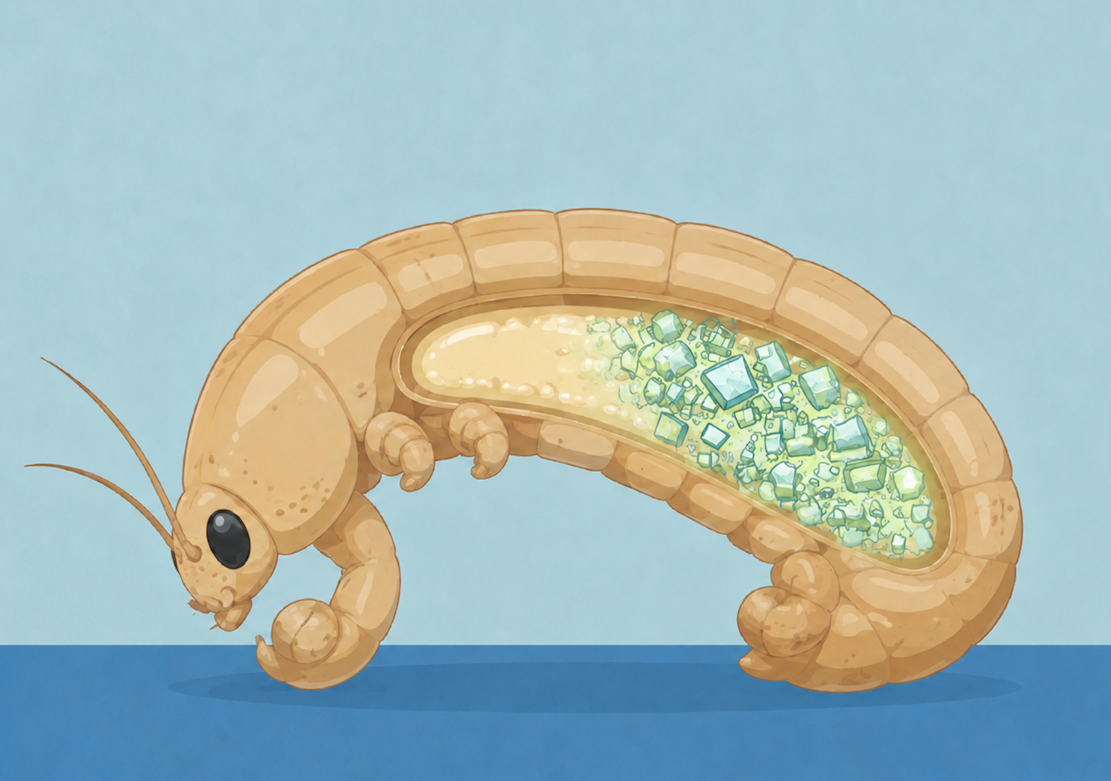
If you’re using a probiotic in your animal feed program and it only contains one specie of Bacillus, you may be leaving a lot of performance on the table. Bacillus is a genus of spore-forming bacteria that has proven to be a cornerstone of animal nutrition for decades, and for good reason. The spores are tough enough to survive the heat and pressure of feed pelleting, resist digestive acid, and arrive alive and active in the intestinal tract where the real work happens. Most other probiotic organisms simply can’t make that journey intact. Read More
Once Bacillus reaches the gut, it gets to work on several fronts at once. It produces enzymes that help break down proteins, starches, and fiber so the animal can absorb more nutrition from every bite of feed.
It also produces compounds called bacteriocins, which are natural antimicrobial proteins that directly inhibit the growth of pathogens like Clostridium perfringens, Salmonella, E. coli, and Enterococcus cecorum. And it works to improve gut barrier function, reducing inflammation and increasing villus height, which expands the surface area available for nutrient absorption.
Now here’s where Natural Biologics does things differently. Most products on the market rely on a single species, typically Bacillus subtilis. Our Max line of products uses four distinct Bacillus species, and each one brings something to the table that the others don’t.
Bacillus subtilis is the workhorse, well known for reducing E. coli and Clostridium perfringens while reinforcing the gut barrier. Bacillus licheniformis also supports gut integrity and increases villus height, improving nutrient absorption and growth rate.
Bacillus amyloliquefaciens adds strong antifungal and antibacterial activity, with primary effectiveness against Clostridia and Salmonella. And Bacillus pumilus contributes powerful immune modulation and antimicrobial action against Salmonella, E. coli, and, in our in vitro testing, Enterococcus cecorum.
When we tested each species individually against field-isolated strains of pathogens, each one showed meaningful inhibition. But when we combined all four species together, that’s when we consistently saw the greatest rate of inhibition, 98 to 100% against Enterococcus cecorum strains isolated from infected chickens in the field.
This four-species approach becomes even more powerful when paired with mannan-oligosaccharides or yeast cell wall. The MOS acts as a targeted prebiotic, stimulating the metabolism of our beneficial Bacillus species while simultaneously binding to pathogenic bacteria like E. coli and Salmonella through their mannose-specific receptors. This binding action prevents pathogens from attaching to the intestinal wall, essentially acting as a decoy to flush harmful bacteria out of the system.
Meanwhile, the beta glucan in yeast cell wall interacts directly with immune cells, particularly macrophages, enhancing the animal’s natural defense mechanisms and improving overall immune response.
A single Bacillus species covers some of the ground. Four targeted Bacillus species, each with its own profile of enzymes, pathogen targets, and mode of action, cover the full spectrum from one end of the intestinal tract to the other. Add in the MOS and beta glucan and you get a comprehensive gut health system where prebiotic support, pathogen binding, immune priming, and beneficial bacteria all work in concert.