Fish farming has become one of the fastest-growing sources of food in the world, providing nearly half of all fish consumed globally. Yet behind this success lies a complex set of challenges. Intensive aquaculture can strain ecosystems, spread diseases, and increase dependence on antibiotics and chemicals that harm both fish and the environment. As climate change and rising demand for seafood put even more pressure on aquatic systems, scientists and producers are searching for smarter, more sustainable ways to farm fish without compromising animal welfare or water quality. Across Europe, a pioneering initiative called BioAqua COST Action, funded by the European Union, is working to meet this challenge. Read More
The project brings together scientists, industry professionals, and policymakers to explore how biomolecular solutions can make aquaculture healthier, safer, and more sustainable. Rather than relying solely on traditional technologies or chemical treatments, BioAqua focuses on biomolecular solutions to solve problems in fish farming. But what is a biomolecular solution?
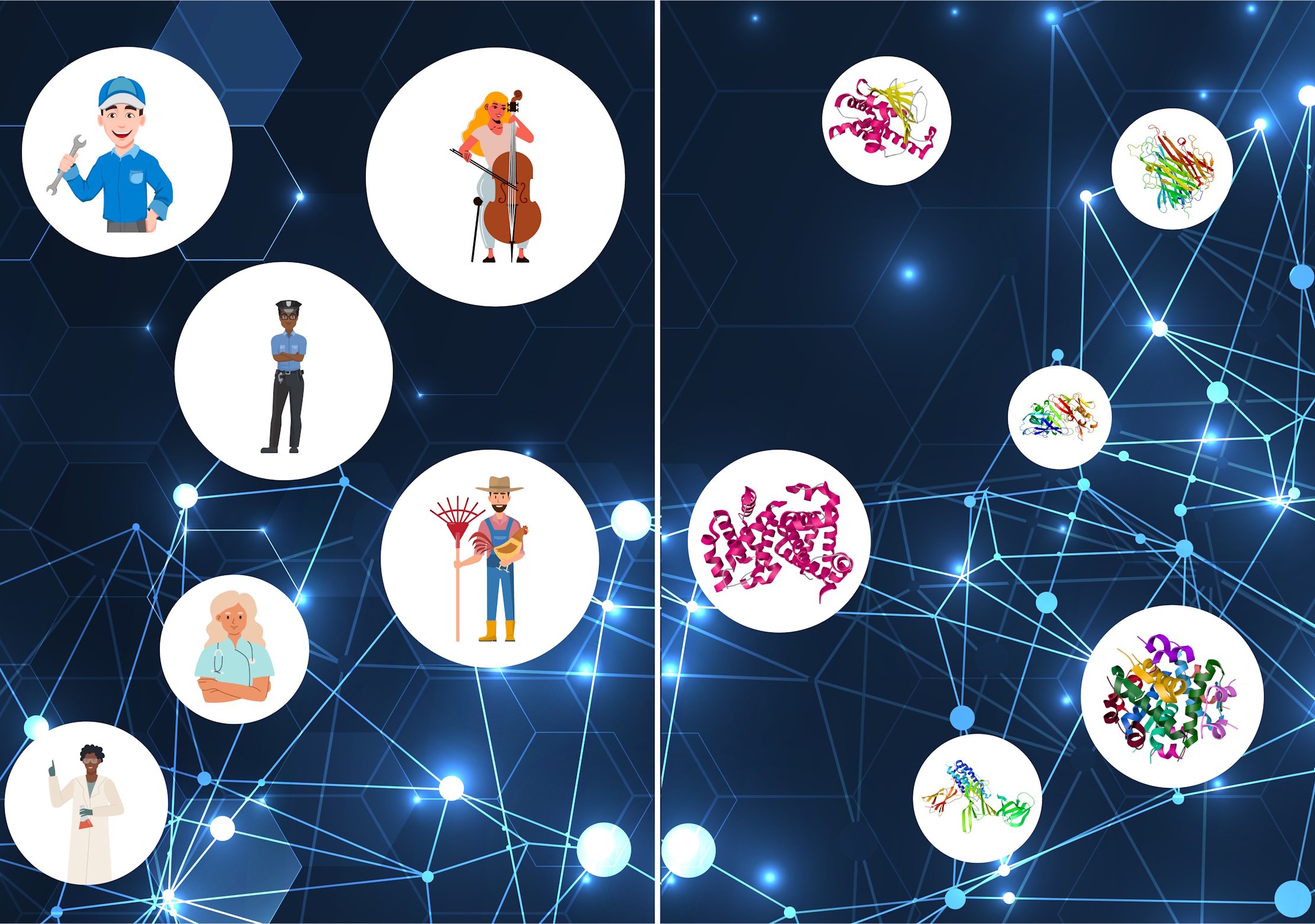
In simple terms, biomolecular solutions use the building blocks of life – such as proteins, DNA, and other natural molecules – to improve fish health and farm performance. Instead of fighting nature, they work with it.
For example, BioAqua researchers in veterinary science describe biomolecular solutions as tools that help fish build stronger immune systems, resist disease, and thrive without antibiotics. These sustainable innovations make aquaculture more efficient while reducing its environmental footprint.
To other experts, a biomolecular solution involves developing feeds that use bioactive molecules to boost growth. Others see biomolecular solutions as a bridge between biology and technology – where insights from molecular science are turned into practical tools for farmers.
These solutions are already taking many forms. Natural bioactive compounds such as polyphenols, flavonoids, and carotenoids from plants and algae act as antioxidants and immune boosters in fish feed. Probiotics like Lactobacillus species strengthen gut health, while viruses called phages provide a natural alternative to antibiotics by targeting harmful bacteria.
Vaccines, including DNA-based ones that protect fish from viral infections like Infectious Hematopoietic Necrosis Virus, are among the most established examples. Other innovations – such as nanocapsules for the controlled release of probiotics, biosensors that detect water contaminants, and genomic tools that track disease-causing genes – illustrate how biomolecular science can transform aquaculture from the inside out.
What unites these diverse approaches is their precision and harmony with nature. Rather than applying chemicals broadly, biomolecular methods target specific biological processes, helping fish stay healthy while reducing waste and pollution. They offer a way to make aquaculture both productive and regenerative – one where the smallest molecules can lead to some of the biggest changes in how we produce food from the sea.