Dr Michael Rosenthal | Revolutionizing 3D-Printing of Wood with Liquid Deposition Modelling

About this episode

Current wood processing techniques rely on subtractive manufacturing, where material is carved away from a block of wood to reach the desired shape. However, this approach is inherently wasteful: producing thousands of tons of wood residue each year in Germany alone. The most promising solution to this problem is additive manufacturing, or 3D printing: where materials are deposited layer-by-layer. With this approach, much of the material involved in the manufacturing process appears in the final product, resulting in far greater material efficiency compared to subtractive manufacturing.

Original Article Reference

Summary of the paper ‘3D printing of a wood‑based furniture element with liquid deposition modeling’, in European Journal of Wood and Wood Products, doi.org/10.1007/s00107-023-01996-7

Contact

For further information, you can connect with Dr Michael Rosenthal at michael.rosenthal@tu-dresden.de

This work is licensed under a Creative Commons Attribution 4.0 International License. Creative Commons License

What does this mean?

Share: You can copy and redistribute the material in any medium or format

Adapt: You can change, and build upon the material for any purpose, even commercially.

Credit: You must give appropriate credit, provide a link to the license, and indicate if changes were made.

READY TO REACH MORE PEOPLE?

Your research could be next.

Turn your findings into an engaging scientific animation, with professional production, publication and active dissemination handled for you.

More episodes

How to communicate complex science

Learn how to communicate complex science clearly and accurately. Seven practical steps for researchers, universities...

SciTube in action

How to get more from research aniamtions

SciTube Insights & Guides / Practical guideHow to get more from your research animationPublishing your video is...

Dr Yvonne Böttcher | How Different Types of Fat Shape Health and Disease

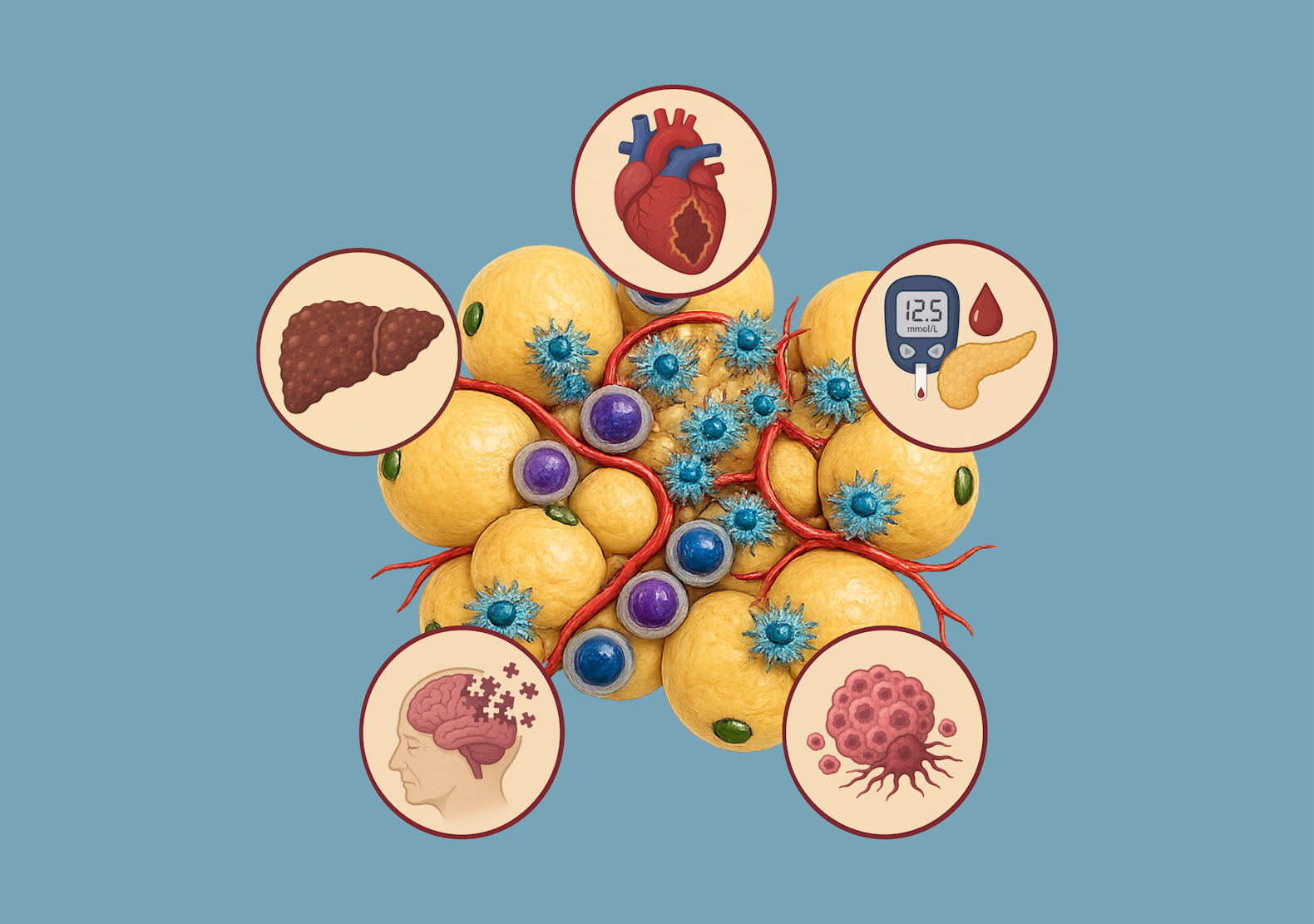
Our bodies store fat in different places. Subcutaneous fat sits just under the skin – this is the fat you can pinch....

Dr Rita Petracca | The Tiny Chemical Tag That Could Change How We Fight Disease

Proteins are the working parts of our cells, built from long chains of building blocks called amino acids. But once a...

Dr. Gary Blau – Dr. Kyle Stephens | More Support, Less Surveillance: Exploring What Keeps Employees Engaged

Researchers have traditionally measured what they called ‘employee workplace deviance’ through visible, in-person...

Stay Up To Date With SciTube

Subscribe to receive our latest videos straight to your mailbox


Follow Us On: