
Materials, Energy & Smarter Design 2026
An annual Special Edition bringing together published research animations around a shared research theme.

Open for Submissions

Annual Special Edition

Open Access
Special Edition Information
Many of the challenges facing society depend on how effectively we can design, build and use the materials and technologies around us. Advances in engineering can improve infrastructure, reduce environmental impacts and make existing systems safer and more efficient.
This Special Edition brings together research exploring innovative materials, energy systems, engineering methods and applied technologies. The collection highlights how scientific understanding can be translated into practical solutions for the built environment, industry and everyday life.
Edition Editor

Dr Nelly Berg
Executive Editor

Guy Hutton – Sue Coates | The Case for One Shared Sanitation Assessment Framework
Imagine trying to fix a leaky pipe without knowing where the leak is, or even what the pipe looks like. That’s roughly the challenge facing governments and investors trying to improve sanitation services across the world’s poorer countries. Billions of people still lack access to safe toilets, and the money needed to change that is falling badly short. A new review by Guy Hutton and Sue Coates sets out, for the first time, just how many tools exist to help diagnose the problem, and why so few of them are working as well as they could.

Dr Solly Lebelo – Dr Tranos Zuva | How Mathematics Can Make Gas Combustion Safer
Every time natural gas ignites on a kitchen hob or powers an industrial furnace, a complex chain of chemical reactions unfolds in fractions of a second. Now, Dr Solly Lebelo and Dr Tranos Zuva, both based at Vaal University of Technology in South Africa, have developed a detailed mathematical model to better understand exactly what happens during that process – and what could go dangerously wrong.

Dr Rolien Terblanche | Designing Living Walls that Can Survive in South African Cities
What does it actually take to build a living wall that survives one of South Africa’s driest, most climatically varied cities, and what would it cost? Those were the questions Rolien Terblanche and colleagues at the University of Cape Town set out to answer, designing a new system for the Western Cape.
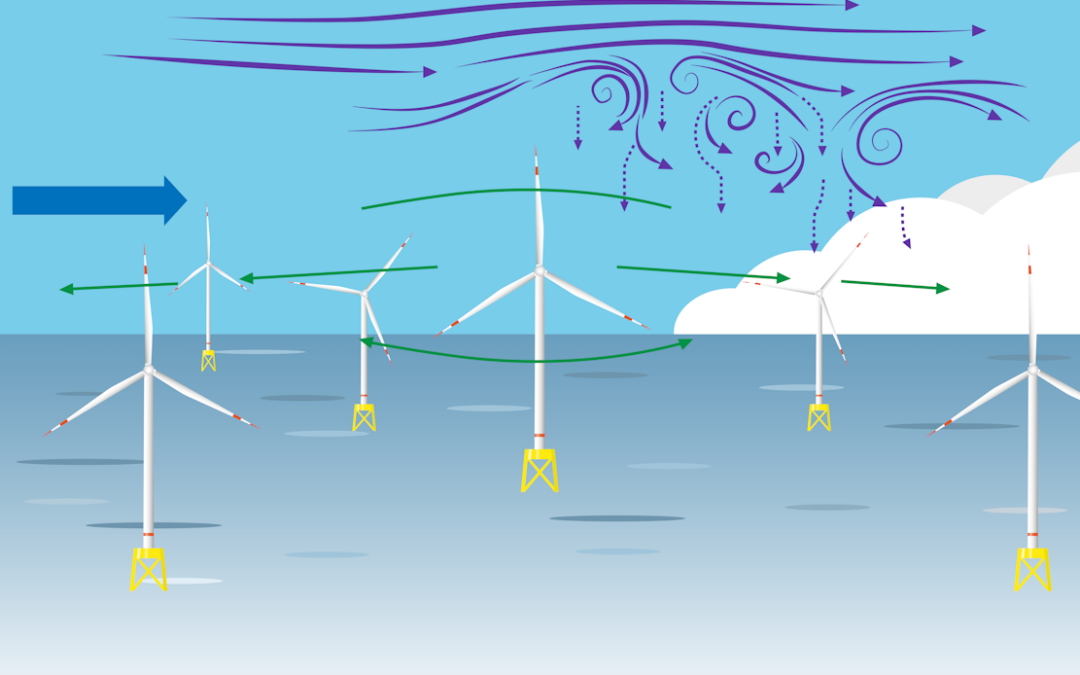
Ole Anders Nøst | Why Bigger Wind Farms Are Less Effective
As climate change accelerates and energy demand continues to rise, countries are racing to replace fossil fuels with cleaner sources of power, such as off-shore wind. In regions such as the North Sea, plans are underway for a dramatic expansion of off-shore turbines, with the hope that wind could supply a large share of Europe’s future power. But how much energy can we realistically extract from the air?

Dr Samaneh Vahid Dastjerdi | Cleaning Oil Spills and Storing Carbon Dioxide: New Insights into Porous Media
Porous media are all around us! From natural materials like soil, sand and rocks, to everyday products like sponges, filters, diapers, and concrete, these materials contain tiny spaces – or pores – that hold liquids or gases. When you soak up water with a sponge, for example, the pores fill with liquid, pushing out the air. The same process happens underground, where porous rocks store water, oil, or even carbon dioxide. Understanding how fluids move through porous materials is essential for solving real-world problems, such as cleaning up oil spills, improving water filtration, developing better batteries for electric cars, and storing gases underground to fight climate change.
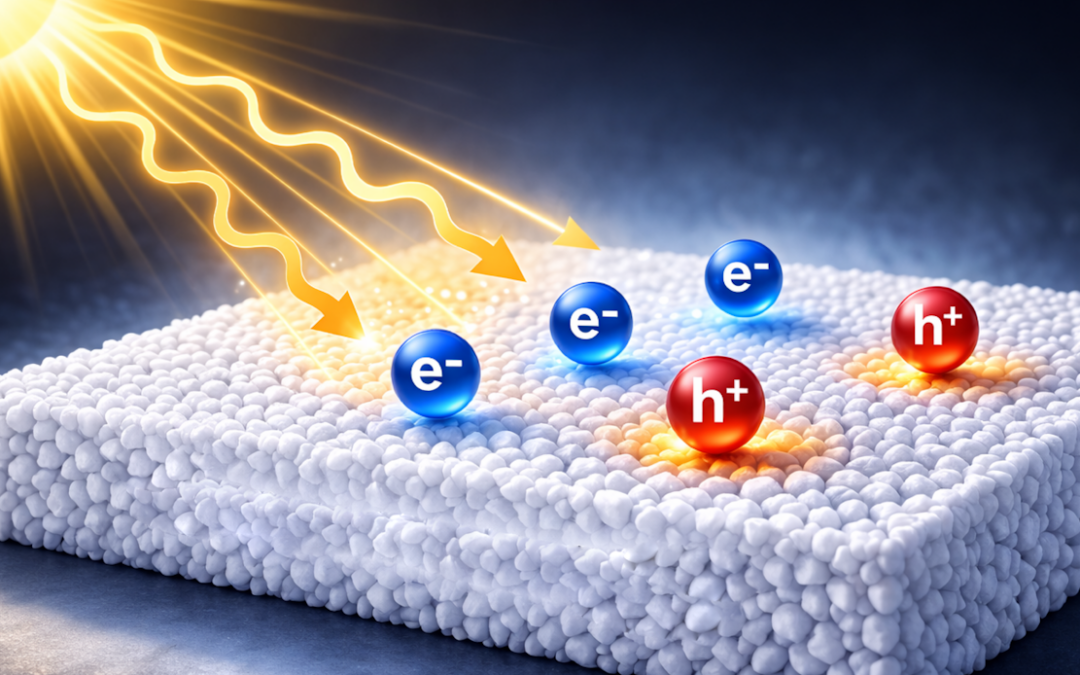
Dr Dimitrios Kotzias | How Light-Activated Coatings Can Tackle Air Pollution
Air pollution is often thought of as an outdoor problem, but the air inside buildings can be just as complex – and sometimes more polluted. Dr Dimitrios Kotzias, former official at the European Commission’s Joint Research Centre, has been exploring how innovative building materials containing semiconductor oxides might actively clean the air we breathe, both outdoors and indoors, using nothing more than light.

Dr Yevgenia Chvertko | Welding Art: The Ukrainian Researchers Joining Steel and Sculpture
When Ukrainian sculptor Serhii Minakov set out to create ‘Into the Future’ – a towering steel artwork featuring a young man and woman inside a globe – he ran into a problem familiar to anyone who has tried to weld complex sculptures: how do you make a strong, clean joint when you can only reach it from one side?

Higher Performing Steel and Sections for a Modern Energy Grid
As climate change accelerates and our demand for electricity increases, our existing electricity networks will need to be fundamentally restructured. Steel pylons are a vital part of the electricity grid – supporting the transmission lines that carry electricity from energy sources to local distribution networks. Traditionally, these pylons are made from a steel grade S355, which has a steel strength of 355 MPa.
About SciTube Special Editions
SciTube Special Editions bring together published research animations around shared themes, creating additional opportunities for discovery, accessibility and dissemination.

How to Cite
Guidance for referencing and citing SciTube research animations.

Editorial Standards
Learn about SciTube’s editorial process, research accuracy and publishing standards.

Publication & Access
Information about publication, accessibility, licensing and dissemination.
Stay Up To Date With SciTube