
Living With a Changing Planet 2026
An annual Special Edition bringing together published research animations around a shared research theme.

Open for Submissions

Annual Special Edition

Open Access
Special Edition Information
Environmental change is reshaping the relationship between people, ecosystems and the resources on which societies depend. Responding effectively requires understanding not only the natural world, but also the technologies, behaviours and decisions that influence it.
This Special Edition brings together research exploring climate change, resilience, conservation, oceans, agriculture, sustainable cities and environmental governance. Together, these studies highlight new ways of understanding and responding to the challenges of living on a changing planet.
Edition Editor

Dr Nelly Berg
Executive Editor
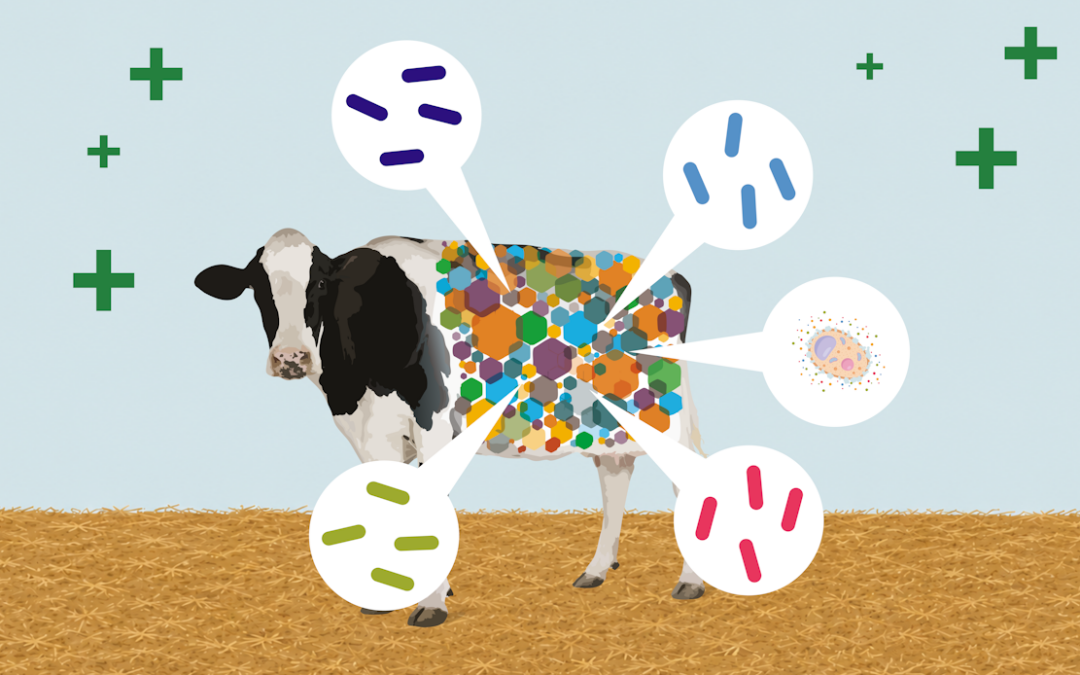
Stacking Bacillus Species for Better Performance
If you’re using a probiotic in your animal feed program and it only contains one specie of Bacillus, you may be leaving a lot of performance on the table. Bacillus is a genus of spore-forming bacteria that has proven to be a cornerstone of animal nutrition for decades, and for good reason. The spores are tough enough to survive the heat and pressure of feed pelleting, resist digestive acid, and arrive alive and active in the intestinal tract where the real work happens. Most other probiotic organisms simply can’t make that journey intact.

STUOD: Predicting the Oceans in a Warming World
Climate change is changing our oceans in ways that we are still working to understand. The sea absorbs vast amounts of heat and carbon, and even more so as the global temperature rises. But predicting how that energy moves through the ocean – and what it means for climate, sea level, marine life, and weather – remains a major scientific challenge. The international research project STUOD is working to address this.
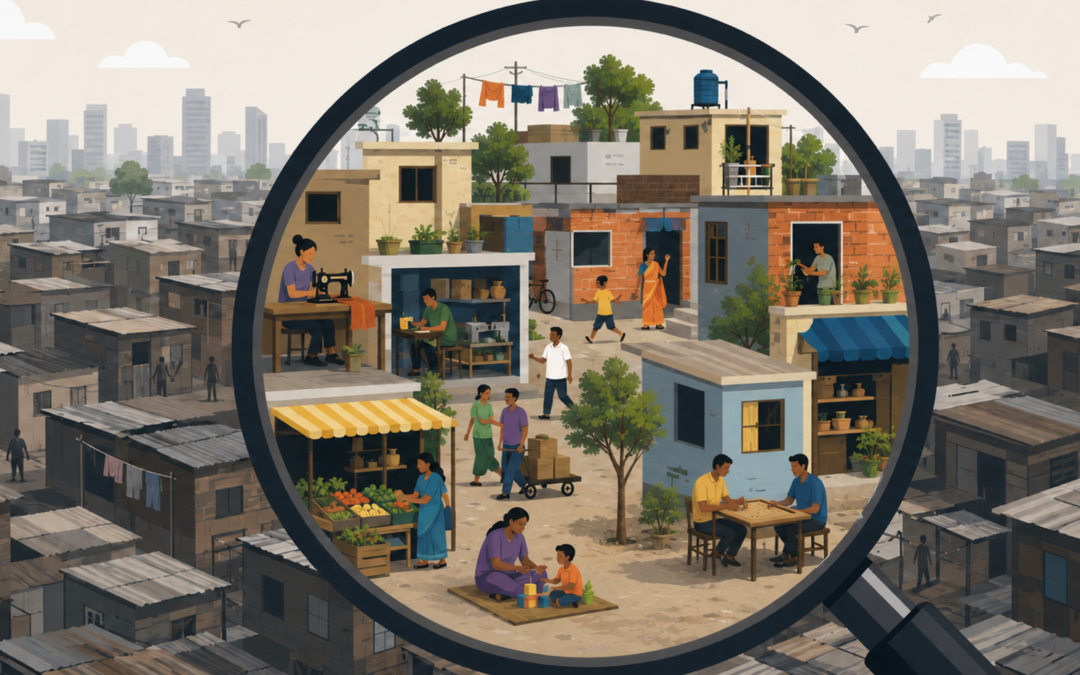
Dr Ayesha Mueller-Wolfertshofer | Learning from the ‘Slum’: The Sustainable City Hidden in Plain Sight
What comes to mind when you think of informal settlements, or so-called ‘slums’? Portrayed negatively in public discourse, governments demolish them to make way for formal housing projects. However, research by Ayesha Mueller-Wolfertshofer at TUM suggests these settlements are actually models of sustainable urban development that should be recognised and supported. Her research focuses on Dharavi, one of the world’s most well-known informal settlements, located in the heart of Mumbai, India.
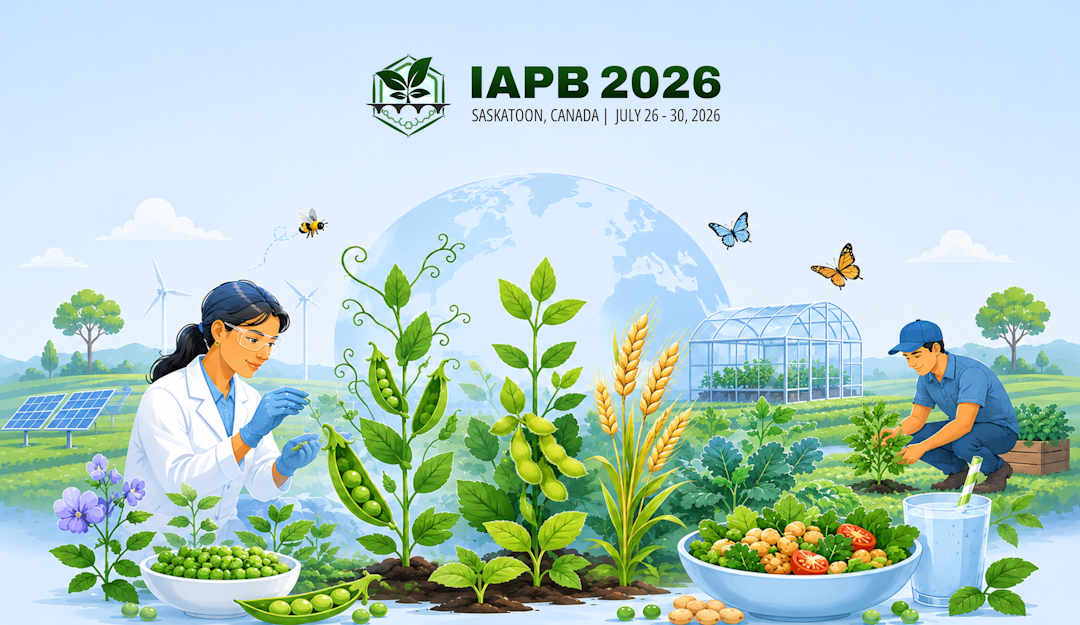
IAPB – Seeds of Innovation: The Science Driving Sustainable Agriculture
Since its beginnings in 1963 as the International Association for Plant Tissue Culture, the International Association for Plant Biotechnology (IAPB) has helped shape the field of modern plant science. The IAPB brings together researchers and innovators from around the world. A major upcoming event is the IAPB 2026 Congress, taking place in Saskatoon, Canada, from July 26–30. Led by Dr. Pankaj Bhowmik, the organization’s 16th President, the Congress will welcome over 300 participants from more than 30 countries.

Dr. Colin Meyer | Cutting through Ice to Understand the Behavior of Glaciers
Imagine cutting through a stick of butter – you end up with two smaller sticks of butter. Now, try cutting through a block of ice. Under the right conditions, surprisingly, you don’t get two separate pieces. Instead, the ice magically fuses back together, remaining as a single block. This fascinating phenomenon is called regelation. Simply put, regelation happens when pressure causes ice to melt into a thin layer of water, which flows and then refreezes once the pressure is removed.
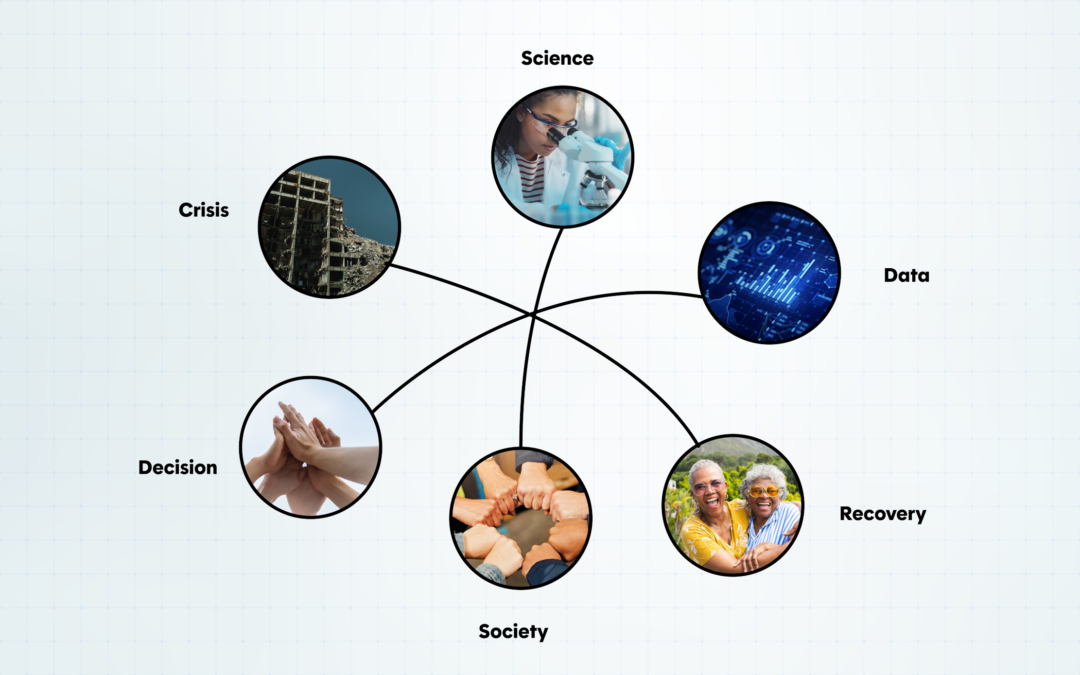
Dr Sriram Iyengar | Resilience Informatics
Pandemics! Heatwaves! Floods! Droughts! We live in an age of overlapping crises. Climate change is intensifying. Acute, short-term stressors and chronic, long-term stressors damage physical and mental health. Such stressors are not going away. We need to develop resilience to these stressors. But what IS resilience?

Dr Andrea Haefner | How Civil Society Groups Are Speaking Up for the Mekong River
The Mekong River is one of Southeast Asia’s great lifelines, supporting more than 65 million people and sustaining extraordinary biodiversity. Yet it is also a river under immense pressure, as countries along its banks pursue rapid economic growth and increasingly turn to hydropower to meet rising energy demands. In her research, Dr Andrea Haefner of Griffith University examines how civil society groups are shaping debates about the future of this vital waterway and whether they can influence decisions around controversial dam projects in Laos and the wider Mekong region. Her research offers a rare window into the difficult politics of water governance in an authoritarian-leaning region, where environmental concerns, community voices and national ambitions often collide.

Dr Pilar Garcia-Jimenez – Dr Rafael Robaina | How Jumping Genes Help Seaweeds Survive Climate Stress
Seaweeds play a vital role in coastal ecosystems, providing food, habitat, and carbon storage. As oceans warm and conditions become more unpredictable due to climate change, understanding how seaweeds cope with stress is increasingly important. Research by Pilar Garcia-Jimenez and Rafael Robaina at the University of Las Palmas de Gran Canaria points to an unexpected source of resilience hidden in seaweed DNA.
Dr Luca Nitschke | A Social-Ecological Model of How Daily Routines Intertwine with Nature
Everyday activities such as gardening or commuting might not seem like they have much to do with global environmental crises – but a new study led by Luca Nitschke argues otherwise. He and his colleagues, Lukas Sattlegger and Immanuel Stieß at the Institute for Social-Ecological Research (ISOE), introduced the idea of ‘social-ecological practices’ to show how our daily routines are deeply connected to the integrity of the natural world.

Healthy Streams, Stronger Farms: A Conservation Plan for the Mississippi Alluvial Valley
The streams and rivers of the Mississippi Alluvial Valley were once teeming with life. In the early 1800s, naturalist John J. Audubon described beautiful waters “covered with thousands of geese and ducks, and filled with fish.” Now, after more than a century of human activity, many of these waterways are struggling.
About SciTube Special Editions
SciTube Special Editions bring together published research animations around shared themes, creating additional opportunities for discovery, accessibility and dissemination.

How to Cite
Guidance for referencing and citing SciTube research animations.

Editorial Standards
Learn about SciTube’s editorial process, research accuracy and publishing standards.

Publication & Access
Information about publication, accessibility, licensing and dissemination.
Stay Up To Date With SciTube