
Improving Treatment, Recovery & Care 2026
An annual Special Edition bringing together published research animations around a shared research theme.

Open for Submissions

Annual Special Edition

Open Access
Special Edition Information
Effective healthcare is about more than developing new treatments. It also depends on helping people recover, manage long-term conditions and receive care that reflects their individual needs and circumstances.
This Special Edition brings together research exploring new approaches to treatment, recovery and clinical care. From infectious and respiratory disease to addiction, neurological conditions and healthcare delivery, the collection highlights research aimed at improving both medical outcomes and the experience of care.
Edition Editor

Dr Nelly Berg
Executive Editor

DECIPHER: How Individuals with Rare Genetic Disorders Can Help Build a Global Knowledgebase
Attempts at disease diagnosis are often hindered by a frustratingly thin trail of evidence: a single patient, a single unusual variant, and no easy way to know whether anyone else in the world has seen the same thing. DECIPHER, a free platform hosted at EMBL’s European Bioinformatics Institute, exists to help expert clinicians and researchers alleviate this problem. First launched in 2004, DECIPHER brings together genomic variants and clinical symptoms from rare disease patients worldwide.

Professor Candis M Morello – Professor Jan D Hirsch | Training the Next Generation of Pharmacists for a Changing Healthcare World
The pharmacy profession has undergone significant transformation. Pharmacists perform many disease management activities including screening and treating high blood pressure, diabetes, and high cholesterol. There are over 100 pharmacy career pathways for pharmacists. As pharmacists take on more direct patient care responsibilities – beyond the traditional roles of compounding and dispensing – the need for skilled clinicians, educators and researchers within the field has never been greater. A pioneering team at the University of California San Diego’s Skaggs School of Pharmacy and Pharmaceutical Sciences, led by Professors Candis Morello and Jan Hirsch, has worked to meet that need head-on.
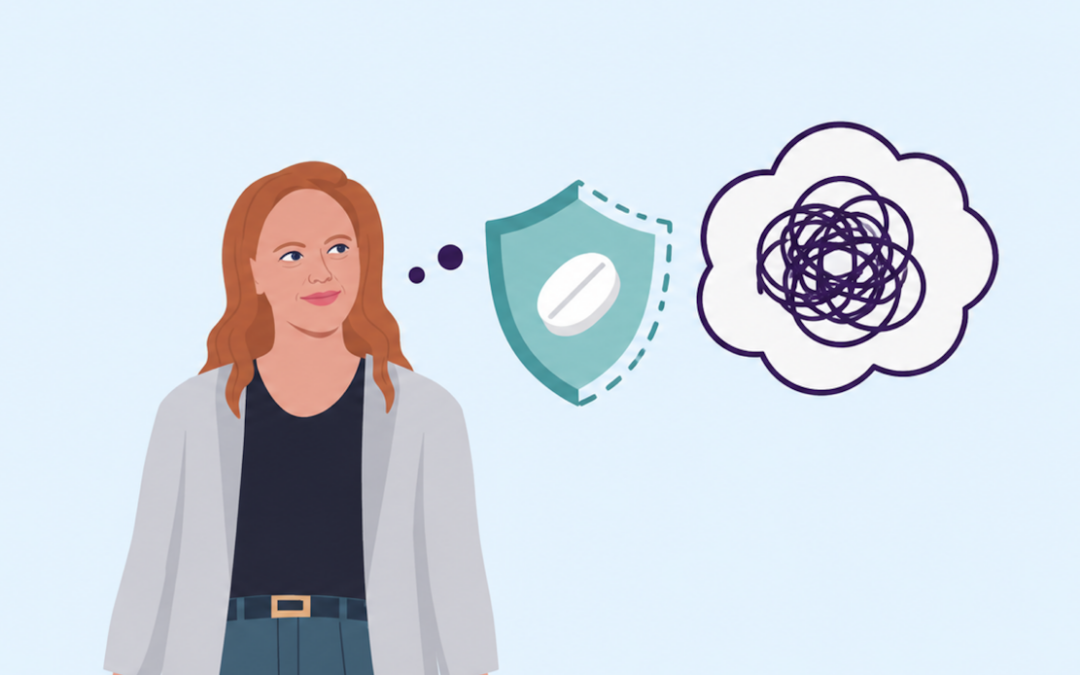
Dr Alessia Manganaro | How a Common Blood Pressure Drug Might Protect Against Trauma
A single traumatic event can leave the brain primed to react far more strongly to future stress, and this phenomenon underlies conditions such as PTSD. A new mouse study, led by Alessia Manganaro at Columbia University, suggests a common heart medication given around the time of that first trauma might stop this priming from taking hold.

Dr Camilo Sanz | How Access to Assisted Dying Can Improve Life for Seriously Ill Patients
When anthropologist Camilo Sanz’s father was diagnosed with incurable Multiple Myeloma at 79, a form of blood cancer, his doctors offered a stark choice: continue aggressive chemotherapy or face the possibility of painful decline. He chose neither path exactly. Instead, he withdrew from treatment and secured access to euthanasia, legal in Colombia since 1997. Eleven years later, he is still alive. This surprising outcome became the starting point for Sanz’s study, published in Medical Anthropology Quarterly. He asked why simply knowing euthanasia was available seemed to change how his father lived, long before any procedure took place.

Jon Palmer | Tracheostomy Ventilation in MND: Insights from Patients, Families and Clinicians
Motor neurone disease (MND), also known as ALS, causes progressive muscle weakness that eventually affects breathing. When wanting help to support their breathing the majority of people with MND in the UK use non-invasive ventilation. A small number consider a tracheostomy for longer-term ventilation support. Tracheostomy ventilation – or TV – involves placing a tube through the neck into the windpipe to support breathing by a ventilator.

Dr Brent Iverson | Why a Key COVID-19 Antiviral Is Still Working After Years of Use
When antiviral drugs are widely used, resistance usually follows. Viruses mutate, treatments lose strength, and scientists scramble to adapt. That pattern has been seen with influenza, HIV, and many other infections. When the anti-viral drug Paxlovid was rolled out globally to treat COVID-19, many experts expected that the virus would eventually evolve ways to evade it. But several years on, meaningful resistance has not taken hold. In two closely connected studies, Dr Brent Iverson and colleagues set out to understand why. Their findings suggest that the virus may be more constrained than many had assumed – and that those constraints are helping Paxlovid remain effective.
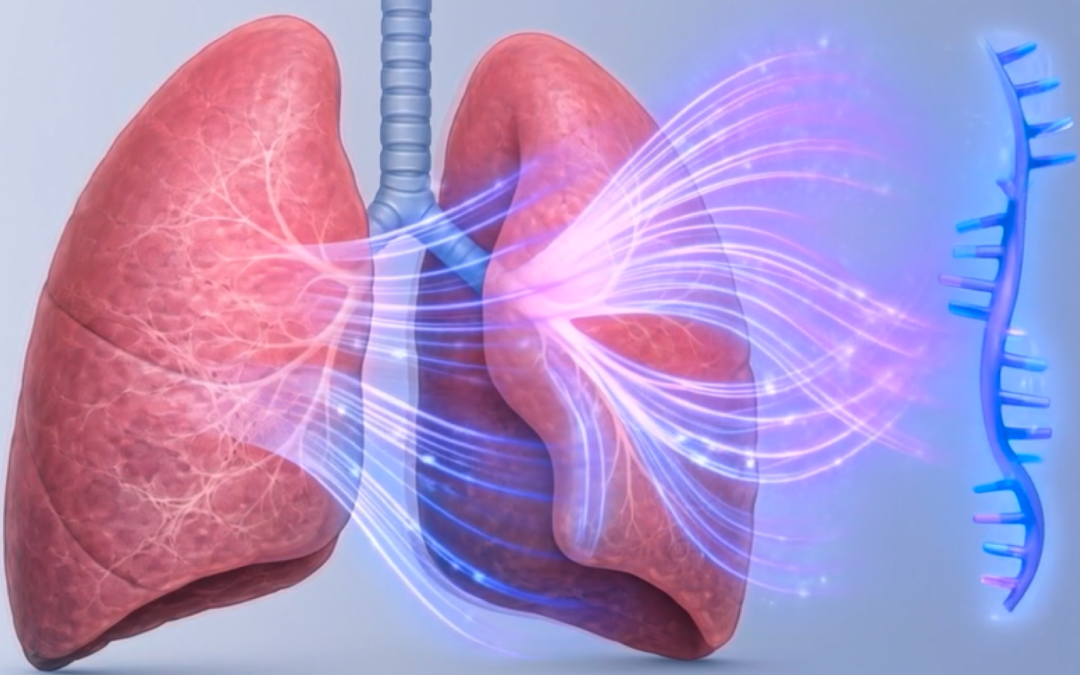
Prof. Christian Bär – Dr. Shambhabi Chatterjee | Rewinding the Clock on Lung Disease: A Potential New RNA Therapy for Pulmonary Fibrosis
Pulmonary fibrosis is a devastating disease in which lung tissue becomes scarred and stiff, making it harder to breathe. The outlook for patients remains poor, with many surviving only a few years after diagnosis. Current treatments can slow the damage, but they cannot reverse it. New research by the team of Prof. Christian Bär and Dr. Shambhabi Chatterjee of Hannover Medical School and their colleagues explore a promising alternative – one that works at the level of our cells’ biological ‘aging clock’.
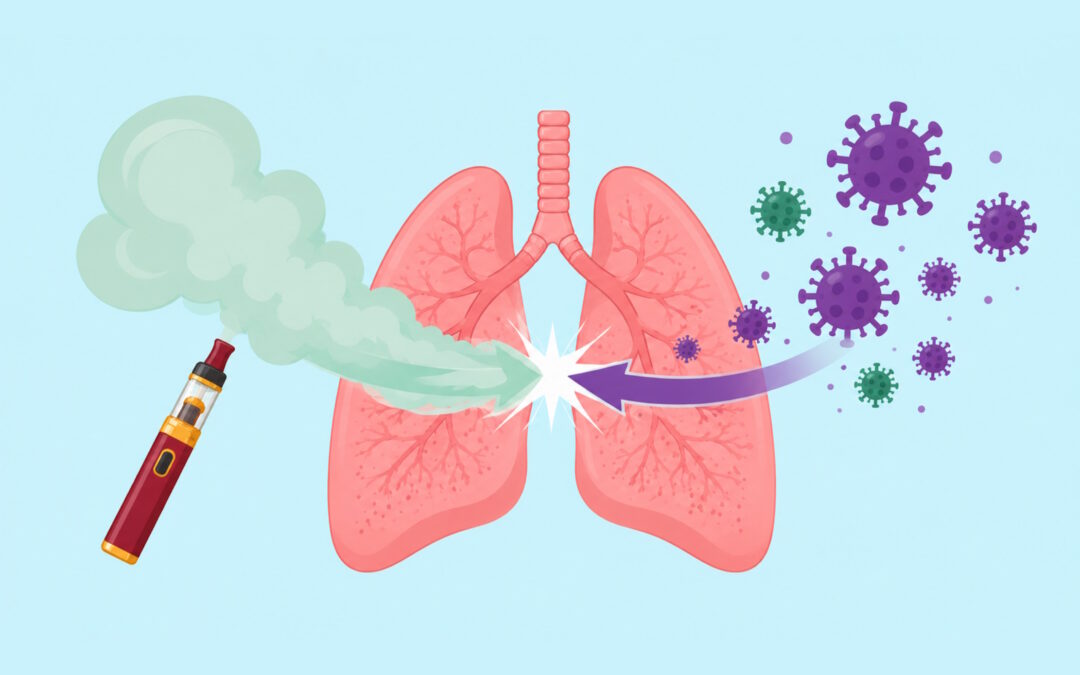
Rob Onyenwoke | How Vaping Can Make Your Lungs More Vulnerable to Infection
Electronic cigarettes have been marketed as a safer alternative to traditional tobacco, but a growing body of research is painting a more troubling picture. Two studies from North Carolina Central University, conducted by Rob Onyenwoke and colleagues, suggest that vaping doesn’t just harm the lungs on its own – it may also make them far more vulnerable when infection strikes.

Lena Queen | Why Supporting Healthcare Staff Is the Key to LGBTQIA+ Health Equity
When we talk about improving healthcare for LGBTQIA+ communities, the conversation usually focuses on policy, training, and access to services. But Mx. Lena Queen, a therapist and wellness educator with over 23 years of experience, argues that we are missing a critical piece of the puzzle: the emotional and mental wellbeing of the providers themselves. In their recent paper, Queen makes the case that healthcare providers cannot genuinely support LGBTQIA+ patients if they are burnt out, exhausted, or working within systems that ignore their own needs.

Dr. Mark Greenwald | The NET Device™: A New Tool to Help People Recover from Opioid Addiction
For people trying to stop using opioids, the most dangerous point in recovery often comes right at the start. Withdrawal can arrive quickly and fiercely, bringing physical pain, severe anxiety, sleeplessness, and intense cravings. Even when someone is deeply motivated to quit, these symptoms can overwhelm their resolve and lead them back to use. New research led by Dr. Mark Greenwald at Wayne State University is investigating a novel way to ease this early hurdle.
About SciTube Special Editions
SciTube Special Editions bring together published research animations around shared themes, creating additional opportunities for discovery, accessibility and dissemination.

How to Cite
Guidance for referencing and citing SciTube research animations.

Editorial Standards
Learn about SciTube’s editorial process, research accuracy and publishing standards.

Publication & Access
Information about publication, accessibility, licensing and dissemination.
Stay Up To Date With SciTube