
How We Think, Feel & Perform 2026
An annual Special Edition bringing together published research animations around a shared research theme.

Open for Submissions

Annual Special Edition

Open Access
Special Edition Information
How we think, feel and respond to the world is shaped by a complex interaction between cognition, emotion, experience and environment. These processes influence everything from learning and decision-making to resilience, memory and performance.
This Special Edition brings together research exploring the mechanisms behind human and animal cognition, emotional life, behaviour and performance. Together, the research offers new perspectives on how minds adapt, learn, decide and function across different circumstances and stages of life.
Edition Editor

Dr Nelly Berg
Executive Editor

Dr. Gary Blau – Dr. Kyle Stephens | More Support, Less Surveillance: Exploring What Keeps Employees Engaged
Researchers have traditionally measured what they called ‘employee workplace deviance’ through visible, in-person behaviors: arriving late, lingering over coffee, damaging equipment. But so much work now happens through online screens. Meetings unfold over video, conversations move through messaging apps, and documents live in shared drives rather than filing cabinets. Most of us have quietly checked a phone during a video call or lost twenty minutes to a shopping site between emails. New research from Dr. Gary Blau and Dr. Kyle Stephens of Temple University suggests these moments may deserve an additional look, not automatically as proof of employee laziness, but as a response to a workplace that has changed faster than the tools we use to understand it.
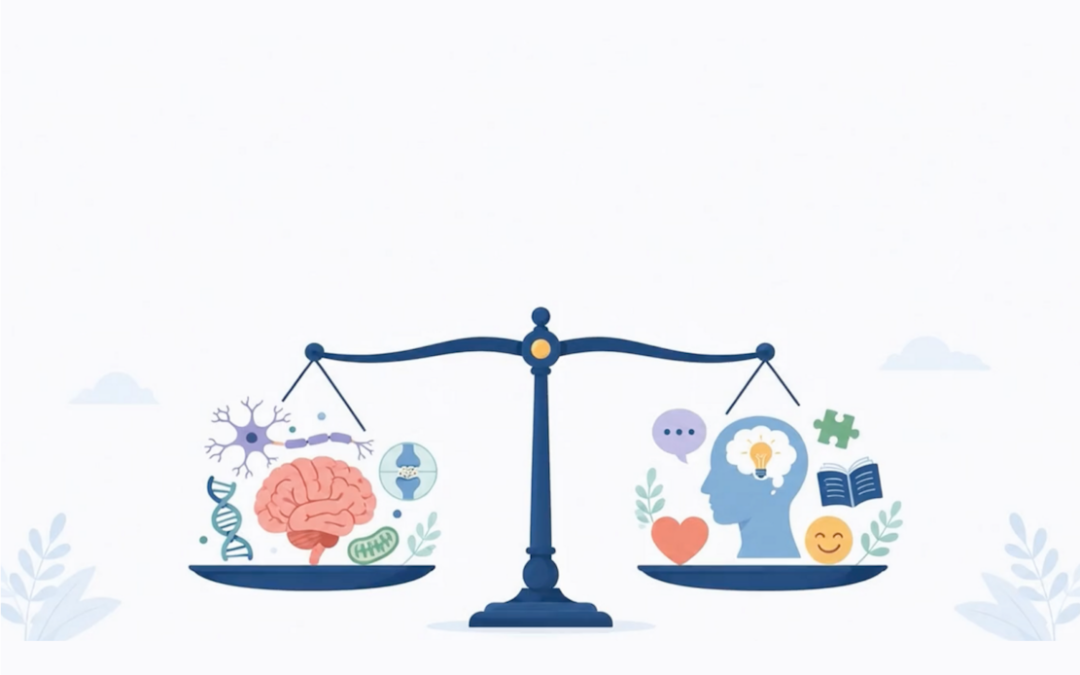
Professor Helen Lavretsky | Building a Resilient Brain: What New Research Reveals About Aging Well
Aging well isn’t just about the body; it’s about the brain, too. A major new review led by Professor Helen Lavretsky of UCLA argues that ‘brain health’ deserves the same attention we give heart health, and that building resilience may be one of our best tools for preventing depression, anxiety and dementia in later life. Lavretsky and her co-authors describe brain health as a dynamic balance between the brain’s biology and a person’s cognitive and emotional life.

Dr. Leonie Brummer | Digital Awareness: The Missing Piece of Online Life
Most of us use digital technology every day – for work, shopping, socialising, and keeping up with the news. But how many of us really stop to think about what we’re doing online, why we’re doing it, and what the consequences might be? That’s the question at the heart of new research by researcher Leonie Brummer at Utrecht University, who argues that being truly at home in the digital world requires something deeper than skills alone.

Dr. Lillian Xu – Dr. Seth D. Pollak | Playing It Safe: How Parental Unpredictability Shapes Children’s Willingness to Learn
The idea that children learn best when they feel secure may seem obvious, but new research from the University of Wisconsin–Madison shows just how deeply a child’s trust in their parents shapes their willingness to explore. Led by Lillian Xu and Seth Pollak, the study reveals that children who feel their parents are less reliable explore less – even when exploring is vital to learning and personal growth.

Dr. Deon Brown | Understanding How African Americans Navigate Emotional Expression
Human emotions are universal. But how freely people express them – and to whom – is shaped by culture, history, and lived experience. For African Americans, that shaping has a particular weight: centuries of racism and oppression have made emotional expression not just a personal matter, but a protective and sometimes strategic one. Understanding how Black Americans navigate this reality is not only a matter of psychological interest – it has real implications for mental health, education, and family life. This is the territory explored by Dr. Deon Brown and his colleagues at the University of Houston, Virginia Commonwealth University, American Jewish University, and Michigan State University.
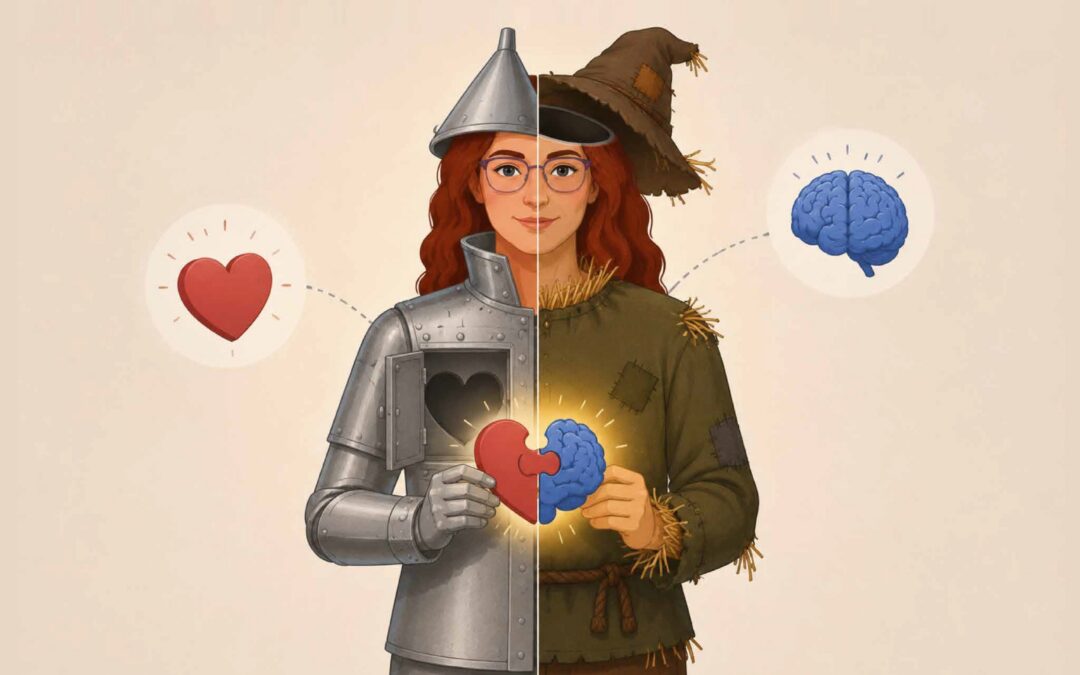
Professor Daniel S Levine | Why Reason Needs Emotion: Uncovering the Science Behind Better Decisions
For centuries, we’ve been told a story about ourselves: that reason is noble and emotion is messy; that to think clearly, you need to keep your feelings firmly under control. It’s a story that has shaped science, politics, economics, and culture. But what if it’s simply wrong? That’s the central argument of psychologist and neuroscientist Daniel Levine from the University of Texas at Arlington in his book: Healing the Reason-Emotion Split.

The NTLGroup Cognitive Systems Platform: From Cognitive Recovery to Real-World Performance
What if the problem is not whether someone has ability… but whether they can reliably access that ability when it matters? Traditional models tend to separate cognitive recovery from performance enhancement. But many people fall in between. They may function well at baseline, yet lose consistency under stress, fatigue, or increasing demand. NTLGroup developed the Cognitive Systems Platform to close this gap. Rather than training isolated skills, the platform focuses on the underlying system conditions that make reliable cognition possible: coordination, stability, efficiency, regulation, and access.
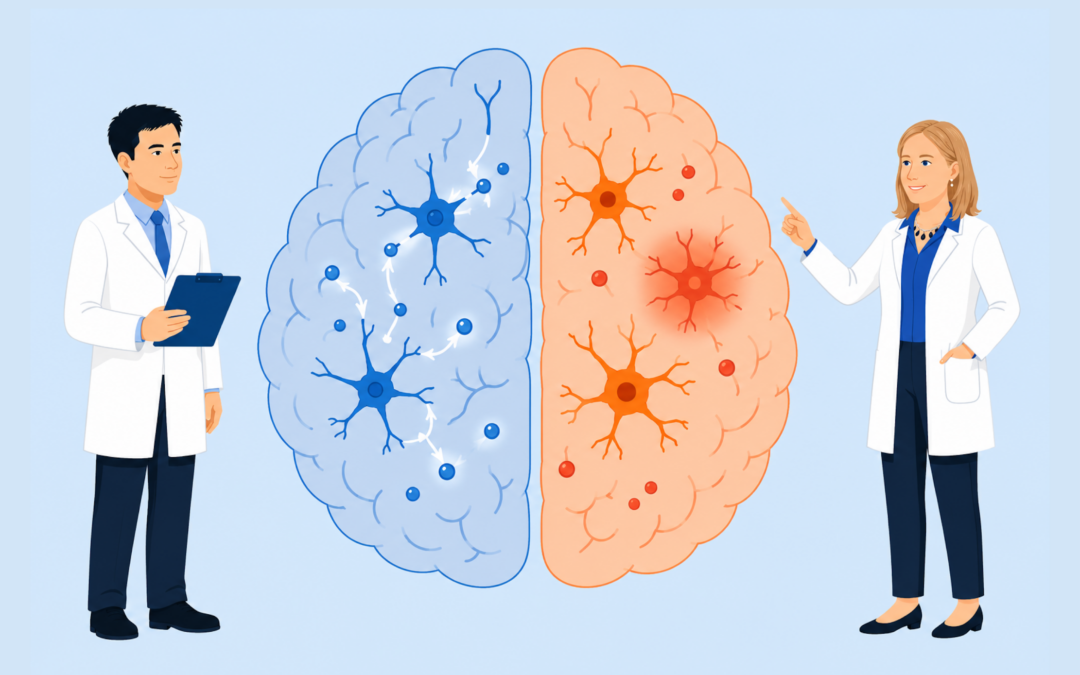
Dr. Xiaolei Zhu – Dr. Barbara Slusher | A New Approach to Depression Treatment Targets Brain Immune Cells
Depression affects nearly one in five Americans at some point in their lives. Sadly, for roughly a third of patients, standard antidepressants simply don’t work. Now, researchers at Johns Hopkins University School of Medicine believe they may have found a promising new path forward – one that targets the brain’s own immune cells. Dr. Xiaolei Zhu, Dr. Barbara Slusher, and their colleagues have been investigating why the brain’s resident immune cells, called microglia, appear to go into overdrive in people with major depressive disorder.
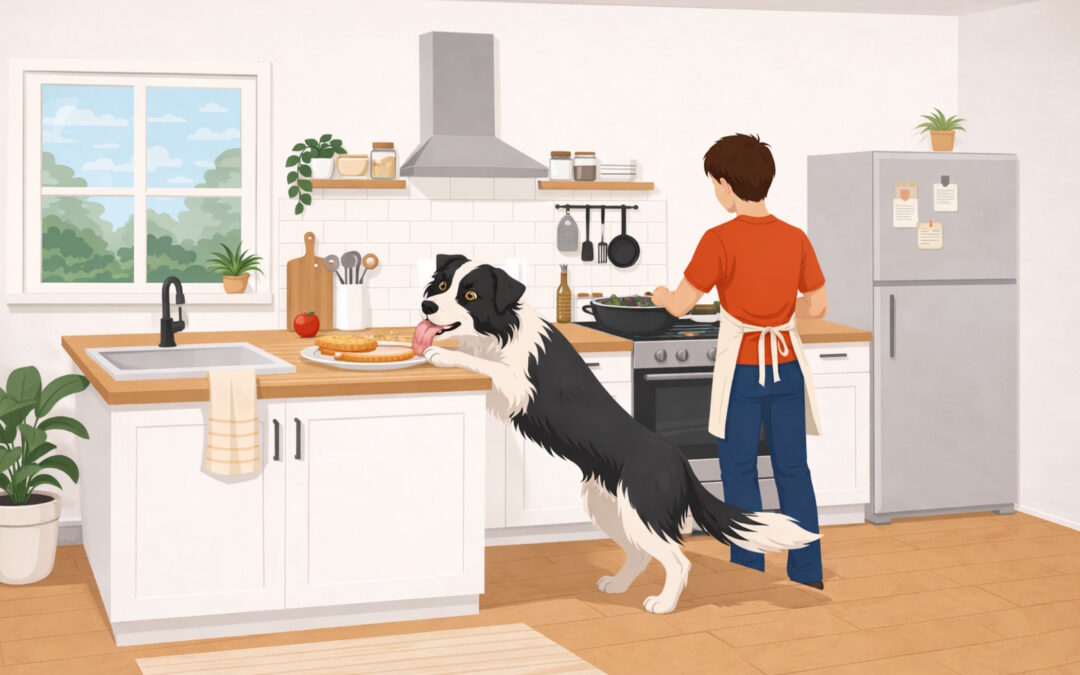
Dr Ludwig Huber | How Dogs Remember Your Perspective, to Steal Without Getting Caught
What goes through a dog’s mind when your back is turned? According to new research from the University of Veterinary Medicine Vienna, the answer might surprise you. A study led by cognitive scientist Ludwig Huber suggests that dogs are capable of something remarkably sophisticated: anticipating what a person can see, even when that person is nowhere in sight.

Dr. Missy Thompson | Uncovering the Science Behind Elite Ice Climbing
Ice climbing is one of the most dramatic winter sports, with athletes swinging axes into frozen walls and hauling themselves skyward on vertical sheets of ice. But behind the spectacle lies a science of movement, endurance and strength that is only starting to be explored. Research led by Dr. Missy Thompson at Fort Lewis College takes a close look at the biomechanics of elite ice climbers, revealing what separates top performers from the rest.

Memory, Aging, and the IQity® NeuroTimeLine™ Advantage
Most people assume memory loss is a natural and unavoidable part of getting older. But modern neuroscience tells a very different story. Your brain can regain clarity, restore memory, and even reverse age-related decline – when we understand what is actually changing beneath the surface. As we age, most memory difficulties do not come from brain damage or neuron loss. They come from declining neural efficiency. Brain rhythms slow and lose precision. Communication between key networks becomes less coordinated. Emotional and stress load adds internal “noise”. Together, these shifts make it harder to encode new information and retrieve what we already know – even when the memories are still there.
About SciTube Special Editions
SciTube Special Editions bring together published research animations around shared themes, creating additional opportunities for discovery, accessibility and dissemination.

How to Cite
Guidance for referencing and citing SciTube research animations.

Editorial Standards
Learn about SciTube’s editorial process, research accuracy and publishing standards.

Publication & Access
Information about publication, accessibility, licensing and dissemination.
Stay Up To Date With SciTube