
How Life Works: Cells, Genes & Metabolism 2026
An annual Special Edition bringing together published research animations around a shared research theme.

Open for Submissions

Annual Special Edition

Open Access
Special Edition Information
Life depends on countless processes taking place at scales we rarely see. Genes are expressed, cells specialise, nutrients are processed and biological systems continually respond to changes within and around them.
This Special Edition brings together research exploring the cellular, genetic and metabolic mechanisms that make life possible. The studies examine development, evolution, ageing, disease, digestion and biological regulation, providing new insights into how living systems function and what happens when those systems change.
Edition Editor

Dr Nelly Berg
Executive Editor
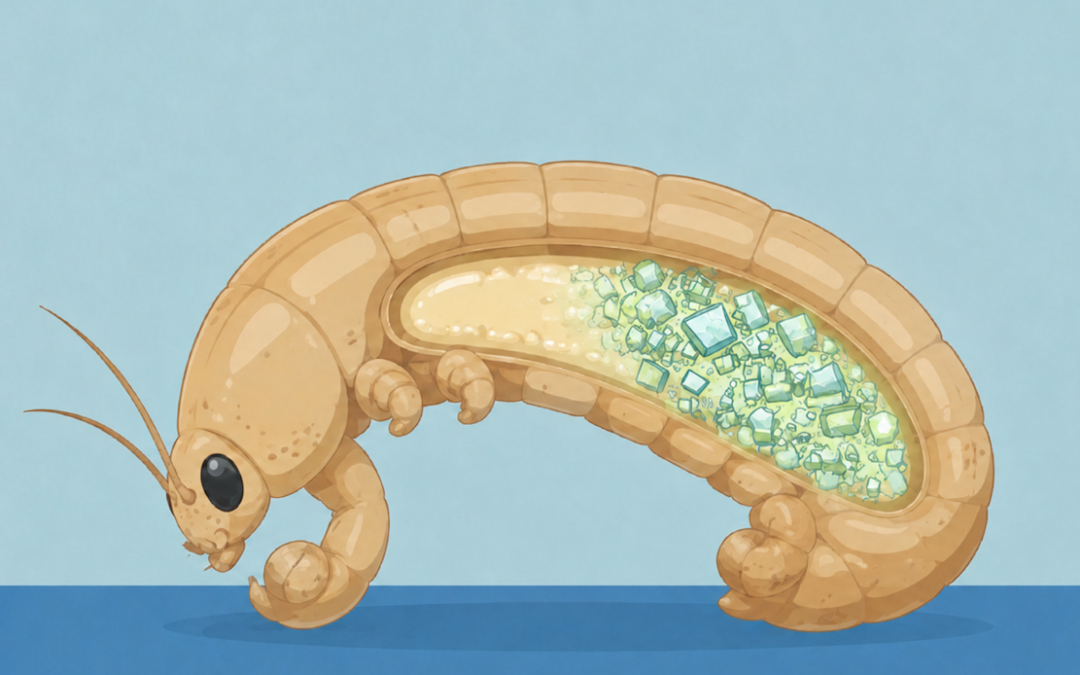
Cockroach Milk: Understanding Nature’s Weirdest Superfood
It started, as good science often does, with someone noticing something weird. A decade before ‘cockroach milk’ made headlines, a researcher spotted odd, shiny crystals in the gut of a baby cockroach and assumed they were waste – crystals in guts usually are. He was wrong; they turned out to be… protein!

Dr Ádám Soós | Revealing the Secret Map Inside Birds That Guides Immune Cells
Deep inside a developing bird’s body, an unassuming organ is hard at work building a sophisticated immune system. Known as the bursa of Fabricius, it is where B cells – the immune cells responsible for producing antibodies – are born and trained. While scientists have long understood its importance, new research is revealing just how finely tuned and dynamic this environment really is. Recent work led by Ádám Soós and Emőke Szőcs at Semmelweis University offers a closer look at how B cells navigate this tiny but complex structure.
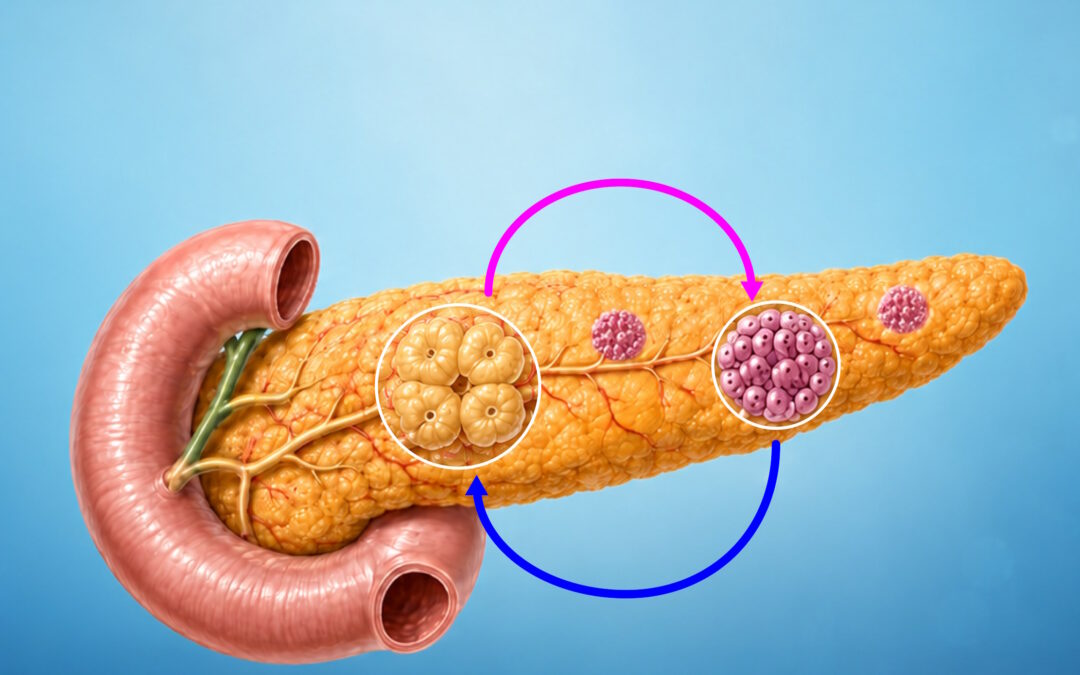
Professor Kateryna Pierzynowska – Professor Stefan Pierzynowski | Uncovering the Feedback Loop that Could Rewrite Diabetes Science
The pancreas is best known for producing insulin, the hormone that keeps blood sugar in check. But a growing body of research suggests this organ has been hiding a secret – one that could reshape how we understand and treat type 2 diabetes. At the heart of this story is a digestive enzyme called amylase. Normally associated with breaking down starch, amylase is produced by the exocrine part of the pancreas – the side responsible for digestion, as distinct from the insulin-producing side. For decades, these two sides were studied almost in isolation. Kateryna Pierzynowska and Stefan Pierzynowski of Lund University have spent years arguing that this is a mistake.

Dr. Jamie Rausch | Exploring How Fat Tissue Shapes Health Across a Lifetime
For decades, fat tissue was treated as little more than the body’s storage cupboard – a place where excess calories were tucked away for later use. But research from Dr. Jamie Rausch, Assistant Professor of Nursing at Indiana University, is helping to overturn that simplistic view. Fat, or adipose tissue, is now understood to be one of the body’s most active and influential biological systems, constantly sending chemical signals that shape metabolism, inflammation, and long-term health.

Dr Vedrana Bali – Dr Vladimir Grubišić | How Enteric Glia Shape Health and Disease
The human gut is more than a long tube for digesting food – it is one of our body’s largest and busiest borders, constantly deciding what may enter and what must stay out. Most of these decisions are made by a nervous system embedded within the gut wall, often called ‘the brain in the gut’, and supported by the local immune system. When this border becomes too permeable, often described as a ‘leaky gut’, problems can arise throughout the body. Researchers Vedrana Bali and Vladimir Grubišić, at the New York Institute of Technology College of Osteopathic Medicine, argue that this leaky-gut phenomenon may cause far more than stomach troubles.

Professor Stefan Pierzynowski – Professor Kateryna Pierzynowska | Cracking the Code on How Our Bodies Absorb Protein
When you eat a steak or a protein shake, what actually ends up in your bloodstream? It turns out the answer is surprisingly little-understood – until now. Professors Stefan Pierzynowski and Kateryna Pierzynowska of Lund University, also affiliated with the Institute of Rural Medicine, Lublin, and The Kielanowski Institute of Animal Physiology and Nutrition, have developed a clever new approach to answer this question. Their work has important implications for how doctors treat digestive diseases and how to evaluate dietary proteins’ quality and bioavailability.

Dr. Francisco Pelegri – Dr. Ryan Trevena | What Hybrid Fish Reveal About Boundaries in Evolution
Why can some animals from different species mate and produce healthy offspring, while others can’t? Closely related species can sometimes reproduce, but the further apart they are on the evolutionary tree, the more likely their hybrid offspring will struggle to survive. These genetic barriers are key to understanding how new species arise, but scientists are still piecing together when and why they appear. To explore this, Francisco Pelegri, Ryan Trevena and their colleagues at the University of Wisconsin–Madison turned to zebrafish and related species.

Dr. Bruce Lahn | Cracking the Code of How Cells Choose Their Fates
How does a single fertilized egg produce the hundreds of cell types that make up the body – from neurons and skin cells to muscle and blood? This question has long been one of biology’s great mysteries. Dr. Bruce Lahn and his team at the University of Chicago believe they have uncovered a fundamental mechanism behind this process, which could reshape how scientists think about development and cellular identity.
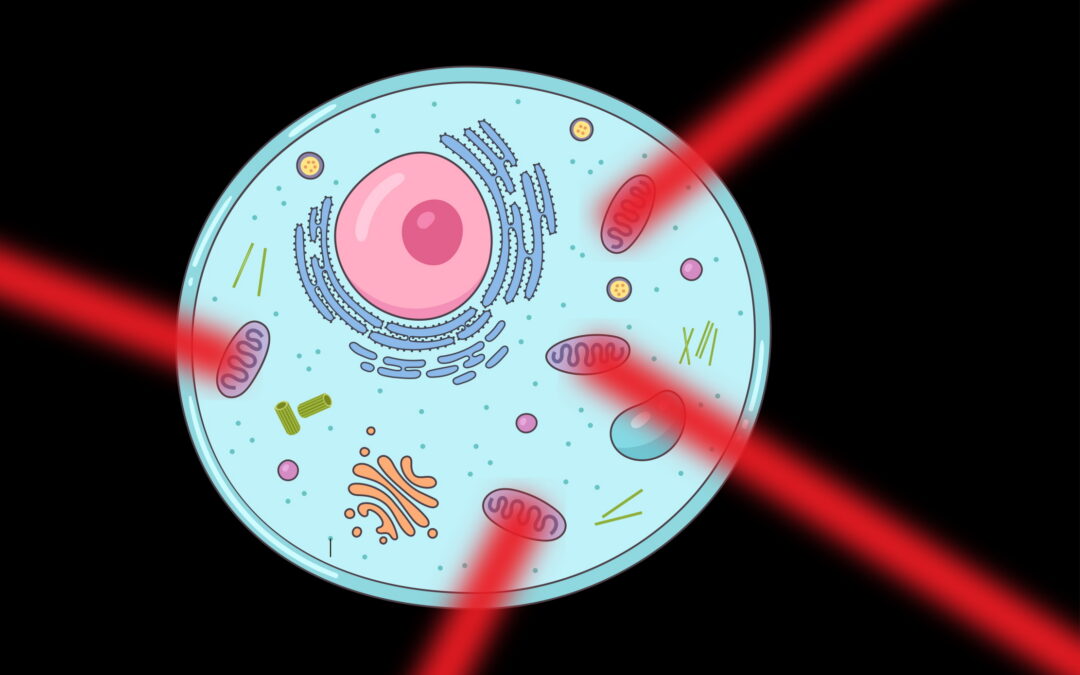
Dr Liisa Laakso | A Ray of Hope for Mitochondrial Disease
MELAS is one of a number of rare genetic conditions in which a person’s cells struggle to make enough energy. As a result, people with MELAS often face extreme fatigue, muscle weakness, strokes, and a host of other symptoms. There is no cure yet, and treatments focus on managing problems as they show up. Now, Dr Liisa Laakso and her colleagues at the Mater Research Institute-University of Queensland are exploring a non-drug approach that could support the body’s cells themselves.
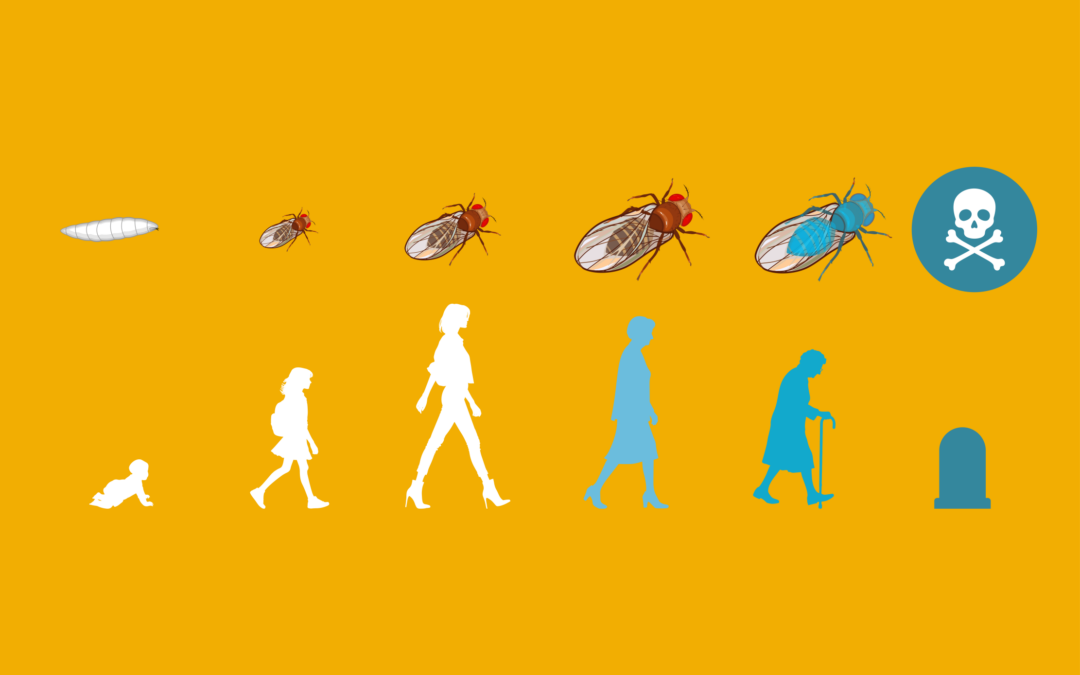
Dr Michael Rera | Smurf and Death: Understanding the Phasing of Aging
Aging is one of biology’s most universal and mysterious processes. Most living organisms age, although in different ways, yet scientists still don’t fully understand how or why it happens the way it does. Over time, cells accumulate damage and wear down, tissues become less efficient, and the body becomes more vulnerable to diseases and death. But is aging a progressive decline towards death, or does it occur in distinct, identifiable phases? To investigate this, Dr Michael Rera and colleagues at Paris Cité University have been studying aging in model organisms, including the fruit fly Drosophila melanogaster.
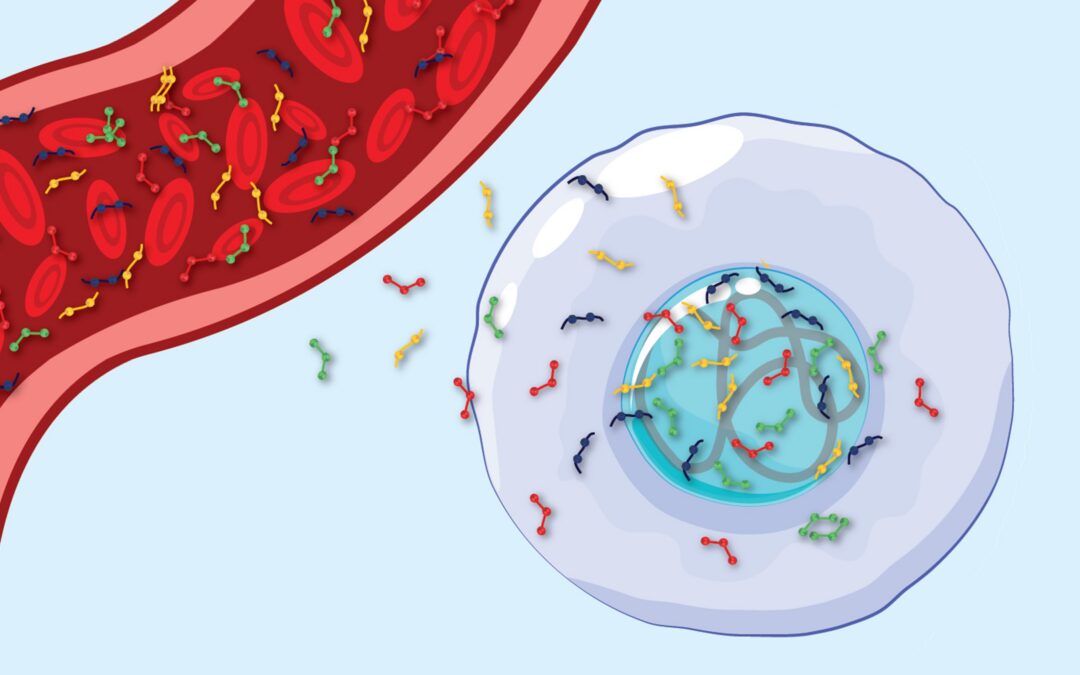
Professor Indraneel Mittra | Horizontally Transferred Cell-Free Chromatin Particles: A New Frontier in Mammalian Genomics
Professor Indraneel Mittra and his research team at the Advanced Centre for Treatment, Research & Education in Cancer, Mumbai, has discovered a surprising role for cell-free chromatin particles, cfChPs, in mammalian cells. Their findings position cfChPs as agents of horizontal gene transfer (HGT) and drivers of evolutionary change.
About SciTube Special Editions
SciTube Special Editions bring together published research animations around shared themes, creating additional opportunities for discovery, accessibility and dissemination.

How to Cite
Guidance for referencing and citing SciTube research animations.

Editorial Standards
Learn about SciTube’s editorial process, research accuracy and publishing standards.

Publication & Access
Information about publication, accessibility, licensing and dissemination.
Stay Up To Date With SciTube